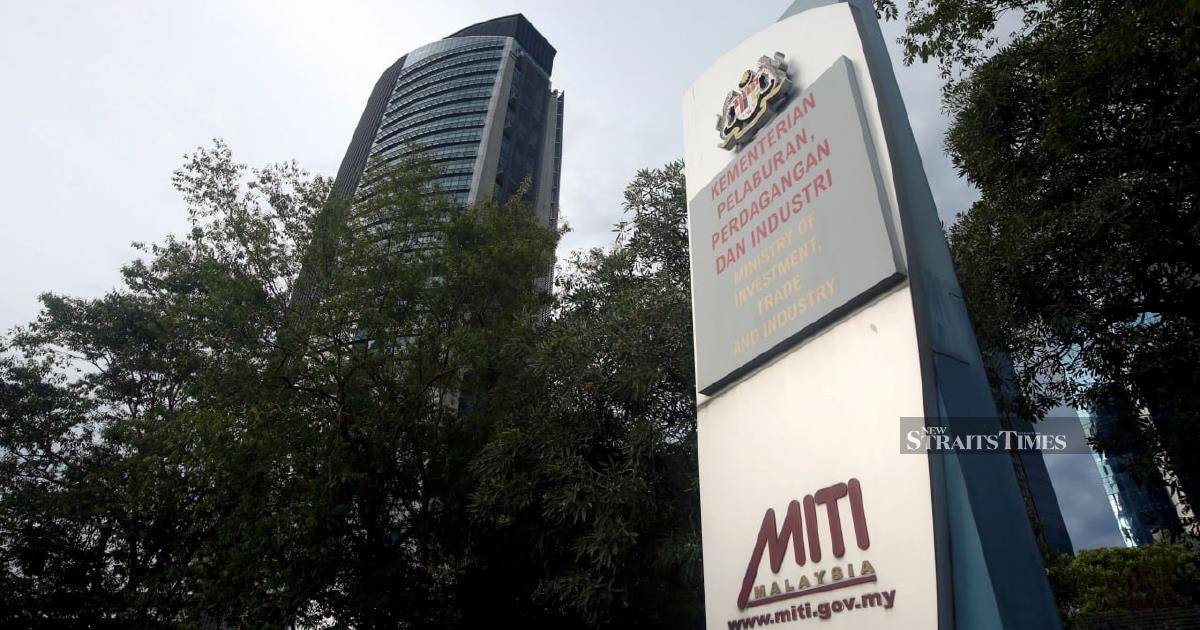
Malaysia's decision to launch an anti-dumping investigation into specific categories of coated steel arriving from China, Chinese Taipei and Vietnam signals a renewed focus on protecting domestic steel manufacturers from what the authorities view as unfair pricing practices. The dual investigation and tariff review underscores the challenges facing local steelmakers, who contend they face increasing competition from below-cost imports that undercut domestic production and threaten manufacturing jobs across the region.
The investigation targets coated steel imports specifically, a product category that ranges from prepainted coil to various surface-treated variants used extensively in construction, automotive and consumer appliance manufacturing. These materials form a critical part of Malaysia's downstream metal-processing supply chain, supporting thousands of workers in fabrication, construction and related industries throughout the country.
Simultaneously, Malaysia's trade authorities are reviewing the expiry of existing duties on prepainted steel coil imports from China and Vietnam. Such expiry reviews are routine trade procedures designed to determine whether protective measures remain justified or should be withdrawn once their initial period concludes. The timing of both proceedings suggests escalating concerns within Malaysia's steel sector regarding sustained pricing pressure from regional suppliers.
China remains the dominant regional steel producer and exporter, capable of flooding markets with high-volume shipments that frequently attract anti-dumping scrutiny from trading partners throughout Asia. The involvement of Chinese Taipei and Vietnam in this investigation reflects the distributed nature of Asia's steel supply chains, where production capacity spans multiple nations and increasingly overlaps with Chinese manufacturing networks.
Anti-dumping investigations typically examine whether imported products are being offered at prices significantly below those in their home markets or below their actual production costs. If Malaysia's authorities determine that dumping has occurred, they may recommend duties designed to raise import prices to fair-market levels, protecting domestic producers while potentially raising costs for downstream manufacturers relying on imported steel inputs.
The broader regional context matters considerably for Malaysia's steel sector. Vietnam's emergence as a major steel exporter has intensified competition throughout Southeast Asia, while China's periodic export surges—often driven by domestic overproduction and limited domestic demand—create pricing pressures that ripple across the region's supply chains. Thailand, Indonesia and the Philippines have similarly grappled with steel dumping complaints in recent years, suggesting this represents a persistent challenge for Southeast Asian governments attempting to balance free trade principles with the need to maintain viable domestic manufacturing capacity.
For Malaysian manufacturers relying on imported steel inputs, these investigations carry significant implications. If substantial duties are implemented, input costs for construction companies, automotive suppliers and consumer goods manufacturers could increase substantially. Conversely, if existing duties are allowed to expire without replacement, domestic steelmakers may face intensified competitive pressure that could result in capacity reductions, facility closures or workforce adjustments.
Malaysia's steel industry has historically sought government support through tariff protection and antidumping measures, reflecting the sector's strategic importance for national manufacturing competitiveness. However, the downstream industries consuming steel imports—automotive manufacturing, construction and appliance production—often oppose substantial tariff increases that raise their production costs and potentially reduce competitiveness in export markets. This fundamental tension between protecting primary steel producers and maintaining cost advantages for downstream manufacturers complicates trade policy decisions.
The investigation process itself typically extends over several months, during which Malaysian authorities gather evidence, consult with affected industries and trading partners, and conduct economic analysis regarding the impact of potentially recommended duties. Chinese, Taiwanese and Vietnamese exporters will likely submit their own evidence countering dumping allegations and arguing for trade liberalisation, particularly given the competitive relationships among these three major regional suppliers.
These proceedings also reflect Malaysia's commitment to rules-based international trade mechanisms, as anti-dumping investigations must comply with World Trade Organization frameworks and procedures. Such compliance ensures that any duties recommended are defensible under international law and consistent with Malaysia's commitments to trading partners, though WTO-compliant measures may still face diplomatic challenges or potential retaliation.
The outcome of these investigations will influence not only Malaysia's steel import regime but potentially broader regional steel trade patterns. Other Southeast Asian nations watching these proceedings may view them as precedent-setting, potentially influencing how Thailand, Indonesia and the Philippines approach their own steel trade disputes with the same three source countries.
For Malaysian consumers, businesses and workers, the results carry tangible implications. Construction projects, automotive manufacturing operations and consumer appliance production could face higher material costs if substantial duties are implemented, potentially affecting prices for vehicles, housing and household goods throughout the economy. Balancing these consumer interests against the needs of domestic steelmakers represents the core challenge facing Malaysian trade policymakers navigating this investigation.

