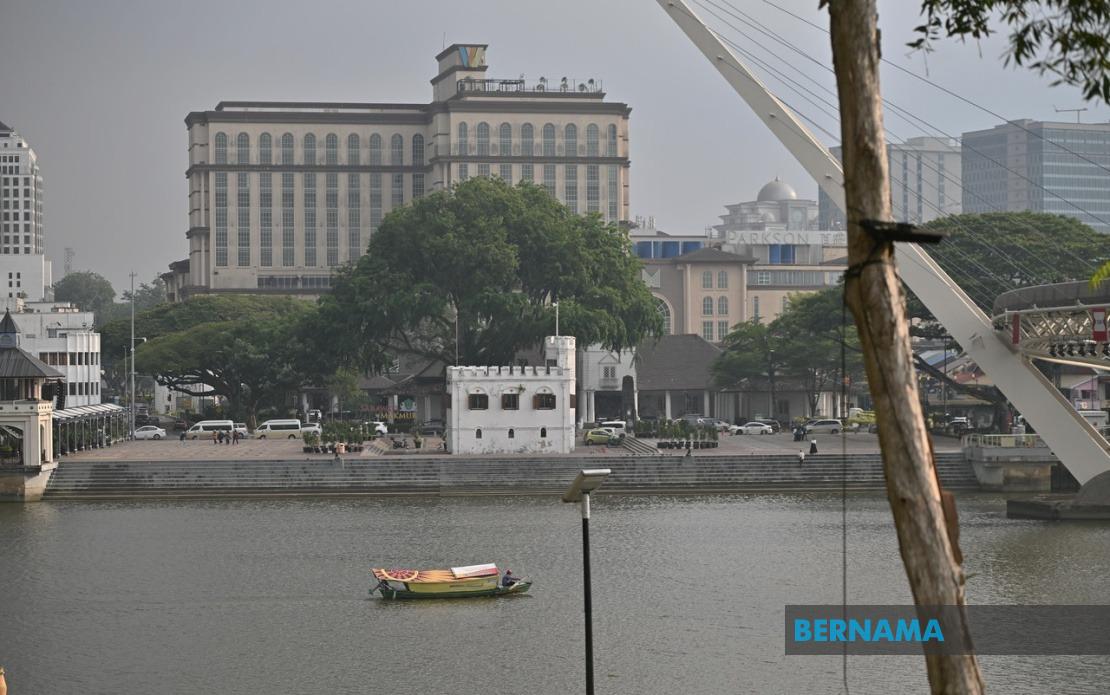
Tan Sri Lee Lam Thye, chairman of the Alliance for a Safe Community, has issued a stark warning that Malaysia must fundamentally shift its approach to tackling transboundary haze, moving away from crisis management toward sustained prevention. Speaking in light of recent air quality deterioration across several Malaysian regions, Lee underscored the need for the government to act with foresight rather than scramble to respond once pollution levels spike. His intervention comes as six schools in Tebedu, Sarawak, were forced to close after Air Pollutant Index readings surpassed 200, triggering immediate health and safety concerns among residents and educational authorities.
The pattern is dismally familiar to Malaysians. Seasonal haze episodes have plagued the region for decades, yet each recurrence finds the nation insufficiently prepared despite repeated promises of readiness. Lee's intervention represents a broader frustration that institutional memory and past lessons have not translated into systemic change. The current situation demands special attention because Sarawak's geographical and climatic conditions create particularly volatile circumstances. Prolonged hot and dry weather accelerates fire spread across vast forestland, while wind patterns readily transport smoke and particulate matter across international boundaries, making the state especially vulnerable to both internal fires and external pollution sources.
To address this structural weakness, Lee proposed a five-point strategy grounded in active prevention rather than passive endurance. The foundation rests on fully activating the National Haze Action Plan as soon as early warning indicators signal rising risk, rather than waiting for air quality indices to reach dangerous thresholds. This requires strengthening real-time monitoring of fire hotspots, weather patterns, wind direction trajectories, and atmospheric conditions. Enhanced surveillance systems would enable authorities to intervene at the earliest stages when preventive action remains feasible and cost-effective, before situations deteriorate into public health emergencies.
Regional cooperation represents the second pillar of Lee's framework. Malaysia and its ASEAN neighbours ratified the ASEAN Agreement on Transboundary Haze Pollution in 2015, establishing a formal mechanism for coordinated action. However, Lee emphasized that the existence of international agreements means little without robust implementation and rapid ground-level responses. Cross-border haze represents a collective action problem where individual countries benefit from inaction unless mutual accountability mechanisms function effectively. The region requires not merely diplomatic protocols but concrete coordination between Indonesian provincial governments, Malaysian state authorities, and ASEAN secretariat bodies to monitor compliance and enforce responsive action.
Lee stressed the serious consequences of continued complacency. Transboundary haze extends far beyond environmental aesthetics or temporary inconvenience. The public health burden manifests as respiratory diseases, exacerbated asthma, and strain on healthcare systems already managing chronic patient loads. Educational disruption costs students learning time and disadvantages vulnerable populations unable to afford air filtration or relocation. Economic impacts ripple through tourism, aviation, manufacturing, and retail sectors. Insurance claims and medical expenses accumulate. These costs dwarf the investment required for preventive infrastructure and monitoring systems, yet governments often discount future expenses against immediate budget constraints.
Crucially, Lee rejected the tendency to blame only Indonesia for transboundary pollution. Domestic contributors within Malaysia—including illegal open burning, uncontrolled peat fires, agricultural land clearing, and poorly managed development projects—substantially degrade air quality and complicate the regional picture. Taking responsibility for Malaysia's internal sources strengthens the nation's moral and diplomatic standing when negotiating stricter implementation with neighbouring countries. This balanced approach prevents Malaysia from appearing hypocritical while addressing genuine domestic pollution sources that authorities can directly control through enforcement and regulation.
Public readiness forms another essential component of Lee's framework. Schools, hospitals, medical clinics, and workplaces require clearly documented protocols specifying when operations adjust or cease due to hazardous air quality. Healthcare facilities must have adequate supplies of respiratory medications and equipment. The public deserves timely, accurate air quality information delivered through multiple channels, enabling families to make informed decisions about outdoor activities and vulnerable members' health management. Effective communication prevents panic while ensuring people understand the genuine threat level and take appropriate precautions.
Fundamentally, Lee called for a profound shift in national consciousness regarding haze. Current discourse treats transboundary pollution as an annual seasonal nuisance—inevitable, temporary, and essentially tolerable. This framing obscures the reality that recurrent haze episodes constitute recurring disaster risks demanding continuous prevention, preparedness, and cooperation throughout the calendar year. Treating haze as seasonal rather than chronic misallocates resources and permits complacency to flourish during perceived "off-season" months when fires germinate and conditions develop.
Lee advocated for maximum utilization of ASEAN's early-warning systems, emphasizing that indicators must trigger immediate preventive action rather than serving as background information. Prevention demonstrates dramatically superior cost-benefit analysis compared to managing crises after atmospheric conditions deteriorate. Treating hazardous air as inevitable invites resignation; recognizing it as preventable through coordinated action invites responsibility and change. For Malaysian readers, Lee's appeal resonates particularly given this nation's geographic position within Southeast Asia's haze belt and its vulnerable populations in Peninsular Malaysia and Sarawak. The message is unambiguous: reactive approaches have consistently failed; only proactive, sustained, regionally coordinated prevention offers genuine protection for public health, economic stability, and social wellbeing.

