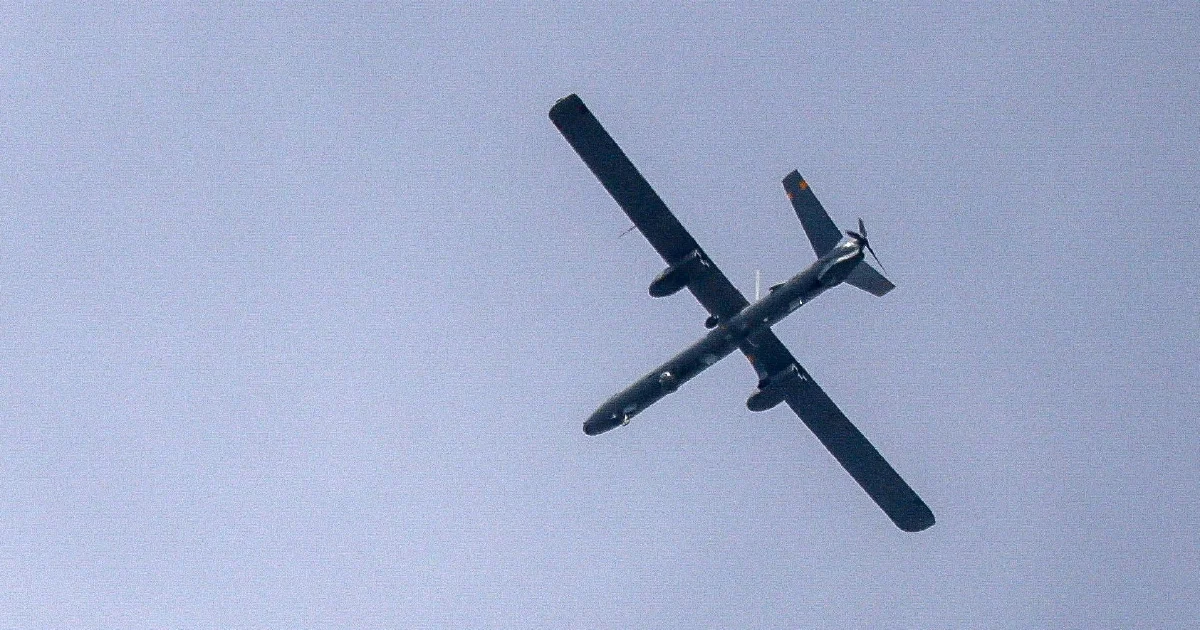
Prime Minister Datuk Seri Anwar Ibrahim has underscored the critical need for Malaysia to move swiftly in embracing drone technology and other emerging innovations, positioning unmanned aerial vehicles as central to the country's long-term economic competitiveness. Speaking at Sepang, Anwar emphasised that deliberate acceleration in the adoption of these advanced technologies is essential if Malaysia is to maintain and strengthen its standing in an increasingly digitalised global marketplace.
The Premier's intervention reflects growing international recognition that nations falling behind in technological adoption risk economic marginalisation. Unmanned aerial vehicles—encompassing everything from commercial delivery drones to industrial surveying equipment—represent a multi-billion dollar global sector experiencing explosive growth. Malaysia, with its established manufacturing base and strategic geographical position in Southeast Asia, stands to benefit substantially from capturing a larger share of this expanding market.
The drone industry carries particular significance for Malaysia because it aligns with several strategic economic priorities. First, it offers opportunities for manufacturing and assembly operations that can generate high-value employment. Second, the technology has applications across agriculture, infrastructure inspection, disaster management, and logistics—sectors where Malaysia either has existing strengths or faces pressing development challenges. Third, developing domestic UAV capabilities creates potential for export opportunities throughout Southeast Asia and beyond.
Currently, Malaysia's position in the global drone ecosystem remains underdeveloped relative to competitors like Singapore and Thailand. While the regulatory framework exists, implementation has lagged and private sector investment remains modest. The absence of a coherent national strategy has allowed other regional players to establish themselves more firmly in manufacturing, research, and application development. Anwar's statements suggest recognition that this gap must be closed urgently to prevent Malaysia from becoming merely a consumer of drone technology rather than an innovator and producer.
The challenge extends beyond simple technology transfer or procurement. Effective drone sector development requires substantial investment in research and development, technical workforce training, and supportive regulatory architecture. Universities and research institutions must establish centres of excellence in UAV design and engineering. Manufacturing hubs equipped with appropriate facilities and expertise need establishment. Venture capital and government funding mechanisms should be streamlined to support local startups developing drone applications and services.
Regional context adds urgency to Anwar's push. Singapore has already consolidated leadership in drone research and commercialisation through substantial government backing and favourable regulatory conditions. Thailand has similarly invested strategically in agricultural and industrial applications. Indonesia, despite challenges, has explored drone deployment in monitoring vast territorial areas. Without decisive action, Malaysia risks ceding opportunities that align with its economic development goals and broader digital transformation agenda.
The drone sector also intersects with Malaysia's pursuit of Industry 4.0 and digital economy objectives outlined in long-term development plans. As manufacturing becomes increasingly automated and data-driven, the ability to conduct remote sensing, monitoring, and asset management through UAVs becomes progressively valuable. Sectors from palm oil production to urban planning can benefit from drone-derived intelligence. Companies operating within Malaysia that master these technologies early gain competitive advantage in accessing international markets and positioning themselves as regional leaders.
Government catalysts will prove essential to accelerating adoption. This includes regulatory clarity regarding airspace usage, operational licensing, safety standards, and data management. Public procurement policies that prioritise locally-developed solutions can create stable demand for domestic producers. Special economic zones or innovation parks specifically designated for drone industry clustering could attract manufacturers and entrepreneurs seeking to establish operations in Southeast Asia. Tax incentives and research grants targeted at drone technology companies would signal government commitment to sector development.
The human capital dimension should not be overlooked. Malaysia's relatively young population and existing engineering competency provide foundation for developing drone technology workforce. However, specialised training in UAV systems, programming, data analysis, and maintenance must be systematically developed through vocational institutes, polytechnics, and universities. Partnerships with leading international drone manufacturers could facilitate technology transfer and skills development.
Implementation will test policy coordination across multiple agencies. The Transport Ministry, Civil Aviation Authority, Defence Ministry, Communications and Multimedia Ministry, and Science Ministry all have relevant responsibilities. Creating unified oversight that removes regulatory obstacles while maintaining necessary safety and security standards requires institutional coordination that has historically challenged Malaysian policymaking. Clarity on which agency leads the national drone strategy remains important for ensuring consistent implementation.
For Malaysian businesses, Anwar's emphasis signals that the government views drone technology as a priority investment area. Companies in agriculture, logistics, infrastructure, and related sectors should evaluate how UAV applications could enhance operations or create new service offerings. Entrepreneurs considering technology ventures should recognise government willingness to support drone sector development, though concrete fiscal and regulatory incentives require official announcement and implementation.
The broader message from the Prime Minister reflects global economic reality: nations that successfully navigate technological transitions build prosperity; those that delay face stagnation. Malaysia's window for establishing meaningful drone sector presence remains open but is closing. Neighbouring competitors are advancing steadily. Anwar's call for acceleration represents acknowledgement that incremental progress proves insufficient and that comprehensive, government-backed strategy must accompany private sector dynamism to position Malaysia as a regional drone technology leader rather than perpetual follower.

