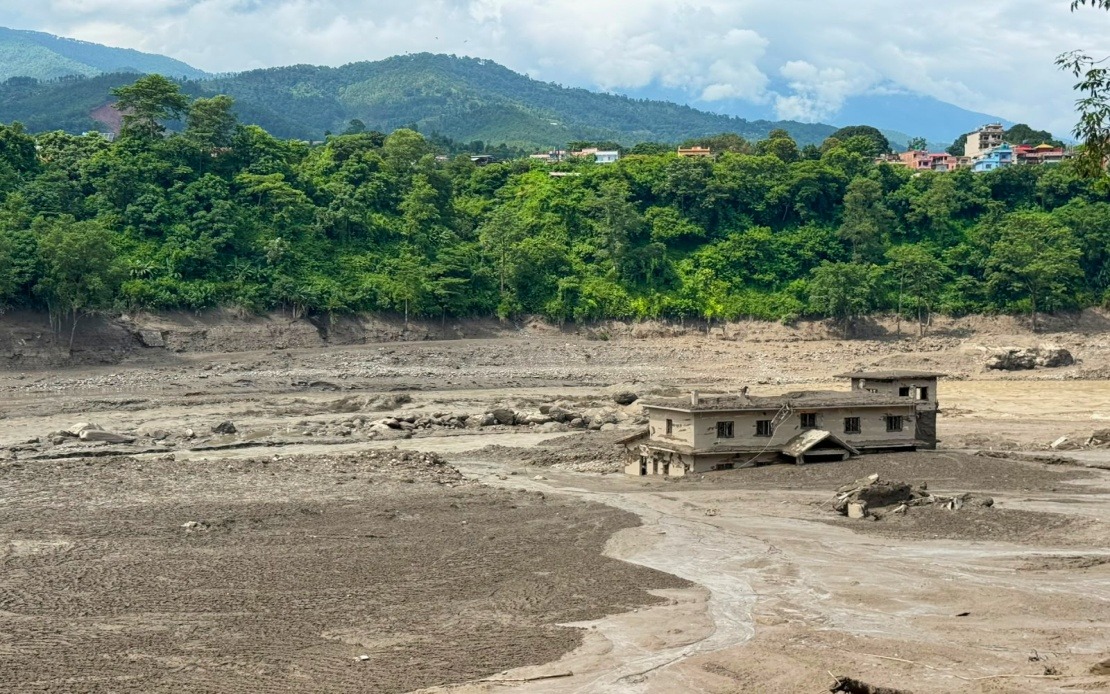
Prime Minister Datuk Seri Anwar Ibrahim has declared the safety of 54 unaccounted Malaysian nationals a top priority following catastrophic flash floods that swept through Rasuwa district in Nepal. The premier conveyed his concern and sadness on Wednesday, August 27, noting that the MADANI Government through its Foreign Ministry remains actively engaged in locating the missing citizens and assessing their welfare. The coordinated response signals the urgency with which Kuala Lumpur is treating the humanitarian crisis unfolding in the mountainous Nepal-Tibet border region.
The search and coordination effort extends beyond Malaysia's diplomatic presence in Nepal itself. The Malaysian Embassy in Kathmandu is working in direct collaboration with Nepalese authorities and domestic agencies to piece together the situation on the ground. Recognising the complexity of cross-border emergency operations, the Foreign Ministry has also deployed officers from the Malaysian High Commission in Dhaka, Bangladesh, to bolster communication channels and strengthen overall coordination capacity. This multi-location approach reflects the logistical challenges posed by the disaster's remote location and the resulting breakdown in infrastructure that has hampered information flow and rescue operations.
The natural disaster that triggered this crisis originated from extreme weather conditions in the high-altitude region. Heavy rainfall combined with glacier landslides along the Bhote Koshi River created the flash flood conditions that inundated the area on August 26. The combination of geological instability and meteorological intensity demonstrates the unique environmental hazards facing trekkers and tourists in the Himalayan region, where the convergence of multiple risk factors can rapidly escalate into life-threatening situations. Climate-related disasters in Nepal have become increasingly frequent, placing heightened responsibility on governments to maintain readiness for such emergencies.
The physical devastation wrought by the floods has severely constrained rescue and relief operations. Communication infrastructure connecting the affected zone to Kathmandu has been compromised, creating an information vacuum that complicates efforts to verify the status of stranded individuals. The primary road linking Rasuwa district to the capital has been severed, forcing any rescue teams and humanitarian assistance to navigate difficult alternative routes or rely on helicopter operations dependent on weather conditions. This infrastructure breakdown particularly impacts foreign nationals who may lack knowledge of local terrain and whose contacts at home become increasingly anxious as hours pass without communication.
Anwar's public acknowledgment of the crisis reflects both the diplomatic sensitivity surrounding Malaysian citizens abroad and the government's commitment to transparent crisis communication. By announcing the specific number of uncontactable nationals and the coordinated response, the Prime Minister provided both reassurance to families of those missing and clarity on government action. His call for collective prayer, invoking Islamic tradition through the phrase "Insya-Allah," also resonated with Malaysia's Muslim-majority population while appealing to humanitarian sentiment across religious communities.
The incident underscores recurring challenges faced by Malaysian adventure tourists and trekkers in high-altitude destinations across South and Central Asia. Rasuwa district, positioned along popular trekking routes including the Langtang Valley trek, attracts numerous international visitors seeking mountainous terrain and cultural experiences. The 54 missing Malaysians likely represent a mix of independent travellers, organised tour groups, and possibly adventure enthusiasts, highlighting how tourism can quickly transition from recreational activity to emergency response scenario when natural disasters strike. Tour operators and travel agencies serving the Malaysian market face renewed pressure to enhance safety protocols and disaster preparedness.
The Nepalese government's capacity to respond to such emergencies also comes into focus during crises of this magnitude. As a developing nation with limited resources, Nepal frequently relies on international assistance during major disasters. The coordination between Malaysian diplomatic missions and Nepalese authorities demonstrates how bilateral relationships facilitate faster information sharing and resource mobilisation during emergencies. Regional cooperation mechanisms, though not explicitly invoked in official statements, provide additional channels through which Southeast Asian nations can support each other's citizens during cross-border disasters.
For Malaysian families awaiting news, the government's stated commitment to active pursuit of information and rescue operations represents both reassurance and acknowledgment of uncertainty. The phrase "uncontactable" carries particular weight in modern contexts, where inability to reach someone via phone or internet often presages serious circumstances rather than mere inconvenience. The Foreign Ministry's ongoing monitoring and information-gathering thus serves dual purposes: substantive emergency response and psychological support to anxious relatives tracking developments through media reports and official statements.
The incident also raises questions about risk communication and travel advisory frameworks. Malaysian authorities maintain travel advisories for Nepal, yet adventure tourism to the country continues at significant levels. While discouraging travel to genuinely dangerous zones remains appropriate, the reality of climate-driven natural disasters suggests that even relatively safe destinations carry heightened risk during certain seasons. Travellers must balance desire for authentic cultural experiences and challenging terrain against statistical likelihood of encountering weather-related hazards, a calculus that many consider worth taking despite inherent risks.
As rescue operations continue in the challenging Himalayan environment, the case exemplifies broader trends of increasing climate vulnerability in mountain regions globally. Nepal's steep topography, combined with glacial melt and intensifying monsoon patterns, creates a particularly hazardous context for both residents and visitors. The Malaysian government's proactive engagement with this crisis sets a precedent for how Kuala Lumpur approaches emergencies involving nationals abroad, potentially influencing future protocols and resource allocation for similar situations. The outcome of search and rescue efforts will likely inform post-disaster reviews of tourism safety frameworks and international emergency coordination procedures throughout the region.

