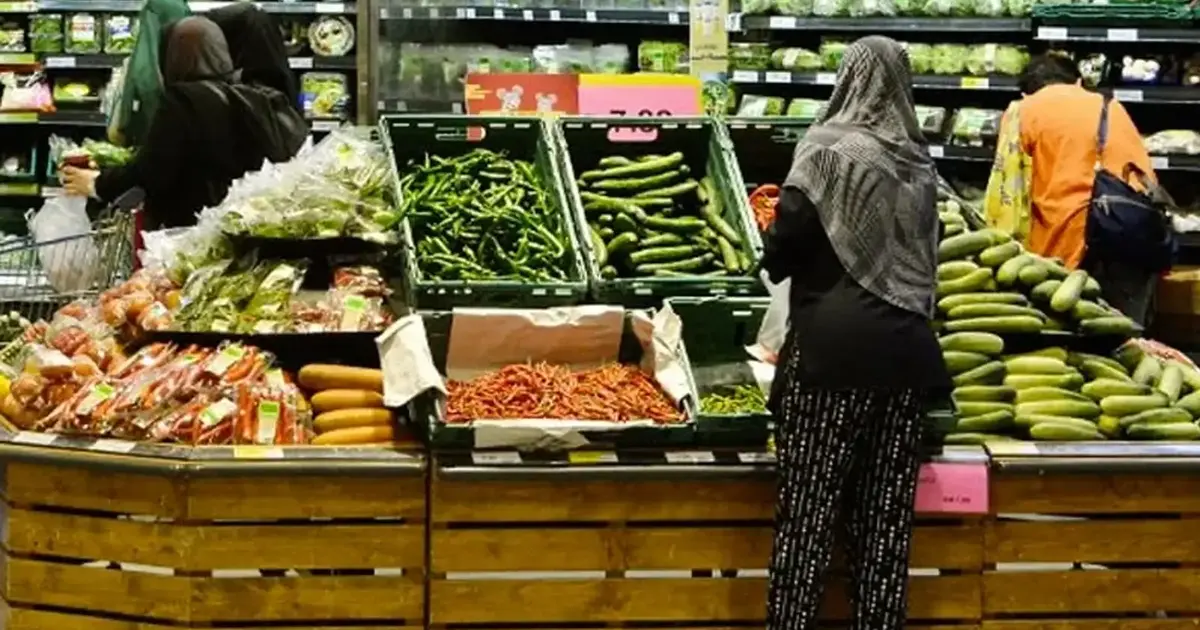
Deputy Prime Minister Ahmad Zahid Hamidi has indicated that Malaysia may expand its SARA food assistance programme to include fresh vegetables and fruits, a move that would represent a significant broadening of a scheme originally designed to address affordability pressures on staple proteins. The proposal is being channelled through the National Action Council on Cost of Living, the cabinet-level body responsible for evaluating and implementing measures to ease household purchasing power across the nation.
The SARA scheme, which stands as one of the government's flagship cost-of-living interventions, has traditionally concentrated on subsidising chicken, eggs, and cooking oil for lower-income households. By extending coverage to fresh produce, the administration would be responding to mounting concerns about vegetable and fruit prices, which have climbed substantially in recent months due to seasonal supply constraints, weather disruptions, and logistics challenges affecting domestic and imported agricultural products.
Addressing food inflation through such mechanisms reflects the government's acknowledgement that Malaysian households continue to face squeeze on groceries despite earlier intervention programmes. Vegetables and fruits constitute essential components of dietary intake, and their elevated retail prices have forced many families to reduce consumption or substitute with lower-cost alternatives. For those on fixed or modest incomes, the cost barrier to accessing adequate nutrition has become acute, particularly in urban centres where supply chains and retail markups drive prices higher.
The rationale behind potentially incorporating fresh produce into SARA aligns with broader Southeast Asian trends toward comprehensive food security measures. Thailand, Indonesia, and the Philippines have similarly implemented or expanded programmes targeting vegetable and fruit accessibility, recognising that piecemeal subsidy structures leave critical gaps in household nutrition expenditure. Malaysia's consideration of this expansion positions the country within a regional policy conversation about how governments can most effectively insulate vulnerable populations from agricultural commodity volatility.
Implementing such an expansion presents substantial logistical and budgetary considerations. Unlike cooking oil or frozen chicken, fresh produce demands cold chain infrastructure, shorter distribution windows, and coordination with numerous smallholder farmers and wholesalers across the country. The Ministry of Domestic Trade and Cost of Living would need to establish procurement protocols ensuring quality, freshness, and equitable geographic distribution, particularly to rural and remote areas where agricultural accessibility remains uneven. These operational complexities explain why governments often prioritise non-perishable items in subsidy schemes.
Financial implications of broadening SARA warrant careful assessment. While direct subsidy costs depend on pricing architecture and coverage thresholds, expanding the programme inevitably increases fiscal obligations during a period when the government navigates substantial budget constraints and competing expenditure priorities. Officials would need to determine whether additional funding emerges through reallocation, efficiency gains elsewhere, or new revenue measures. Public debate around programme expansion typically incorporates these budget trade-offs, as expanding one subsidy can imply scaling back others or deferring infrastructure investments.
The decision to channel this proposal through the National Action Council rather than announcing unilateral implementation suggests the government intends methodical evaluation. The council typically convenes ministers from relevant portfolios—finance, agriculture, domestic trade, and welfare—to weigh competing considerations before cabinet endorsement. This deliberative process allows stakeholders including farmer representatives, retailers, consumer groups, and fiscal authorities to input perspectives, potentially refining the proposal's structure before formal rollout.
From a political economy perspective, expanding visible consumer assistance measures during an election cycle carries strategic weight. Households observe daily price fluctuations at markets and supermarkets, making food cost transparency politically salient. Subsidy expansions generate tangible relief that voters directly experience, contrasting with macroeconomic reforms or infrastructure investments whose benefits accumulate gradually. Ahmad Zahid Hamidi's public signalling of this proposal thus serves both genuine policy development and political positioning purposes.
Regional observers note that Malaysia's evolving subsidy architecture reflects wider pressures facing middle-income Southeast Asian economies balancing inflation control, fiscal sustainability, and social stability. As food commodity prices remain vulnerable to global market shocks and climate volatility, governments increasingly view targeted assistance as preferable to allowing household food insecurity to deteriorate. However, economists caution that subsidy expansion without corresponding supply-side reforms—investment in agricultural productivity, distribution efficiency, and market modernisation—risks creating artificial price distortions that ultimately constrain long-term agricultural competitiveness.
If approved and implemented, expansion of SARA to vegetables and fruits would signal the government's prioritisation of nutrition-focused intervention over narrower commodity approaches. Success would depend substantially on programme design, determining which produce qualifies for support, at what price levels subsidies activate, and how beneficiary eligibility is verified and administered. Preliminary analysis suggests starting with high-volume, shelf-stable items like potatoes, onions, and cabbages, potentially expanding to seasonal fruits based on supply availability and cost patterns.
The proposal's progression through the National Action Council over coming weeks will reveal government commitment levels and the council's assessment of implementation feasibility. Malaysian households watching food price trends closely will view this discussion as a barometer of official responsiveness to their cost-of-living concerns, making the timing and execution of any final decision politically consequential for the administration's standing among middle and lower-income voters.

