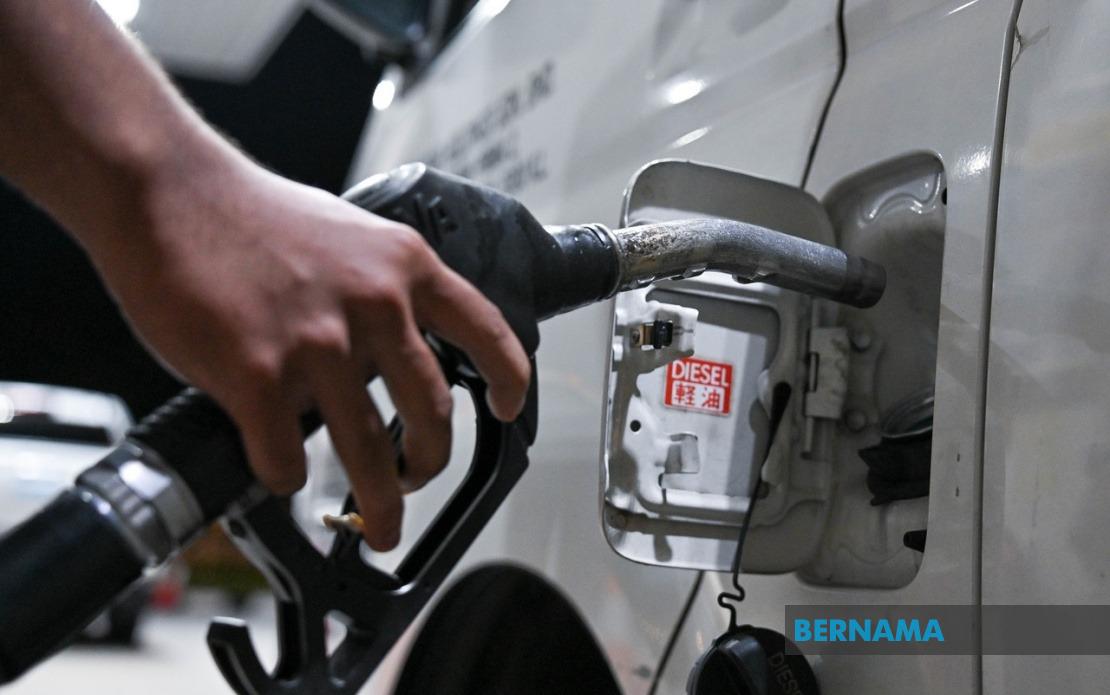
The Ministry of Domestic Trade and Cost of Living has dismantled long-standing restrictions on diesel sales to commercial transport operators across three Malaysian jurisdictions, representing a significant shift in fuel management policy. Effective from July 1, petrol station operators in Sabah, Sarawak, and the Federal Territory of Labuan will no longer enforce purchase caps that previously limited individual transactions to 50, 100, or 150 litres. The directive, originally issued on March 27, 2026, imposed quantity constraints intended to regulate fuel distribution, but authorities now view these limitations as unnecessary given new safeguards in place.
The policy reversal follows Prime Minister Datuk Seri Anwar Ibrahim's June 21 announcement establishing uniform pricing for subsidised diesel across the nation under the BUDI Diesel Programme, set at RM2.10 per litre. This standardisation eliminated price variations that previously existed between states, creating a more equitable system for consumers and reducing the incentive for cross-border fuel purchasing that necessitated quantity controls. By harmonising prices, the government has essentially removed the economic pressure that drove the original restrictions, making point-of-sale limits less critical for demand management.
The lifting of these caps represents one component of a broader modernisation strategy encompassing multiple supply-chain improvements. Datuk Azman Adam, Director-General of Enforcement at KPDN, emphasised that the cancellation operates in tandem with a new purchase verification system launching simultaneously. The mechanism requires customers to present their MyKad identification at service stations, creating a digital trail that enables authorities to track fuel acquisitions and prevent abuse more precisely than volume-based restrictions ever could. This shift from crude quantity controls to identification-based verification reflects evolving regulatory approaches prioritising data collection and targeted interventions over blunt sales caps.
For transport operators and commercial users, the removal of purchase limits offers practical operational flexibility previously absent. Small and medium-sized haulage companies, particularly those dependent on subsidised diesel pricing, faced logistical challenges managing fleet refuelling under the tiered restrictions. Operators running vehicles across multiple states encountered inconsistent rules, requiring separate record-keeping and careful scheduling around purchase allocations. The new system eliminates these administrative burdens while maintaining oversight through the MyKad verification framework, theoretically offering operators greater autonomy without sacrificing supervisory capability.
Malaysia's eastern states, which includes the oil-rich regions of Sabah and Sarawak, have particular interest in fuel policy mechanics. These jurisdictions produce substantial petroleum resources yet experienced the same subsidised pricing framework as peninsular states. The purchase restrictions had created friction with local stakeholders who questioned whether quantity caps were proportionate to regional circumstances. By removing these limitations, the government acknowledges regional concerns whilst simultaneously introducing monitoring mechanisms that provide data previously unavailable, potentially enabling future policies more precisely calibrated to actual consumption patterns and abuse indicators.
The transition to identification-based purchasing introduces potential implementation challenges that authorities must navigate carefully. Service station staff require training on the MyKad verification protocol, compliance monitoring systems must function reliably across thousands of retail locations, and data privacy safeguards must reassure the public that fuel purchasing records are handled appropriately. Any technical failures in the verification system could temporarily revert the market to an unregulated state, necessitating robust contingency planning. KPDN's confidence in the new mechanism's effectiveness depends entirely on flawless execution across retail networks spanning three geographically dispersed regions with varying technological infrastructure.
From a Southeast Asian perspective, Malaysia's approach to fuel subsidy management reflects broader regional trends toward technology-enabled targeting rather than universal price controls. Indonesia, the Philippines, and Thailand have explored similar transitions, attempting to shift from across-the-board subsidies toward verified recipient systems. Malaysia's experience with the MyKad-based diesel system will likely attract regional policy attention, particularly as neighbouring governments evaluate methods for reducing fiscal subsidy burdens whilst maintaining affordability for transport sectors essential to economic functionality. Success or failure here carries implications extending beyond Malaysian borders.
The policy change simultaneously addresses concerns that restrictive purchase caps distorted market behaviour in unintended ways. Operators facing quantity limits sometimes resorted to splitting transactions across multiple visits, creating artificial congestion at service stations and inefficient resource allocation. Smaller retailers reported pressure to process elevated transaction volumes to accommodate fragmented purchases, increasing operational costs that ultimately pressurised margins. By eliminating these constraints, fuel distribution theoretically becomes more efficient, reducing system-wide transaction costs that indirectly subsidised transport operators through infrastructure strain elsewhere in the value chain.
Officials expect that targeted monitoring through MyKad verification will prove more effective than quantity-based restrictions at preventing fuel subsidy leakage to unintended beneficiaries. The previous system relied on petroleum station staff enforcing caps, creating inconsistent application and opportunities for circumvention through informal arrangements or staff oversight. Digital identification linking purchases to specific individuals creates accountability mechanisms independent of individual station operator compliance, theoretically closing loopholes that quantity restrictions left open. However, sophisticated fraud schemes, such as collusive arrangements between operators and retailers, could potentially persist despite improved oversight.
The announcement by KPDN constitutes a calculated gamble that technology-enabled precision can replace traditional supply-side controls without generating political fallout. Diesel fuel carries substantial symbolic weight in Malaysian politics, where transport operator interests command considerable attention. Any perception that subsidy accessibility declined following the policy shift could trigger backlash despite technical improvements. Authorities must therefore emphasise continuity in subsidy availability alongside the transition to new delivery mechanisms, framing the change as modernisation improving service rather than restriction reallocating benefits.
Retail petroleum operators across Sabah, Sarawak, and Labuan now bear responsibility for implementing the new framework accurately whilst managing the administrative transition from the superseded system. KPDN stressed the importance of full compliance, acknowledging that implementation quality determines whether the policy achieves intended objectives. Training, system testing, and contingency protocols require immediate attention to ensure seamless operations from July 1 onwards. Any teething problems could undermine confidence in the capacity to manage fuel subsidies through technology platforms, complicating future policy refinements that the government may contemplate as economic pressures on subsidy expenditure intensify.

