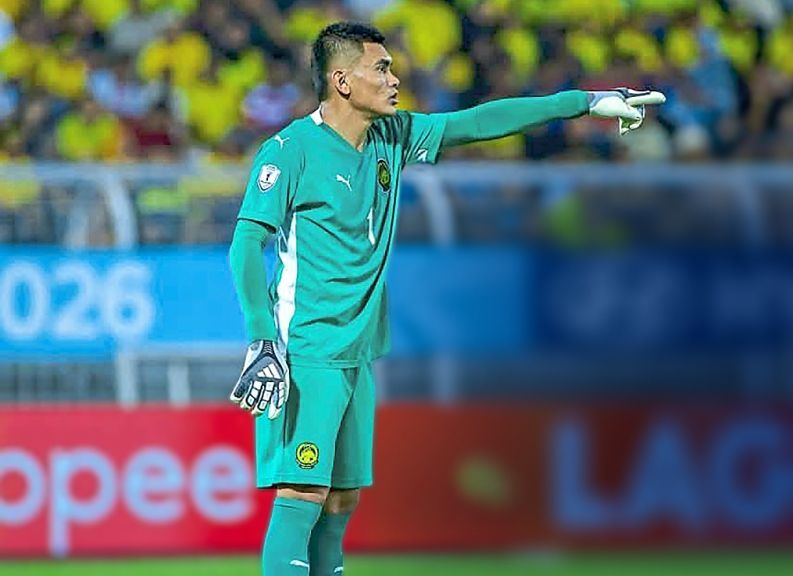
Malaysia's hopes of reaching the Hyundai AFF Cup final suffered a significant setback when they fell to a 0-2 defeat against Vietnam in the semi-final first leg at Cheras Football Stadium on Sunday, August 16. The loss leaves interim coach Tan Cheng Hoe's squad with a monumental challenge heading into the second leg at MyDinh Stadium in Hanoi, where they must overturn a two-goal deficit against the tournament's defending champions.
The match unfolded disastrously from the outset for the home side, as early injuries disrupted Malaysia's defensive setup. Within the opening quarter-hour, centreback Rodney Celvin Akwensivie was forced from the field due to injury, necessitating the introduction of young replacement Aysar Hadi Sapri into what would prove a testing encounter. The premature withdrawal signalled an inauspicious beginning for a team desperate to challenge Vietnam's regional dominance.
Despite the setback, Malaysia demonstrated attacking intent during the opening half and came agonisingly close to breaking the deadlock in the 34th minute. Leftback Faris Danish Asrul delivered a precisely drilled cross from the flank, which captain and striker Paulo Josue directed towards goal, only for Vietnam goalkeeper Patrick Le Giang to produce a crucial save. The reprieve lasted mere seconds, as midfielder Daryl Sham George faced an apparently straightforward opportunity to tap into an unguarded net but inexplicably skied his effort into the stands—a glaring miss that would haunt the Malaysian contingent throughout the remainder of the contest.
Vietnam capitalised on Malaysia's wasteful finishing to seize control before the interval. The visitors' opening goal came courtesy of Xuan Son, who gained an unmarked position inside the penalty area and made no mistake when wingback Truong Tien Anh delivered an inviting cross for a powerful header that left goalkeeper Le Giang helpless. This breakthrough fundamentally altered the match's complexion, shifting momentum decisively towards the Vietnamese side as they demonstrated the clinical finishing Malaysia lacked.
The second half witnessed a tactical recalibration from Malaysia, as Tan Cheng Hoe's men sought to dominate possession and manufacture attacking opportunities while Vietnam retreated into a more defensive posture, seeking to exploit spaces through counter-attacking football. The strategy showed promise initially, and Malaysia's defensive resolve was tested when referee Rustam Lutfullin issued a red card to Le Giang in the 60th minute, apparently for handball outside the penalty area. However, the Uzbekistan official's decision was overturned following a video assistant referee review, which confirmed that the goalkeeper had not employed his hands but rather cleared the ball using his feet.
Recognising that his initial selection was failing to generate sufficient attacking impetus, interim coach Tan Cheng Hoe introduced fresh personnel in an attempt to unlock Vietnam's stubborn defence. Winger Haqimi Azim Rosli and midfielder Ibrahim Manusi, the latter making his international debut, entered the fray as replacements for Mahamadou Sumareh and Syafiq Ahmad respectively. These alterations were designed to inject greater creativity and unpredictability into Malaysia's play, yet the Vietnamese backline remained resolute and impenetrable throughout the closing stages.
Vietnam struck a decisive second blow in the 86th minute when Malaysia's own errors proved catastrophic. A defensive lapse resulted in an own goal credited to Faris, a bitter conclusion that compounded the hosts' frustration and effectively ended any realistic prospect of salvaging the encounter. The goal encapsulated a match in which Malaysia's opportunities—particularly the missed chance in the first half—proved more valuable than their execution, while Vietnam's experience and composure yielded maximum reward.
The path to the final now appears treacherously steep for Malaysia, who must travel to Hanoi in need of at least two unanswered goals against opponents who have demonstrated both the defensive discipline and attacking efficiency to frustrate even the most determined opposition. Vietnam, as the defending regional champions, possess the experience, confidence, and superior head-to-head record to negotiate the return leg with relative composure, though cup competitions remain inherently unpredictable. For Malaysian football and its supporters, the narrative has shifted from optimism to desperation, requiring either a remarkable defensive masterclass to limit further damage or an improbable attacking explosion against one of Southeast Asia's strongest national teams.
The second leg in Hanoi will represent one of Malaysian football's most significant challenges in recent years, demanding not merely tactical acuity but also the kind of psychological resilience and fortune that characterises successful cup comebacks. Should Malaysia fail to progress, questions will inevitably emerge regarding squad depth, tactical flexibility, and whether interim management represents a sufficient foundation for sustained regional competitiveness.

