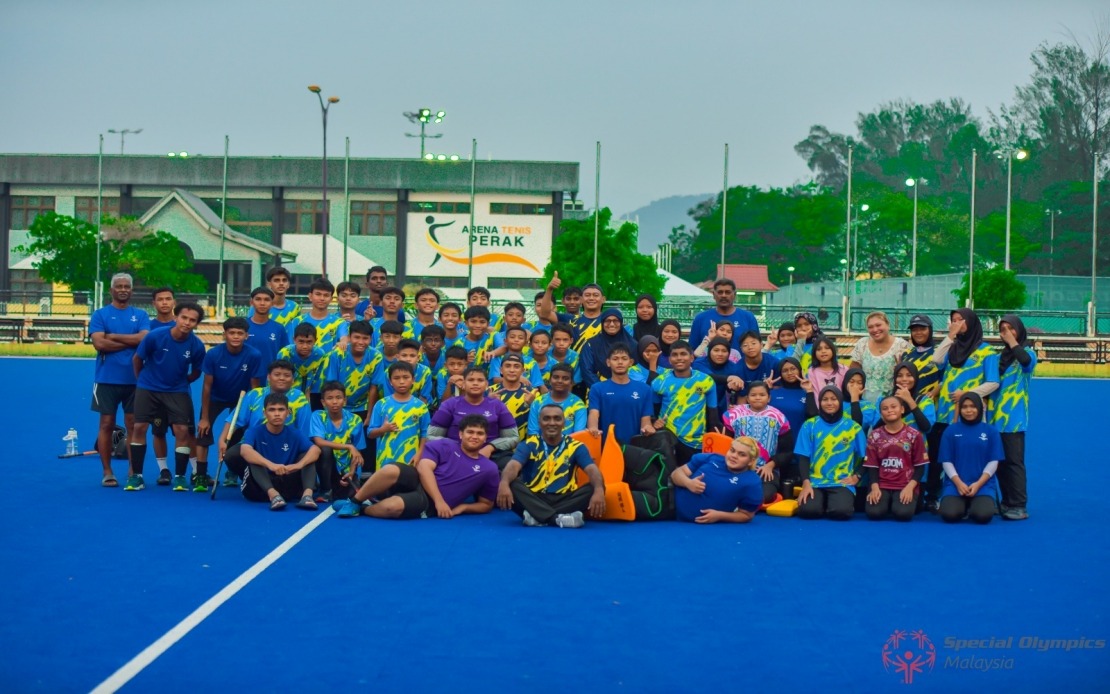
Malaysia is poised to make its competitive entry into international para ice hockey, dispatching a carefully selected 10-member delegation to compete in the inaugural FIH Para Hockey ID World Cup 2026. The tournament, scheduled for August 20 to 25, will unfold across venues in Belgium and the Netherlands, marking a significant milestone for Malaysian para-sports as the nation fields its first team in this category at the world championships. The squad comprises six male and four female athletes representing the intellectual disability division, reflecting the growing emphasis on inclusive representation within Malaysia's Olympic movement.
The player selection process began in December 2025, according to Shanker Retinam, assistant head of delegation, with candidates evaluated rigorously on performance metrics, training commitment, and disciplinary standards. This methodical approach reflects the seriousness with which Malaysian sporting authorities are treating the competition, moving beyond mere participation to fielding a genuinely competitive unit. The selected athletes have since engaged in monthly centralised training sessions conducted in Ipoh, building cohesion and tactical understanding ahead of their European campaign. Such intensive preparation schedules underscore Malaysia's determination to establish credibility within the global para hockey community from the outset.
The tournament structure itself carries considerable prestige, uniting the 16 strongest national teams in para hockey's intellectual disability classification. What elevates this event's significance for Malaysian participants is its unique co-location with the Men's and Women's Hockey World Cups at identical venues across both nations. This arrangement creates unprecedented visibility for para ice hockey on the international stage, allowing Malaysian athletes to compete within a high-profile sporting ecosystem and potentially attracting greater domestic media attention to their achievements. The concurrent scheduling also streamlines logistical arrangements while symbolically affirming the equal standing of para-sport disciplines alongside conventional competitions.
Malaysia's competitive path has been predetermined through pool allocations. The team occupies Pool B alongside established hockey nations including the Netherlands, Argentina, England, Spain, India, Chile, and Bulgaria. This grouping presents formidable challenges, particularly given the Netherlands' home-ice advantage and England's traditional hockey pedigree. However, the inclusion of emerging hockey nations such as Argentina and Chile alongside traditional Asian competitors India suggests a reasonably distributed skill spectrum. Malaysia's inaugural match will pit them against Bulgaria in the Netherlands, offering a potentially manageable opening fixture to build momentum before confronting stronger opposition.
The delegation's departure is scheduled for August 17, providing adequate acclimatisation time before competition commences. This logistical window allows players to adjust to European conditions, ice surface characteristics, and timezone differences that can significantly impact athletic performance. The advance travel schedule reflects professional preparation standards, distinguishing this campaign from casual international sporting expeditions. Sultan of Perak Sultan Nazrin Shah will officiate at a flag-handover ceremony held at the Royal Perak Golf Club, bestowing royal patronage upon the team and underlining the cultural and ceremonial importance Malaysia attaches to this competitive debut.
For Malaysian sports development, this World Cup represents a watershed moment in para-sports integration. The intellectual disability classification encompasses athletes with cognitive impairments who meet specific functional criteria, expanding opportunities for participation among demographics previously underrepresented in elite sporting structures. The selection of a gender-balanced squad signals deliberate commitment to gender parity within para-athletics, aligning with contemporary international sporting governance principles. Such initiatives carry implications extending beyond hockey, potentially influencing funding allocations and support infrastructure across other para-sport disciplines within Malaysia.
The global para hockey landscape has expanded significantly in recent years, with intellectual disability competitions gaining formal recognition within International Paralympic frameworks. Malaysia's entry into this competitive sphere positions the nation within evolving networks of para-sports excellence, creating pathways for athlete development and international experience accumulation. Exposure at the world championship level often catalyses domestic interest, attracting sponsorship, media coverage, and grassroots participation in sports previously considered niche. The tournament thus functions as both an immediate competitive objective and a potential catalyst for longer-term institutional development within Malaysian para-sports.
Regionally, Malaysia's participation carries strategic significance for Southeast Asian sporting credibility. The presence of India within the same pool establishes a regional benchmark for measuring competitive standards, while the absence of other Southeast Asian nations underscores Malaysia's pioneering role in this discipline. Success against comparable opponents could establish templates for other regional nations considering para hockey development, effectively positioning Malaysia as a regional vanguard within para-sports infrastructure. Conversely, competitive struggles may illuminate gaps requiring remedial attention before subsequent international campaigns.
The tournament's August scheduling follows Malaysia's domestic sporting calendar patterns and coincides with school holiday periods, potentially facilitating public engagement and media coverage despite the European venue. The coordination of para hockey with mainstream hockey world championships creates compelling cross-promotional opportunities for broadcasters and sporting media, potentially exposing Malaysian athletes to audiences typically focused on conventional hockey competitions. Such visibility spillovers rarely occur in para-sports and represent invaluable exposure for athletes competing in historically marginalised disciplines.
Looking ahead, Malaysia's world cup performance will establish baselines for measuring para hockey development within the nation. Regardless of competitive outcomes, the act of fielding a team on the world stage represents institutional commitment to inclusive sporting participation and positions para hockey within Malaysia's expanding sports portfolio. Future World Cup iterations will enable comparative analysis of national programme effectiveness, guiding resource allocation decisions and identifying developmental priorities. The 2026 tournament thus inaugurates a new competitive chapter for Malaysian para-sports, with ripple effects extending far beyond ice hockey into broader questions of athlete development, inclusive participation, and national sporting identity.

