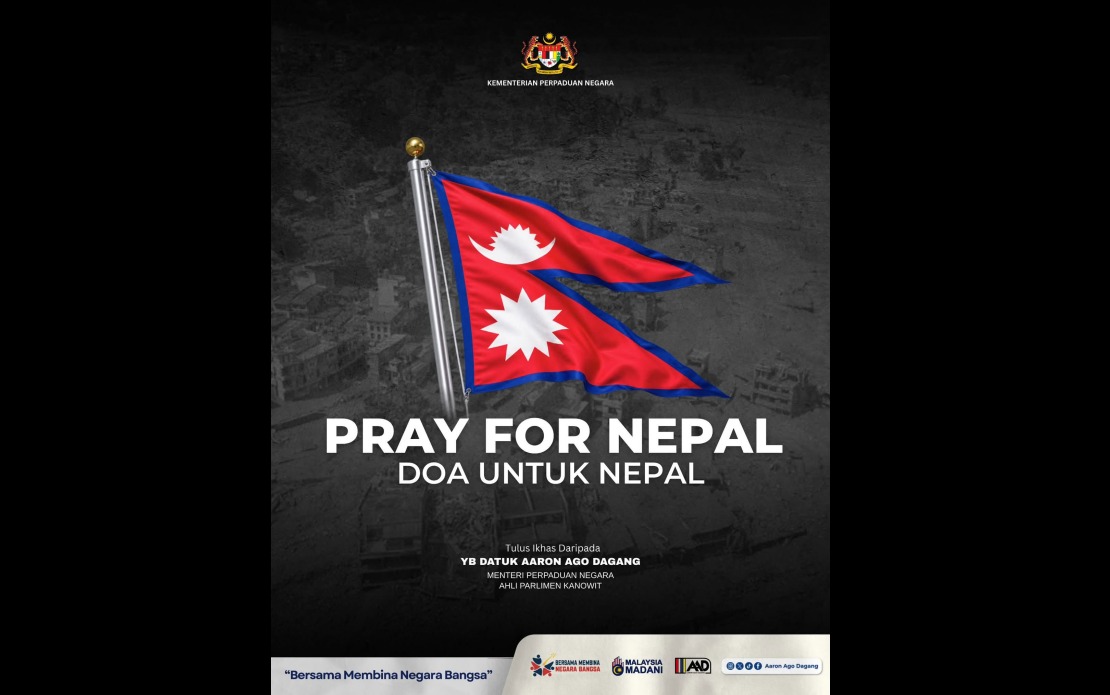
Malaysia's Minister of National Unity Datuk Aaron Ago Dagang has conveyed his heartfelt condolences to the people of Nepal following a severe flooding catastrophe that devastated the Rasuwa district. In a statement shared on social media on August 28, the minister called upon Malaysians to demonstrate solidarity with the affected nation during this period of crisis and humanitarian need.
The minister's intervention reflects the Malaysian government's commitment to extending compassionate support to neighbouring countries during natural disasters. His appeal for public prayer underscores the spiritual dimension many Malaysians employ when responding to international calamities. By leveraging social platforms to communicate the message, the government sought to mobilise domestic sentiment and encourage collective action rooted in shared humanity.
Particularly pressing for Malaysian authorities is the welfare of citizens stranded or affected in Nepal. The Foreign Ministry identified 57 Malaysians whose whereabouts or condition remained unknown as of late August 27, based on reports submitted by family members, colleagues, and employers. This figure represents individuals with documented connections to the disaster zone, though the actual number could fluctuate as communication channels gradually reopen and additional reports arrive from the field.
Prime Minister Datuk Seri Anwar Ibrahim moved swiftly to address the situation, directing the National Security Council and Ministry of Foreign Affairs to launch coordinated identification and contact operations immediately. This two-pronged administrative response demonstrates the standard protocol Malaysia employs when citizens face international emergencies, combining diplomatic channels with inter-agency coordination to maximise response effectiveness and information gathering.
The scale of the Nepal disaster underscores the vulnerability of mountainous regions across South Asia to flash flooding during monsoon seasons. Rasuwa district, situated in the Himalayas north of Kathmandu, experiences particularly intense rainfall patterns that can trigger sudden inundation with minimal warning. For Malaysians with business, educational, or tourism interests in Nepal, such events create immediate logistical challenges in verifying safety and establishing communication lines when infrastructure becomes compromised.
From a regional perspective, the Malaysian response illustrates how Southeast Asian nations maintain humanitarian vigilance toward South Asian neighbours despite geographical distance. The swift activation of government machinery reflects mutual recognition that citizens abroad require immediate protective measures when disasters strike, and that diplomatic goodwill depends partly on demonstrated concern for affected populations.
The communication gap affecting the 57 Malaysians likely stemmed from damaged telecommunications infrastructure, power outages, and general disruption across affected districts. Recovery authorities in Nepal would simultaneously handle rescue operations, needs assessment, and restoration of basic services, necessarily delaying systematic information collection. Malaysian missions in Kathmandu would therefore coordinate with Nepali officials while simultaneously attempting direct contact with known Malaysians through alternative channels.
For Malaysian families with relatives in Nepal, the uncertainty created an anxious period requiring patience as communication slowly resumed and official tallies became more reliable. The Foreign Ministry's publicisation of the figure served dual purposes: notifying the public of the scale of concern while simultaneously encouraging those with information to report contacts, potentially leading to revised and more accurate counts.
Minister Aaron's invocation of prayers and solidarity carries particular significance in Muslim-majority Malaysia, where religious responses to international tragedies form part of the national diplomatic vocabulary. His statement also emphasised assistance and recovery efforts, implicitly supporting Nepal's government initiatives and international relief operations mobilising to address urgent humanitarian needs across the flooded territories.
The incident reinforces why Malaysian expatriates and businesses maintain disaster preparedness protocols when operating in geologically or climatically vulnerable regions. Insurance companies, employers, and individuals with Nepal connections would likely reassess risk profiles following such events, prompting discussions about emergency response planning and evacuation procedures.
As recovery operations unfolded in Nepal, Malaysian authorities continued systematic contact attempts and coordination with diplomatic partners. The government's visible engagement through ministerial statements served to reassure the public that missing citizens remained a priority, even as the full extent of the disaster and casualty figures emerged over subsequent days. This approach balanced immediate humanitarian concern with measured official response, acknowledging both the severity of Nepal's predicament and Malaysia's commitment to citizen protection abroad.

