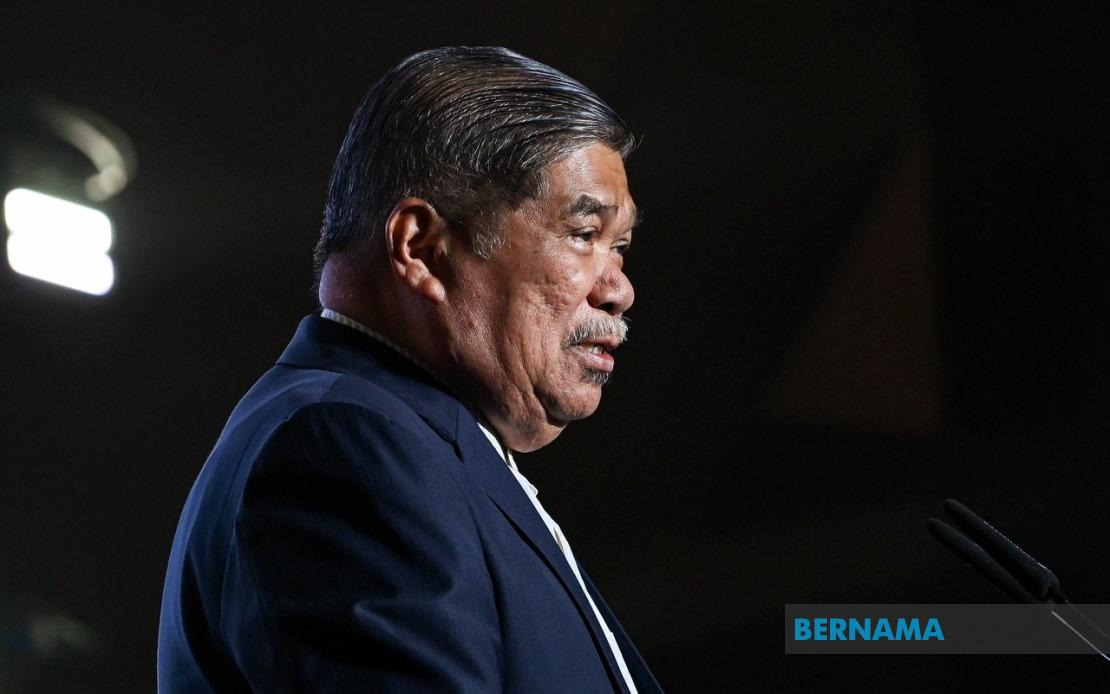
Malaysia's government is poised to unveil results from ongoing trade negotiations with Thailand within the coming weeks, with a resolution expected to address bilateral disputes spanning nearly a decade. Agriculture and Food Security Minister Datuk Seri Mohamad Sabu indicated that talks have progressed to their concluding phase following recent visits by Thai agricultural officials to Malaysia, positioning this as one of the most rapidly advancing discussions between the two nations on these contentious issues.
The most pressing matter under negotiation concerns Thailand's longstanding ban on Malaysian shrimp exports, a restriction that has remained in effect since 2017. This nine-year embargo has significantly impacted Malaysia's aquaculture sector, particularly producers in states dependent on shrimp farming revenues. Alongside this primary dispute, negotiations also encompass Malaysia's effort to gain market access for its livestock products into Thailand—a separate application that has languished without resolution since 2024. The convergence of these two separate but interconnected trade barriers reflects the complexity of agricultural commerce between the neighbouring countries.
The negotiations have acquired particular urgency given recent escalations in reciprocal trade restrictions. Thailand implemented its own ban on shrimp imports into Malaysia on June 1, creating a symmetrical trade barrier that further complicates bilateral agricultural commerce. Additionally, Thai authorities have tightened inspection protocols for Malaysian seabass shipments, adding another layer of market access challenges for Malaysian exporters. These overlapping restrictions suggest a broader pattern of agricultural protectionism that extends beyond the shrimp sector.
Modamad Sabu characterised the current negotiating phase as historically expedited, suggesting that Malaysia and Thailand have discovered common ground or identified mutually beneficial solutions more quickly than previous attempts to resolve such disputes. This acceleration may reflect evolving regional trade dynamics or enhanced political will on both sides to normalise agricultural commerce. The minister's emphasis on the speed of negotiations implies that both governments recognise the economic costs of prolonged trade friction in the agricultural sector.
The anticipated announcement carries significance beyond bilateral commerce. Resolution would signal Malaysia's capacity to navigate complex trade disputes with its immediate neighbours through diplomatic engagement rather than escalation. For Malaysian exporters, particularly those in the shrimp and seafood industries, a successful outcome would restore market access to Thailand, one of Southeast Asia's largest economies and a regionally significant agricultural market. The timing also matters for Malaysia's agricultural producers, who face ongoing input cost pressures and global market competition.
The negotiations underscore broader structural issues within Southeast Asian agricultural trade. Concerns about disease control, particularly in aquaculture, have historically driven import restrictions across the region. Thai authorities' initial justification for the shrimp ban likely centred on biosecurity concerns rather than purely protectionist motives. Understanding whether the forthcoming resolution addresses these underlying health and safety considerations—or simply represents a political compromise—will determine the agreement's durability and whether similar disputes might resurface.
Thailand's position as a major agricultural exporter itself means its import restrictions on Malaysian products reflect strategic choices about protecting domestic producers. The reciprocal nature of the current restrictions suggests both countries are employing similar defensive measures, creating a symmetrical stalemate that incentivises compromise. Malaysia's ability to leverage its own import restrictions on Thai shrimp demonstrates rough economic parity that encourages genuine negotiation rather than capitulation.
The broader context includes Malaysia's participation in regional trade frameworks and its role within ASEAN agricultural commerce. Resolving bilateral disputes with Thailand creates opportunities to strengthen supply chains across Southeast Asia and demonstrates Malaysia's commitment to rules-based trade within the region. Successful resolution also positions Malaysia to address similar issues with other trading partners, establishing precedent for how agricultural trade disputes are managed among ASEAN members.
For Malaysian consumers and domestic industries dependent on imported agricultural products, prolonged trade restrictions increase input costs and limit availability of raw materials. Resolving the disputes could moderate inflationary pressures in food-related sectors and improve supply chain reliability. The livestock market access component particularly matters for Malaysian processors requiring consistent feedstock availability and pricing predictability.
The announcement's timing at month-end allows both governments to demonstrate diplomatic achievement and justify the negotiating efforts to domestic constituencies. Thailand benefits from restoring market access for its agricultural exports to Malaysia, while Malaysia secures improved conditions for its shrimp and seafood producers. The Global Animal Production and Veterinary Industry Summit context suggests that agricultural modernisation and international standards compliance have formed part of the negotiating framework, potentially establishing benchmarks that address Thai biosecurity concerns.
Looking forward, the success or failure of these negotiations will establish expectations for how Malaysia and Thailand manage future agricultural trade friction. If the resolution proves durable and both parties perceive mutual benefit, it could catalyse similar agreements on other products and strengthen bilateral economic integration. Conversely, if the agreement unravels or proves insufficient, it may signal persistent structural obstacles in agricultural trade between the countries that require more comprehensive solutions. The coming announcement will therefore signal not just immediate commercial outcomes but also the trajectory of Malaysia-Thailand trade relations more broadly.

