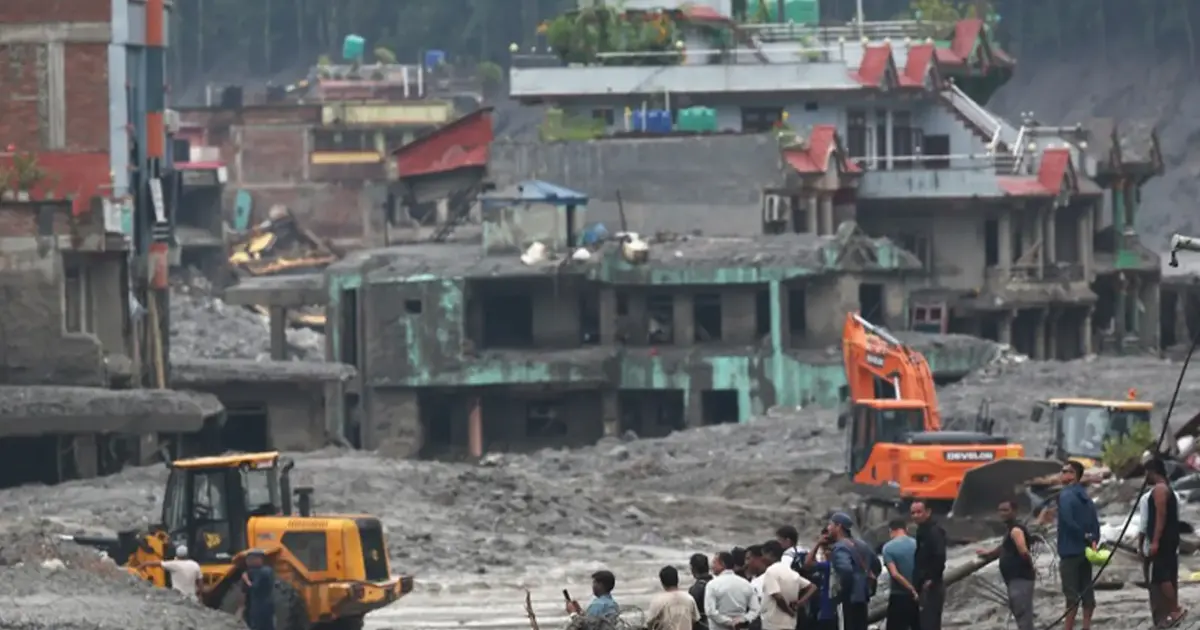
Malaysia has committed to sending its SMART team to Nepal as part of a regional humanitarian response, Prime Minister Anwar Ibrahim confirmed. The deployment represents Malaysia's continued willingness to mobilize specialized emergency resources in support of neighboring nations facing natural disasters, reflecting the country's established role as a reliable partner in Southeast Asian crisis management.
The SMART team, which stands for Specialist Machinery and Rescue Team, constitutes one of Malaysia's most capable disaster response units. Composed of highly trained personnel equipped with advanced search-and-rescue technology, the team specializes in extracting survivors from collapsed structures and providing emergency medical support in the immediate aftermath of catastrophic events. This particular unit has accumulated substantial experience through multiple international deployments, building expertise that proves invaluable when rapid intervention becomes critical.
According to Prime Minister Anwar Ibrahim's statement, officials from both Malaysia and Nepal are actively engaged in coordination efforts to facilitate the speediest possible dispatch of the team. These diplomatic and logistical arrangements typically involve confirming the precise scope of assistance required, establishing protocols for operational autonomy, arranging necessary visa and customs clearances, and coordinating arrival timing with local ground conditions. The urgency underscores the time-sensitive nature of rescue operations following seismic events, where the window for locating survivors beneath debris narrows significantly within the first 72 hours.
Nepal's mountainous terrain and infrastructure vulnerabilities have historically made the nation particularly susceptible to devastating earthquake damage. The country's building standards in rural areas remain inconsistent, and densely populated urban centers like Kathmandu Valley experience concentrated risk from seismic activity along the Himalayan fault systems. Previous major earthquakes, including the catastrophic 2015 event that killed approximately 9,000 people, demonstrated both the scale of potential destruction and the limitations of local response capacity when disasters exceed a certain magnitude.
Malaysia's decision to deploy SMART reflects broader regional solidarity mechanisms that have evolved across Southeast Asia and South Asia in recent decades. Through organizations like the ASEAN Coordinating Centre for Humanitarian Assistance (AHA Centre) and bilateral arrangements, countries have established frameworks for rapid mutual aid during natural disasters. Malaysia itself has received international rescue assistance during previous crises, creating a reciprocal understanding that disaster preparedness benefits from collective capabilities.
The timing of this deployment carries significance within Malaysia's foreign policy context. Strengthening humanitarian ties with Nepal contributes to Malaysia's broader engagement strategy across South Asia, a region increasingly important to Malaysian economic and strategic interests. By demonstrating tangible commitment through emergency assistance, Malaysia reinforces diplomatic relationships that support trade, investment, and cultural exchange objectives. Such gestures often generate goodwill that transcends the immediate crisis response.
From a humanitarian standpoint, the arrival of the SMART team will augment Nepal's domestic emergency response infrastructure. Malaysian personnel can work alongside Nepali rescue workers, transferring knowledge and techniques while providing additional manpower precisely when local resources become overwhelmed. International rescue teams also bring specialized equipment—detection devices, heavy lifting machinery, medical supplies—that may exceed what local authorities can immediately mobilize, particularly in remote or severely damaged areas where infrastructure degradation complicates logistics.
The deployment also underscores Malaysia's investments in disaster management capabilities. Over the past two decades, Malaysia has developed world-class emergency response systems, investing in training, equipment, and institutional frameworks that position the nation as a regional leader in crisis management. This capability reflects lessons learned from the 2004 Indian Ocean tsunami and subsequent disasters, prompting Malaysia to establish standards and procedures now regarded as exemplary within the region.
For Malaysian readers, this deployment illustrates how their country contributes meaningfully to international humanitarian efforts and maintains capabilities that serve national interests by enhancing regional stability and economic resilience. Disaster preparedness increasingly intersects with economic development, as natural disasters disrupt supply chains, damage infrastructure investments, and undermine growth prospects across interconnected regional economies. Malaysian assistance therefore carries both moral and pragmatic dimensions.
The operational details of the SMART team's deployment will likely remain subject to ongoing discussions between Malaysian and Nepali authorities as circumstances evolve and damage assessments become more complete. Prime Minister Anwar Ibrahim's announcement signals Malaysia's immediate readiness to respond, with implementation proceeding through established coordination channels. The actual timing and scale of deployment will depend on information flows regarding specific rescue needs and the capacity of Nepali infrastructure to accommodate and coordinate international assistance effectively.
This commitment reflects Malaysia's continued emphasis on humanitarian diplomacy as a cornerstone of its international engagement strategy, particularly toward neighboring regions. As natural disasters become more frequent and severe due to climate change impacts, such coordinated responses may become increasingly important for regional stability and prosperity.

