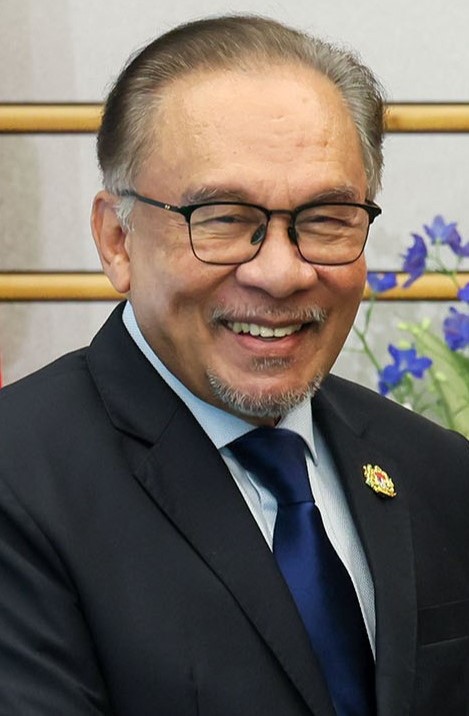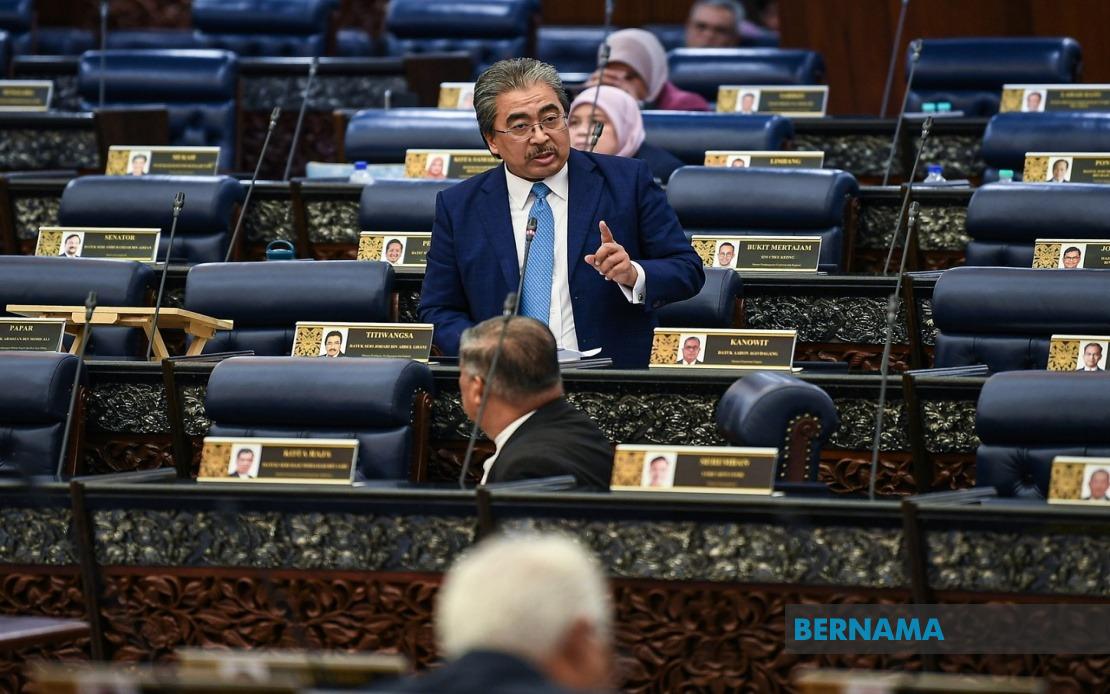
Malaysia is moving to create a comprehensive mechanism that would prevent the entry of goods manufactured through forced labour, marking a significant shift in the country's approach to international trade standards and worker protection. Investment, Trade and Industry Minister Datuk Seri Johari Abdul Ghani announced the development during parliamentary proceedings, framing the initiative as a proactive compliance measure designed to satisfy the regulatory expectations of major trading partners, particularly the United States.
The urgency of this undertaking stems from mounting international pressure and specific threats to Malaysia's export interests. The US has indicated it will impose a preliminary 10 per cent tariff on Malaysian products effective after July 24, contingent on Malaysia's failure to establish adequate safeguards against forced labour in supply chains. This tariff announcement followed a comprehensive investigation by American authorities into the trade practices of 60 nations, reflecting growing global scrutiny of labour standards in international commerce.
Central to Malaysia's response is the establishment of the Inter-Agency Task Force on Forced Labour, which operates under the oversight of the Ministry of Investment, Trade and Industry. This collaborative structure encompasses multiple government departments with complementary mandates. The Ministry of Finance, Ministry of Foreign Affairs, Ministry of Home Affairs, Ministry of Human Resources, and Ministry of Transport have all committed resources and expertise to the initiative. This multi-departmental approach underscores recognition that addressing forced labour requires coordinated action across trade regulation, diplomatic engagement, domestic security, labour standards, and logistics sectors.
The task force's composition extends beyond core ministries to include specialised enforcement and development agencies. The Attorney-General's Chambers brings legal expertise essential for drafting robust legislation. The Royal Malaysian Customs Department and Malaysian Border Control and Protection Agency will shoulder responsibility for implementation at ports and border checkpoints. The Royal Malaysian Police contributes investigative capacity, while the Malaysian Investment Development Authority and Malaysian External Trade Development Corporation provide perspective on investment implications and international trade dynamics.
Currently, Malaysia operates without dedicated legal provisions or enforcement mechanisms specifically targeting forced labour in imported goods. This regulatory gap has positioned the country among 54 nations identified by the US as lacking specific legal restrictions on such imports. While six other countries examined possessed relevant laws, they failed to enforce them adequately. Malaysia's absence of any framework places it at a greater compliance disadvantage, necessitating comprehensive legislative development rather than mere enforcement strengthening.
The timing proves critical as Malaysia navigates multiple trade investigations simultaneously. While the forced labour inquiry approaches completion with clear consequences signalled for late July, a separate market access investigation remains ongoing. This dual-track examination reflects broader American concerns about trade relationships and market openness. The forced labour component represents a discrete, quantifiable issue with explicit tariff consequences, whereas market access considerations may yield additional or supplementary trade measures.
For Malaysian businesses, particularly those in manufacturing, electronics, textiles, and agriculture sectors reliant on supply chain complexity, the implications extend beyond tariff costs. Implementation of credible forced labour detection and prevention systems will require investment in supply chain transparency, worker verification procedures, and audit mechanisms. Companies sourcing materials from domestic suppliers or international vendors will need to conduct due diligence across expanded networks, increasing compliance burdens and operational complexity.
The forced labour mechanism represents Malaysia's integration into a global framework increasingly prioritising worker protection within trade relationships. The US approach reflects broader international momentum, with multiple advanced economies implementing comparable restrictions. The European Union maintains robust forced labour prevention requirements, and similar mechanisms exist across developed markets. Malaysia's compliance positions the country within this evolving standard rather than creating an isolated burden.
Regionally, Malaysia's move carries implications for ASEAN supply chains and Southeast Asian manufacturing networks. As a regional manufacturing hub, Malaysian compliance standards influence sourcing decisions and investment flows throughout the region. Competitors and suppliers across Southeast Asia may face similar pressures, potentially triggering a cascade of mechanism development across ASEAN. Conversely, Malaysia's proactive response could position the country as a reliability leader among Southeast Asian producers, particularly for Western retailers and brands concerned about supply chain integrity.
The inter-agency task force structure suggests Malaysia is treating this not as a compliance checkbox but as a systemic challenge requiring sophisticated institutional coordination. The inclusion of economic development agencies alongside enforcement bodies indicates awareness that mechanisms must balance worker protection with economic competitiveness. Overly rigid or burdensome systems risk pushing investment and manufacturing activity toward less regulated jurisdictions, whereas inadequate safeguards invite continued US pressure and potential market access restrictions.
Implementing effective forced labour detection presents substantial practical challenges. Identifying labour violations across complex, multi-tiered supply chains demands advanced traceability systems, worker interviews, and verification protocols. Malaysia will need to develop or adopt technology platforms enabling supply chain transparency while protecting legitimate business confidentiality. Training enforcement personnel to recognise forced labour indicators requires specialised capacity building unavailable in existing customs and border agencies.
The July 24 deadline creates considerable urgency for framework development and initial implementation. Between now and that date, the task force must produce legislative proposals, undertake necessary parliamentary processes, establish enforcement protocols, and communicate requirements to Malaysia's trading and manufacturing sectors. This compressed timeline may necessitate phased implementation, with core mechanisms deployed by the deadline and comprehensive systems developed through subsequent months.
Looking forward, Malaysia's approach will determine whether the country becomes a competitive advantage source through credible supply chain standards or suffers competitive disadvantage from tariffs and compliance costs. The success of the mechanism depends fundamentally on inter-agency coordination, private sector engagement, and transparent enforcement. International observers will watch Malaysian implementation closely, as outcomes could influence how other countries develop comparable frameworks.