Prime Minister Datuk Seri Anwar Ibrahim has announced the launch of the Ihsan Rahmah 9.9 online sale on September 9 to coincide with Malaysia Day celebrations in 2026, signalling the government's commitment to supporting all 34.5 million Malaysians through subsidised pricing on essential goods. The announcement came at the TikTok Shop Summit Malaysia here today, where Anwar emphasised that the initiative represents comprehensive support for the nation's population.
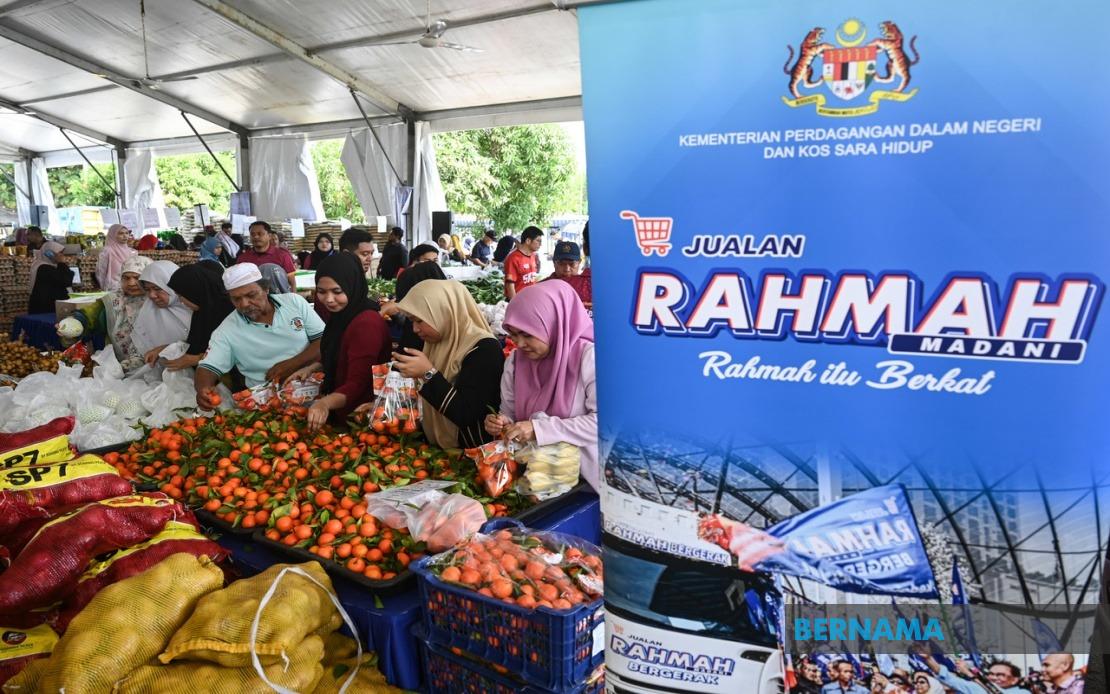
This marks a significant shift in the delivery of the Jualan Rahmah programme, traditionally conducted through physical retail locations. By moving the sale entirely online for the first time, the government aims to democratise access to discounted goods, ensuring that Malaysians across the country—regardless of geographical location—can participate in the initiative. The transition to digital platforms reflects broader efforts to leverage e-commerce infrastructure in reaching consumers more efficiently and inclusively.
The Jualan Rahmah programme, administered by the Ministry of Domestic Trade and Cost of Living (KPDN), has become a cornerstone of the government's approach to managing household budgetary pressures. Products offered through the scheme typically feature discounts ranging from 10 to 30 per cent below prevailing market prices, spanning essential categories including food items, household staples, and other necessities that constitute core components of household expenditure for ordinary Malaysians.
Anwar stressed that robust economic growth alone is insufficient without corresponding improvements in living standards and quality of life. The Prime Minister underscored the necessity of pairing favourable macroeconomic indicators with targeted interventions addressing the immediate concerns of ordinary households—encompassing education access, healthcare provision, infrastructure development, and the rising cost of living that continues to weigh on consumer confidence across income segments.
The initiative will receive coordinated support from multiple government agencies and relevant ministries, as highlighted by the high-level attendance at the announcement. Communications Minister Datuk Seri Fahmi Fadzil, Entrepreneur and Cooperative Development Minister Steven Sim Chee Keong, and Domestic Trade and Cost of Living Minister Datuk Armizan Mohd Ali were present, reflecting the cross-ministerial nature of the effort required to execute such a large-scale online commercial operation.
For Malaysian consumers and small businesses alike, the shift to an online-only format for this particular edition presents both opportunities and considerations. E-commerce participation rates have accelerated substantially in Malaysia, particularly following the pandemic, though digital adoption remains uneven across demographic and geographic categories. The government's emphasis on widening awareness and ensuring accessibility suggests recognition that promoting the sale through multiple channels will be essential to maximising participation among all intended beneficiaries.
The timing of the sale, aligned with Malaysia Day observances, carries symbolic weight beyond its commercial dimensions. By framing the initiative as a patriotic gesture supporting all Malaysians, the government positions cost-of-living relief as a collective national endeavour rather than targeted assistance for specific demographics. This rhetorical approach emphasises social cohesion and shared prosperity as fundamental to the nation's identity and development trajectory.
The price discount structure embedded within Jualan Rahmah directly addresses persistent public concerns regarding household inflation and purchasing power erosion. With basic necessities accounting for substantial proportions of household budgets, particularly among lower and middle-income earners, even modest percentage reductions in these categories can yield meaningful relief when aggregated across multiple purchases and extended across larger population segments.
The government's focus on expanding promotional reach and ensuring comprehensive public awareness reflects lessons from previous retail campaigns and e-commerce initiatives across Southeast Asia. Malaysian authorities are increasingly cognisant that announcement alone does not guarantee equitable participation; deliberate communication strategies targeting diverse demographic groups through various media channels significantly influence uptake rates and programme effectiveness in achieving stated equity objectives.
Looking forward, the September 9 sale represents an opportunity to assess how digital infrastructure and online retail platforms can be mobilised for pro-consumer policy implementation in Malaysia. Success in this instance could establish precedent for future government-sponsored e-commerce initiatives, potentially reshaping how state agencies interact with commerce and consumer welfare considerations in an increasingly digital marketplace. The operational complexities of coordinating such an event across multiple vendors and platforms will likely generate insights valuable for policy refinement and implementation design in subsequent iterations.

