The Department of Information (JAPEN) is preparing a comprehensive yet moderately scaled nationwide initiative to commemorate Malaysia Day 2026 and the National Month celebrations through interactive community engagement. The drive underscores the government's strategy to nurture patriotic sentiment at the grassroots level while maintaining fiscal discipline in its programme execution.
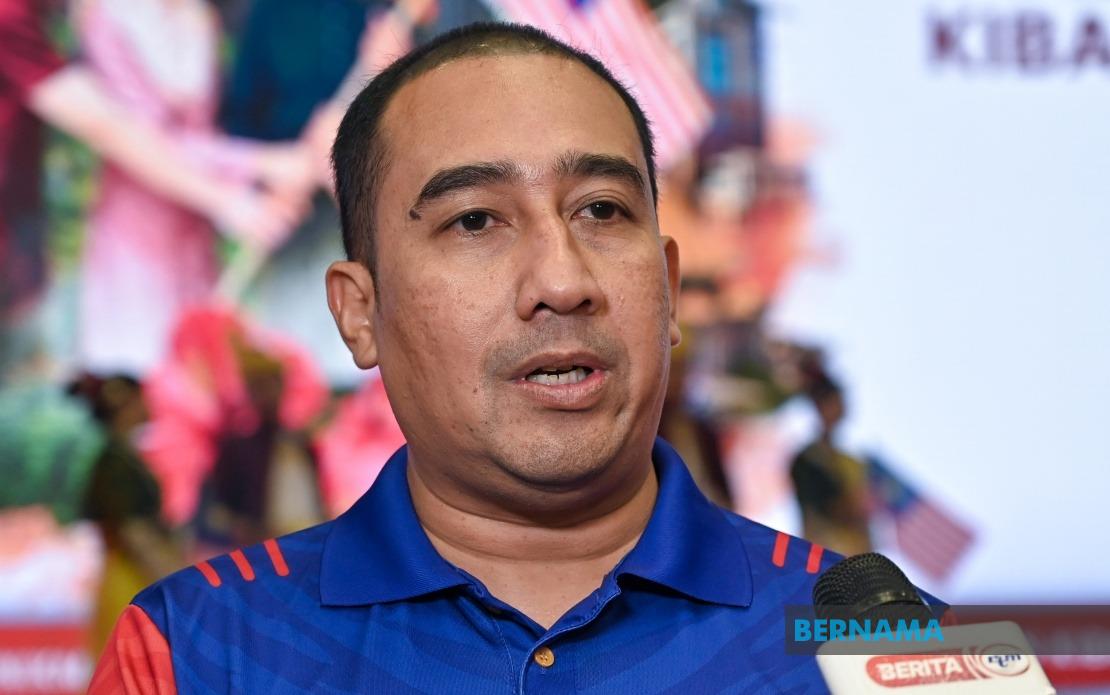
Muhammad Najmi Mustapha, director of JAPEN's Communication Services and Community Development Division, unveiled details of the initiative following a successful rehearsal for the 2026 National Month and Fly the Jalur Gemilang Campaign held at the Sultan Azlan Shah Ministry of Health Training Institute in Tanjung Rambutan, near Ipoh. He emphasised that despite operating at a moderate scale, the programmes would deliver substantial community value through thoughtfully curated activities that resonate with ordinary Malaysians across diverse settings.
The centrepiece of JAPEN's outreach strategy is the expanded 1 House 1 Jalur Gemilang campaign, which now encompasses two newly integrated clusters beyond its original seven operational sectors. Previously, the initiative functioned across industry, education, security, health, government agencies, higher education, and community settings. The addition of places of worship and sports premises reflects a deliberate expansion designed to embed flag-flying practices more deeply within Malaysian civil society, recognising that community acceptance of patriotic symbols depends partly on their integration into spaces where citizens regularly gather for spiritual, recreational, and social purposes.
Through mobile units deployed at strategic checkpoints across the country, JAPEN will distribute Jalur Gemilang kits to households and community organisations. Beyond symbolic distribution, the department has committed to making financial or material contributions to participating places of worship, creating tangible incentives for their participation and demonstrating government support for religious institutions. This carrot-based approach stands in contrast to top-down mandates, instead positioning patriotic expression as a collaborative endeavour between state and community.
Mohd Haizul Hod, director of JAPEN's Media and Corporate Communication Division, previously articulated the strategic rationale for cluster expansion. By anchoring the Jalur Gemilang campaign within institutions that command high social capital and regular foot traffic, the government aims to normalise patriotic symbolism and foster organic, widespread participation rather than relying on centralised directives. The inclusion of sporting venues is particularly significant, given that sports events attract youth demographics and create informal settings where patriotism can be expressed without the formality sometimes associated with official ceremonies.
Prime Minister Datuk Seri Anwar Ibrahim will officiate the national launch ceremony tomorrow morning at 10 am, signalling the executive's personal investment in the initiative. The event will feature several symbolic components, including a morning Merdeka Patriot Run that channels patriotic fervour into collective physical activity. Notably, security forces will resume the hoisting of the Jalur Gemilang during the launch, marking a recommencement of this ceremonial practice after a two-year interruption that had generated public commentary about continuity in patriotic observances.
The launch will also premiere the HKHM2026 theme song, providing a cultural artefact that extends beyond the immediate ceremony and potentially into broader public consciousness through digital platforms and media circulation. The timing of a theme song release demonstrates JAPEN's understanding that patriotic campaigns require cultural resonance alongside bureaucratic implementation, recognising that music often penetrates societal awareness more effectively than policy pronouncements.
Broadcast arrangements reflect the government's digital-first communication strategy. The ceremony will be transmitted simultaneously across multiple platforms including Radio Televisyen Malaysia, the Malaysian National News Agency (Bernama), Merdeka360 Facebook Live, and official channels of the Ministry of Communications and JAPEN. This multi-platform dissemination ensures that Malaysians unable to attend the physical event in Ipoh can participate virtually, democratising access to the patriotic narrative being constructed and amplifying its reach beyond geographical limitations.
Approximately 3,000 attendees are anticipated, drawing participants from MADANI Community networks throughout the country. The composition of this audience—grassroots community activists rather than exclusively government officials—signals an intent to position the launch as an inclusive national moment rather than an intra-governmental ceremony. The MADANI Community framework, which mobilises citizens around government development objectives, becomes here a delivery mechanism for patriotic mobilisation, blending development and nationalist messaging.
For Malaysian readers, this initiative reflects broader contemporary questions about how multicultural democracies maintain cohesive national identity across diverse populations. The deliberate inclusion of religious institutions and sporting venues suggests recognition that patriotic sentiment flourishes when embedded within existing social structures rather than imposed from above. The scaled approach also indicates budgetary constraints—or policy preference for distributed, sustainable community engagement over high-cost centralised spectaculars—a consideration relevant as governments everywhere reassess spending priorities.
The expanded geographical and institutional reach of the 2026 campaign positions these celebrations as more than ceremonial moments; they represent testing grounds for government-community partnerships in nation-building. Success will depend partly on whether distributed JAPEN mobile units generate authentic grassroots participation or are perceived as top-down patriotic exercises. The inclusion of contribution mechanisms to places of worship acknowledges that sustained community engagement requires tangible reciprocity, not merely exhortation.
Southeast Asian context matters too. Regional neighbours have deployed varied strategies for managing patriotic sentiment in plural societies, from Singapore's structured multiculturalism to Indonesia's more diffuse nationalism. Malaysia's 2026 approach—emphasising community agency, religious accommodation, and distributed implementation—represents a distinctly Malaysian calibration of these tensions, prioritising inclusive participation over overwhelming centralised display.

