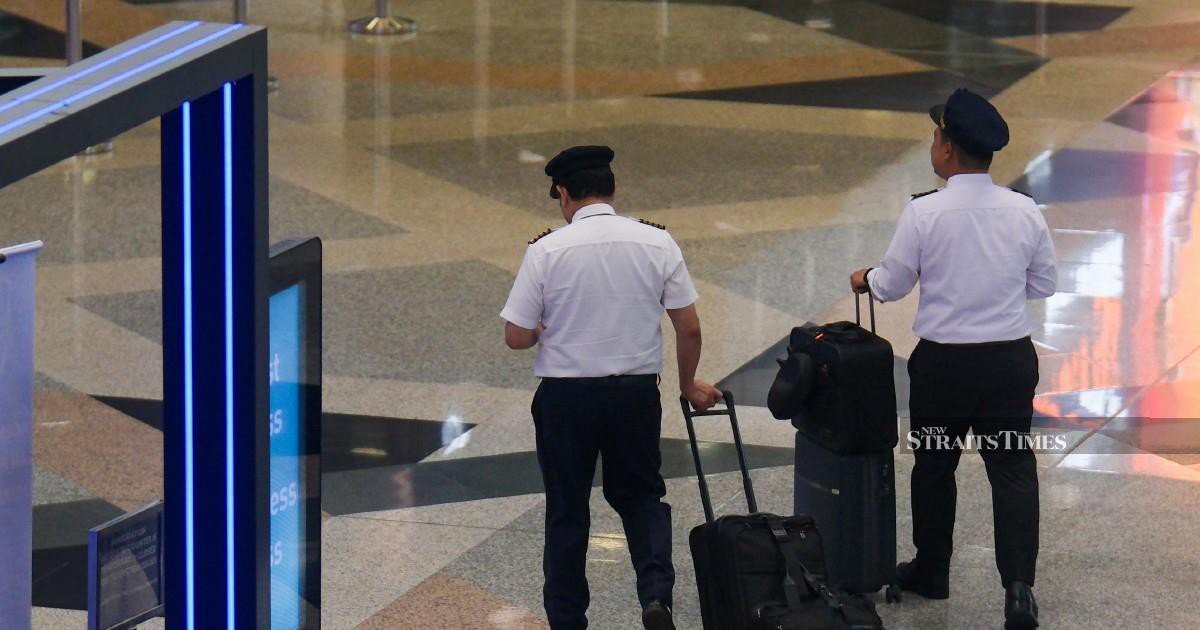
Malaysia Corruption Watch (MCW) has called on authorities investigating the arrest of a pilot discovered carrying drugs in Indonesia to prioritise identifying security vulnerabilities at Kuala Lumpur International Airport (KLIA) rather than directing efforts narrowly at determining which government agency should shoulder blame.
The advocacy group's position reflects growing concern that the incident represents a broader failure in airport security protocols rather than an isolated lapse by a single entity. By shifting the inquiry's emphasis towards systemic weaknesses, MCW argues that authorities have an opportunity to implement meaningful reforms that would strengthen defences against similar incidents in future.
The pilot's arrest highlighted the extent to which contraband can transit through Malaysia's largest and most critical aviation gateway. The discovery in Indonesia serves as an uncomfortable reminder that current screening procedures, surveillance mechanisms, and personnel vetting processes may contain exploitable gaps. Rather than engage in institutional finger-pointing, MCW contends that a comprehensive security audit would yield greater benefit to the nation's reputation and public safety.
KLIA processes millions of passengers and significant cargo volumes annually, making it a focal point for both legitimate commerce and potential smuggling operations. The facility operates under sophisticated management systems and employs advanced technology, yet the pilot case demonstrates that determined individuals with inside knowledge may circumvent existing safeguards. Such vulnerabilities carry implications extending beyond narcotics smuggling, encompassing potential threats to aviation security and national safety more broadly.
MCW's intervention carries particular weight in Malaysia's anti-corruption landscape. The organisation has consistently pressed for institutional accountability and systemic reform rather than personalised blame assignment in high-profile cases. This approach recognises that corruption and security lapses frequently emerge from structural deficiencies rather than individual misconduct alone. By advocating for comprehensive investigation into KLIA's protocols, the group acknowledges that sustainable improvement requires examining how procedures are designed, implemented, and monitored across the entire organisation.
The incident also raises questions about personnel screening and internal controls within KLIA's operations. Airports worldwide have experienced breaches involving employees who either knowingly facilitate contraband movement or fail to detect it due to inadequate training. Malaysia's aviation sector, which positions itself as a regional hub offering world-class infrastructure and services, faces reputational consequences when security lapses become public knowledge. International airlines and passengers factor airport safety and security standards into decisions about routing, and negative perceptions can impact commercial activity.
Authorities managing KLIA must balance operational efficiency with security rigour. The challenge lies in implementing enhanced screening without creating unacceptable delays that frustrate legitimate travellers and freight operators. An investigation focused on security weaknesses rather than agency accountability provides opportunity to identify where technology, procedures, or personnel training require upgrading. Such findings become actionable recommendations rather than instruments of bureaucratic blame.
The timing of this case coincides with Malaysia's broader efforts to strengthen border security and combat transnational drug trafficking. The country has positioned itself as a serious player in regional law enforcement cooperation, yet international partners will scrutinise whether incidents like the pilot's arrest reflect systematic problems requiring foreign assistance to remedy. MCW's call for comprehensive investigation sends a signal that Malaysian authorities recognise the need for thorough review rather than quick closure through selective accountability.
Secondary considerations include the integrity of personnel screening processes. Airport employees, particularly those with airside access or involvement in baggage handling and cargo operations, should undergo rigorous vetting and periodic reassessment. The pilot case may reveal inadequacies in background checks, conflict-of-interest protocols, or monitoring systems designed to detect suspicious behaviour. Addressing such gaps requires honest institutional assessment rather than defensive posturing.
MCW's position also reflects international best practices in security management. Leading airports and aviation authorities worldwide conduct regular vulnerability assessments and security audits designed to identify weaknesses before incidents occur. The reactive investigation following the pilot's arrest provides opportunity to adopt proactive measures that prevent future breaches. Such an approach demonstrates institutional maturity and commitment to continuous improvement.
The broader implications extend to public confidence in Malaysia's institutional capacity for self-regulation. Citizens and international observers watch closely to determine whether investigations into high-profile security failures result in meaningful reform or merely conclude with institutional restructuring. MCW's intervention advocates for outcomes that genuinely enhance protection of the travelling public and Malaysia's role as a responsible aviation hub.
Moving forward, MCW's recommendations suggest that KLIA management should commission comprehensive security audits, update personnel vetting procedures, enhance surveillance and monitoring systems, and establish clearer accountability mechanisms for security implementation. These measures would transform the pilot incident from a source of embarrassment into a catalyst for institutional strengthening. The investigation's outcome will demonstrate whether Malaysian authorities can respond constructively to security challenges or whether bureaucratic self-interest will prevail over systematic improvement.

