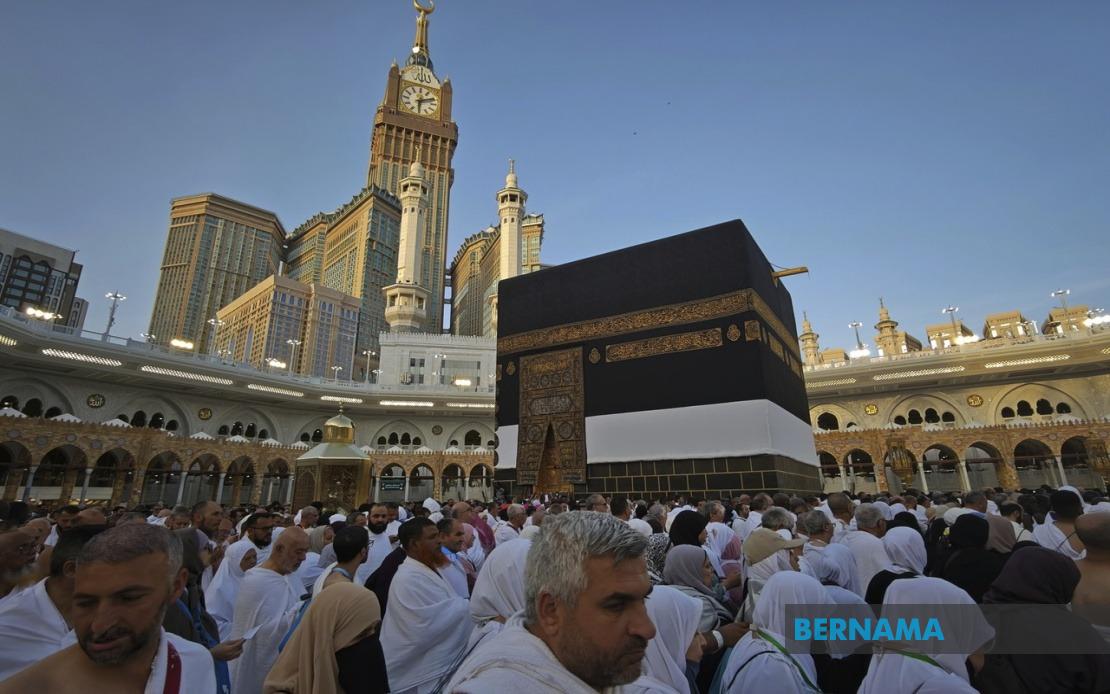
The Consulate General of Malaysia in Jeddah issued a formal statement on Sunday dismissing circulating reports on social media that suggested Malaysian haj pilgrims remained stranded in Saudi Arabia following the conclusion of the 1447H/2026 Haj season. The consulate provided categorical assurance that all pilgrims participating in this year's pilgrimage had completed their journey and arrived safely back in Malaysia according to the prescribed timetable established by the Pilgrims Fund Board, also known as Tabung Haji.
The denial came as social media platforms witnessed the spread of unsubstantiated claims alleging that portions of the Malaysian haj contingent were still present in the kingdom with no clear return date. Such claims, whether accidental misinformation or deliberate falsehoods, have the potential to cause considerable anxiety among the families of returning pilgrims and the broader Muslim community in Malaysia. The prompt intervention by the official diplomatic mission underscores the importance of combating false narratives during sensitive periods involving large-scale religious gatherings.
Tabung Haji, the statutory body responsible for overseeing Malaysian participation in the annual pilgrimage, had established a structured repatriation schedule that saw all participants from the 1447H/2026 contingent depart Saudi Arabia on their designated dates. The successful completion of this logistical operation represents a significant undertaking, as Malaysia typically sends tens of thousands of pilgrims to Mecca and Medina each haj season. The coordination required to manage travel documentation, transportation, accommodation, and return flights for such numbers demands meticulous planning and execution by both Malaysian authorities and their Saudi counterparts.
The consulate's statement explicitly noted that there were no remaining Malaysian haj pilgrims in Saudi Arabia associated with the 1447H/2026 Haj operations. This unambiguous declaration was intended to provide definitive clarity and eliminate any lingering uncertainty. In the digital age, where information spreads rapidly and often unverified, official sources must move swiftly to counter misinformation that could undermine public confidence in government institutions and international coordination mechanisms.
The Malaysian diplomatic mission in Jeddah plays a crucial role during the haj season, providing consular services, assisting pilgrims with difficulties, and maintaining close liaison with Saudi authorities. The consulate's proactive communication reflects its commitment to ensuring transparency and maintaining public trust. By addressing the false claims directly, the institution demonstrated its attentiveness to community concerns and its willingness to provide factual updates to the Malaysian public.
The circulation of unverified claims about stranded pilgrims highlights a broader challenge faced by governments across Southeast Asia and the Muslim world during haj season. False information about pilgrims, particularly claims suggesting crisis situations, can trigger unnecessary alarm and strain embassy resources. Malaysia's approach—swift, authoritative denial backed by the credibility of official sources—represents an effective model for addressing such misinformation while maintaining public confidence in the integrity of the pilgrimage process.
Tabung Haji's management of the 1447H/2026 season reflects the institution's accumulated experience and refinement of procedures developed over decades of facilitating Malaysian pilgrimage. The organization works closely with the Ministry of Religious Affairs and international partners to ensure that the haj experience proceeds smoothly for all participants. The successful completion and return of all pilgrims demonstrates the effectiveness of these coordinated efforts and the commitment of Malaysian institutions to safeguarding the welfare of religious travelers.
The consulate's appeal to the public to rely on official sources for accurate information addresses a critical information hygiene issue in the contemporary media landscape. Social media platforms, while valuable for rapid communication, frequently become vectors for unfounded rumors and deliberate disinformation. By encouraging citizens to consult authoritative sources, Malaysian diplomatic missions aim to build resilience against false narratives and strengthen community discernment regarding information reliability.
For Malaysian families with relatives who performed haj during this period, the consulate's confirmation provided definitive reassurance. The emotional stakes surrounding pilgrimage make pilgrims and their families particularly susceptible to anxiety-inducing claims. Official communications that promptly dispel such concerns represent an important service, reducing unnecessary distress and maintaining the spiritual and emotional benefits of the pilgrimage experience.
The successful completion and return of the 1447H/2026 haj contingent reflects Malaysia's strong diplomatic relationships with Saudi Arabia and the reliability of institutional arrangements governing religious travel. As Malaysia continues to send pilgrims annually and increasingly explores opportunities for umrah and other religious tourism, maintaining public confidence in these systems remains essential. The consulate's swift response to misinformation demonstrates institutional vigilance and commitment to public reassurance, strengthening Malaysia's reputation as a dependable facilitator of pilgrimage for its Muslim citizens.

