Putrajaya transformed into a sea of patriotism on August 31 as tens of thousands of Malaysians converged at Dataran Putrajaya to commemorate 69 years of national independence. The gathering, drawing citizens from across the country spanning multiple generations and ethnic backgrounds, underscored the enduring significance of National Day in the Malaysian national calendar. Under the unifying theme of Malaysia MADANI: Kesejahteraan Dinikmati, the celebrations demonstrated how the nation continues to find common ground through shared civic pride and collective memory of independence.
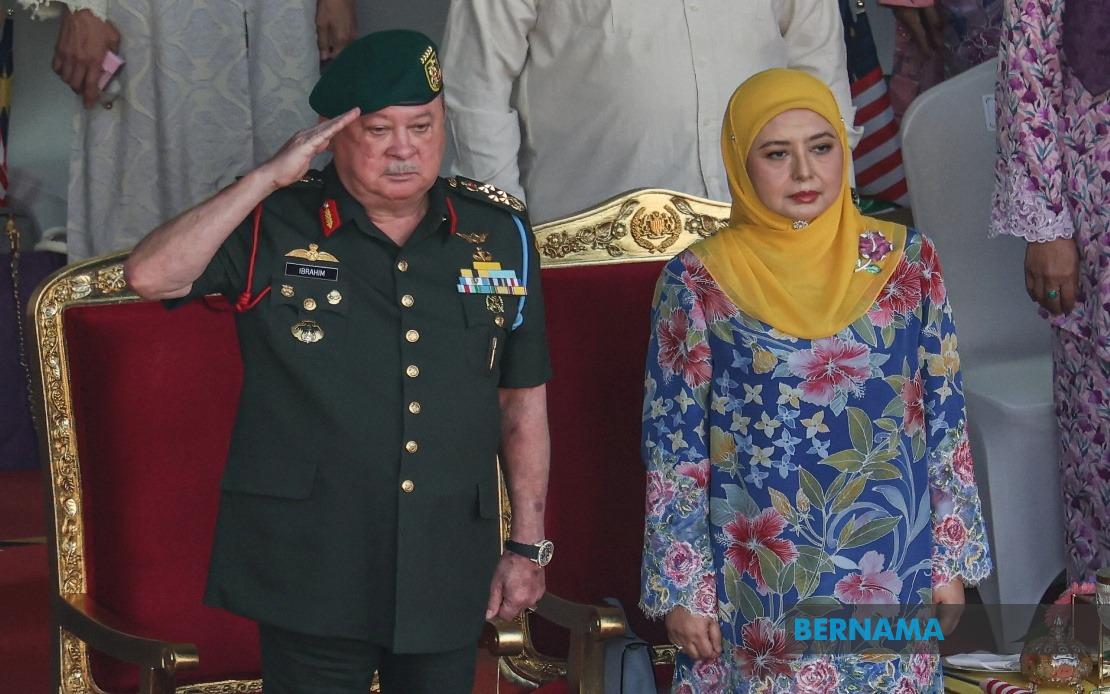
The ceremonial proceedings commenced early in the morning, with Prime Minister Datuk Seri Anwar Ibrahim and his wife, Datuk Seri Dr Wan Azizah Wan Ismail, taking their places at the royal stage at 7.53 am, accompanied by the traditional "Hormat Perdana" song. The highlight arrived shortly thereafter when Their Majesties Sultan Ibrahim and Raja Zarith Sofiah made their entrance at 8 am, drawing the attention of the assembled crowd and marking the formal opening of the national-level celebrations.
The arrival of the monarchy was marked by an impressive aerial display, with five helicopters bearing the Jalur Gemilang executing a flypast whilst the national anthem Negaraku and the royal tribute "Hormat Diraja" resonated across the grounds. Such ceremonial pageantry serves multiple functions in the Malaysian political context—it affirms the constitutional position of the monarchy, reinforces symbols of national unity, and creates moments of collective emotional resonance that transcend partisan divides.
Putrajaya's selection as the venue reflected its established role as the preferred location for major national celebrations. This was the eighth occasion since 2003 that Dataran Putrajaya has hosted the National Day festivities, consolidating the Federal Territory's status as Malaysia's ceremonial and administrative heart. The frequency of these events in Putrajaya has effectively transformed the administrative capital into a symbolic representation of the nation itself, with its open spaces and architectural design accommodating the pageantry required for state occasions.
Among the dignitaries present were Deputy Prime Minister Datuk Seri Dr Ahmad Zahid Hamidi and various Cabinet members, including Communications Minister Datuk Seri Fahmi Fadzil, who chairs the main coordinating committee for the 2026 National Day and Malaysia Day celebrations. The participation of such high-ranking officials underscores the institutional importance placed on National Day by the federal government, whilst the presence of diplomatic corps and foreign delegates highlighted Malaysia's role in regional affairs and the international dimension of its national identity.
The formal proceedings began with the singing of Negaraku, establishing the ceremonial tone of the occasion. The national flag was subsequently raised to accompany a 14-gun salute, each report symbolizing one of Malaysia's 14 states—a deliberate architectural choice that embeds federalism and territorial unity into the very structure of the ceremony. The 41st Battery of the Royal Artillery Regiment, led by Major Hafizan Mat Ghani, executed this salute with ceremonial precision.
A particularly meaningful moment arrived with the collective recitation of the Rukun Negara, the five principles that form the philosophical foundation of the Malaysian nation. Led by Malaysian Fire and Rescue Department Deputy Commissioner Datuk Abdul Razak Muda, this recitation involved 69 JBPM personnel alongside sign language interpreter Nur Alyanatasha—a symbolic gesture reflecting the inclusive vision of national identity. The explicit inclusion of sign language interpretation signaled conscious effort to ensure accessibility and demonstrate that the nation's founding principles encompass all citizens regardless of ability.
The ceremonial climax came with the traditional sevenfold cry of "Merdeka"—independence—which echoed across Dataran Putrajaya following the Rukun Negara recitation. This moment, accompanying by the sight of thousands raising miniature Jalur Gemilang flags, epitomized the emotional core of National Day celebrations. The repetition of "Merdeka" seven times, rather than once, extends the moment of national affirmation and allows for deeper emotional absorption by participants.
For Malaysian observers and international onlookers alike, such celebrations serve purposes beyond ceremonial observance. They function as periodic recalibration of national narrative, reinforcing the constitutional and institutional frameworks that undergird the Malaysian state. At a time when questions about national cohesion and social polarization frequently emerge in public discourse, the gathering of such diverse crowds united by patriotic sentiment demonstrates the continued resonance of independence as an organizing principle of Malaysian identity.
The timing of the National Day celebration carries particular significance in the Malaysian political calendar. Occurring in late August, it provides a structured moment for national reflection and renewal before the onset of Malaysia Day on September 16, which commemorates the formation of Malaysia as a federation. These twin celebrations, occurring within a fortnight, effectively establish an extended season of civic engagement and national stock-taking.
The event's success in drawing tens of thousands of participants across age groups and communities illustrates that despite generational changes and evolving social dynamics, the foundational narrative of independence retains powerful mobilizing capacity. For younger generations born well after 1957, these celebrations transmit historical consciousness and connect contemporary Malaysian identity to the anti-colonial struggle and nation-building achievements of earlier decades.
Putrajaya's continued selection as the host venue reflects administrative rationality—the capital's infrastructure and ceremonial spaces are purpose-built for such gatherings—but also symbolic intention. By consistently hosting National Day at the seat of federal government, Malaysian authorities reinforce the linkage between institutional legitimacy and national identity, subtly affirming that the government embodies the nation's aspirations and represents the collective will of the populace.
As Malaysia moves forward through 2026 and beyond, the National Day celebrations at Dataran Putrajaya continue to function as anchoring events in the national calendar, moments when the diverse elements of Malaysian society gather under unified symbols and shared historical narrative. Whether such occasions will maintain their emotional and mobilizing power in face of ongoing social and political challenges remains an open question, but the turnout and evident enthusiasm on August 31 suggests that the appeal of independence and national unity remains robust.

