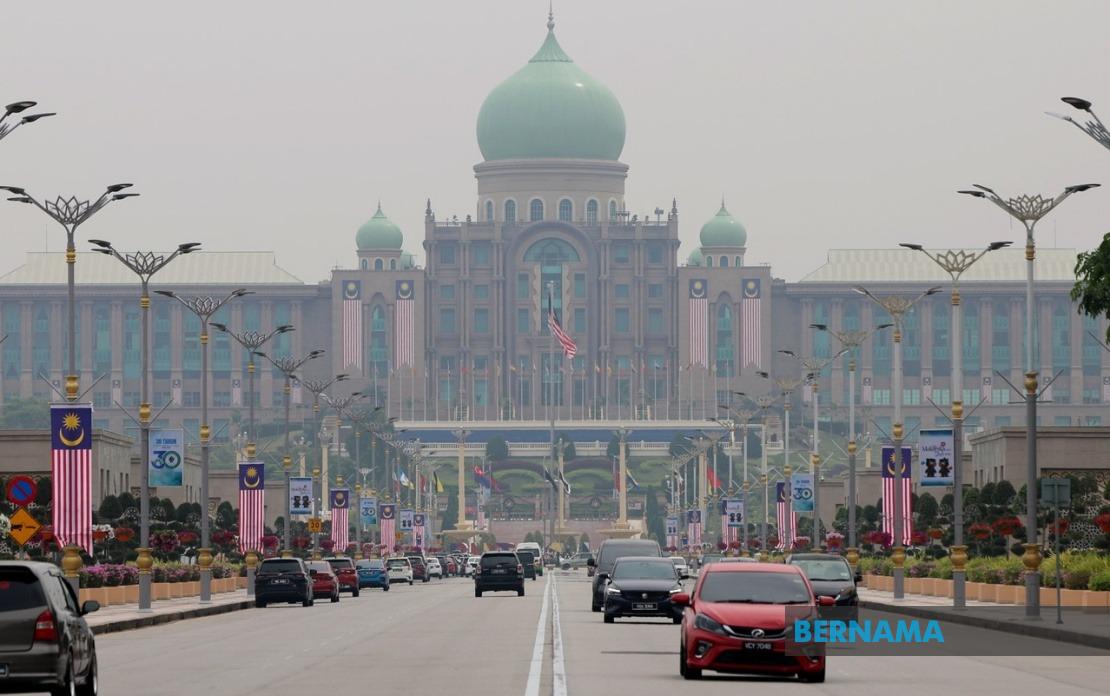
Malaysia is preparing for a week of degraded air quality affecting multiple regions, with forecasters warning that haze concentrations could reach hazardous levels in several states through the end of August. The Malaysian Meteorological Department has issued alerts for widespread hazy conditions expected to persist from August 27 through August 31, driven by southwest monsoon winds carrying smoke and particulate matter from burning hotspots across the Indonesian border.
Dr Mohd Hisham Mohd Anip, director-general of MetMalaysia, attributed the forecast to an unfavourable combination of meteorological and environmental factors. The southwest monsoon winds are funnelling pollution from persistent fire hotspots in southern Sumatra and western Kalimantan directly into Malaysian airspace. This transboundary haze phenomenon, which recurs seasonally, represents a significant cross-border air quality challenge that affects millions of Malaysians and constrains regional cooperation on environmental management.
Sarawak faces the most severe risk, with MetMalaysia's Malaysian Community Multiscale Air Quality Model predicting that most districts in the state will experience hazy weather classified as Unhealthy under the Air Pollutant Index system. More concerning, several Sarawak districts have potential to breach the Very Unhealthy threshold on August 30 and 31, when air quality typically deteriorates as overnight atmospheric conditions trap pollutants near ground level. This escalation raises public health concerns, particularly for vulnerable populations including children, elderly residents, and those with respiratory conditions.
The haze impact extends across a broad geographic footprint. Sabah will begin experiencing elevated haze concentrations starting Saturday, August 28, while peninsular Malaysia faces sustained poor air quality through month's end. The states of Johor, Melaka, Negeri Sembilan, Selangor, and Kuala Lumpur, along with the federal territories of Kuala Lumpur and Putrajaya, are all forecast to endure high haze concentrations until August 31. This widespread geographic distribution means that economic activity, outdoor operations, and public health across multiple regions will face constraints from degraded air conditions.
The timing of this forecast has prompted official concern about Malaysia's major national celebrations. Communications Minister Datuk Seri Fahmi Fadzil acknowledged that the government is actively evaluating whether to scale down or relocate the National Day celebration scheduled for August 31 due to the haze situation. Such modifications would be unprecedented for Malaysia's largest patriotic observance and reflect the severity with which authorities view the projected air quality deterioration. The logistics of managing mass gatherings during hazardous air quality episodes present significant challenges for crowd control, public health monitoring, and participant safety.
Prime Minister Datuk Seri Anwar Ibrahim has appealed to Malaysians to pray for moderation in the haze situation as preparations for both National Day on August 31 and Malaysia Day on September 16 proceed. His remarks underscore the uncertainty inherent in air quality forecasting and the tension between maintaining ceremonial traditions and safeguarding public welfare. The government machinery is simultaneously advancing preparations for both national celebrations while contingency planning for various air quality scenarios, a complex balancing act that illustrates how climate and environmental factors increasingly shape Malaysia's administrative and political agenda.
MetMalaysia is maintaining continuous monitoring protocols and has committed to updating forecasts as new meteorological data emerges. Air quality predictions depend on multiple dynamic variables including wind speed, wind direction, atmospheric mixing height, rainfall patterns, and the intensity of fire sources across the border. Even sophisticated forecasting models can experience significant forecast uncertainty, particularly beyond five to seven days. Malaysians can expect periodic updates as the situation unfolds, with particular attention paid to August 30 and 31 when the Very Unhealthy threshold may be breached in Sarawak.
The broader context of transboundary haze underscores the complex environmental interdependencies within Southeast Asia. Indonesia's forest and agricultural fires, often linked to land clearance and peatland drainage for plantations, generate smoke that drifts across international borders and affects air quality across the region. Malaysia has limited direct control over fire sources in neighbouring jurisdictions, placing emphasis on diplomatic engagement, regional cooperation frameworks, and support for Indonesian fire suppression efforts as longer-term mitigation strategies.
For Malaysian residents and businesses, the forecast indicates the need for practical adaptations. The Unhealthy and Very Unhealthy air quality categories trigger health advisories recommending reduced outdoor exposure, use of N95 masks for those venturing outside, and heightened vigilance regarding respiratory symptoms. Schools, sports events, and outdoor commerce may face disruptions. Air purifier sales typically spike during such periods, and healthcare facilities prepare for increased respiratory consultations. Businesses dependent on outdoor operations or good visibility, including construction, aviation, and logistics, face operational constraints.
The August 31 date carries particular significance as Malaysia's National Day, marking the nation's independence. The potential need to modify celebrations represents a rare instance where environmental factors override ceremonial preferences. Should the government proceed with a scaled-down or relocated celebration, it would signal that public health considerations now take precedence over traditional event management—a shift reflective of evolving governance priorities across Southeast Asia in response to climate variability and environmental degradation.
As Malaysians await updated forecasts and government decisions regarding National Day arrangements, the situation underscores both the immediate challenge of transboundary air pollution and the longer-term imperative for regional environmental cooperation. The monitoring efforts by MetMalaysia provide crucial real-time guidance for public decision-making, while the government's willingness to consider adjusting national celebrations reflects an institutional acknowledgment that environmental constraints must shape administrative planning.

