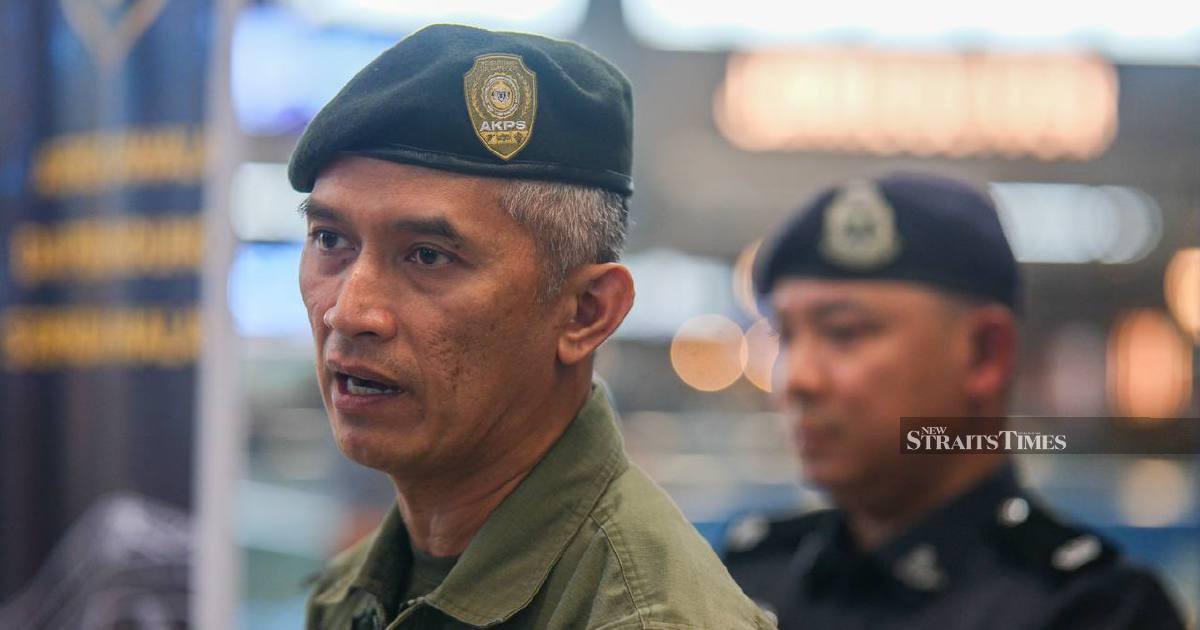
Authorities in Malaysia are maintaining a cautious approach to investigating the drug smuggling case involving a Malaysia Airlines pilot arrested across the border in Indonesia, declining to make premature determinations about potential counter-setting operations. The Malaysia Border Control and Protection Agency (MCBA) has signalled that the inquiry remains in its preliminary stages, with investigators still gathering evidence and conducting interviews before reaching definitive conclusions about the circumstances surrounding the pilot's detention.
Counter-setting operations, where drug traffickers deliberately expose rival smuggling networks to authorities to eliminate competition or redirect enforcement attention, represent a sophisticated tactic increasingly observed in transnational drug networks operating across Southeast Asia. Such activities pose significant challenges to border security agencies, as distinguishing between genuine smuggling operations and deliberate setups requires extensive intelligence work and international cooperation. The complexity deepens when cases involve multiple jurisdictions, requiring Malaysia's authorities to coordinate with Indonesian counterparts while navigating different legal frameworks and investigative protocols.
The involvement of a commercial airline pilot raises additional concerns about potential vulnerabilities in airport security systems and employee vetting procedures. International carriers operating across multiple Southeast Asian hubs face persistent challenges in preventing their staff from becoming conduits for drug trafficking operations. The case highlights how transnational criminal networks exploit trusted positions within legitimate transportation infrastructure, creating risks that extend beyond individual prosecutions to systemic security weaknesses affecting regional aviation networks.
Malaysia's measured response reflects growing sophistication in how border agencies approach complex transnational cases. Rather than rushing to public conclusions, the MCBA's hesitance to definitively rule out counter-setting demonstrates recognition that premature statements could compromise ongoing investigations or prejudice legal proceedings in either jurisdiction. This cautious stance contrasts with earlier periods when agencies might have prioritized rapid public announcements over investigative thoroughness.
The case unfolds amid broader challenges facing Southeast Asian nations combating drug trafficking through aviation channels. Indonesia and Malaysia have intensified border cooperation in recent years, establishing task forces and information-sharing mechanisms to intercept smuggling attempts. However, coordination between different agencies within each country—and across borders—sometimes produces gaps that traffickers exploit. The pilot's case will likely inform future training and procedural improvements for both nations' transportation security divisions.
International aviation regulators and industry bodies have grown increasingly concerned about the prevalence of insider threats within commercial airlines operating throughout the region. Employee screening procedures, background checks, and ongoing monitoring vary considerably across carriers and jurisdictions, creating opportunities for criminal recruitment. Airlines have begun implementing enhanced vetting processes and regular integrity checks specifically targeting staff with international flight access, though implementation remains uneven across the sector.
For Malaysia Airlines specifically, the incident arrives during a period when the carrier has worked to rebuild reputation following previous security controversies. The involvement of one of the airline's pilots in an international drug smuggling case, regardless of ultimate culpability, generates negative attention to company procedures and potentially undermines customer confidence. The airline has likely intensified its own internal investigations and security protocols in response, signalling organizational commitment to addressing employee screening and monitoring standards.
The geopolitical dimension of the case also merits consideration. Malaysia-Indonesia bilateral relations, generally cordial but occasionally strained over maritime boundary disputes and transnational crime issues, depend partly on effective law enforcement cooperation. How both nations' authorities handle this case—with transparency, professionalism, and mutual support—will influence broader intelligence-sharing relationships affecting counternarcotics efforts, maritime security, and terrorism prevention across the strait.
Meanwhile, the legal implications for the detained pilot extend beyond immediate drug trafficking charges. If counter-setting can be established, prosecution teams may need to investigate whether the individual was deliberately targeted as part of a broader operation to disrupt competing criminal networks. Conversely, if the pilot acted independently or as part of an organized smuggling ring, charges and sentences will reflect direct complicity in trafficking. The evidentiary requirements for distinguishing between these scenarios are stringent, explaining the MCBA's reluctance to commit to firm conclusions prematurely.
For Malaysian citizens and Southeast Asian travelers generally, the case underscores ongoing security vulnerabilities within the region's transportation systems. While commercial air travel remains statistically safe, incidents involving employee involvement in drug trafficking remind passengers that security extends beyond baggage screening to personnel integrity. Enhanced awareness among both airlines and travelers about these risks contributes to an overall security culture that makes smuggling operations more costly and complicated for criminal networks to execute.
Looking forward, the MCBA's investigation will likely establish benchmarks for how Malaysian authorities approach similarly complex transnational cases. The agency's commitment to thorough evidence-gathering rather than expedited public pronouncements reflects evolving professional standards within regional law enforcement. As the investigation progresses, further details about whether counter-setting occurred will provide valuable intelligence for training future border security personnel and informing policy decisions about aviation security across Malaysia and neighboring nations.

