%22%2F%3E%3C%2Fpattern%3E%3C%2Fdefs%3E%3Crect%20width%3D%22100%25%22%20height%3D%22100%25%22%20fill%3D%22url(%23ph1nu62g)%22%2F%3E%3Crect%20width%3D%22100%25%22%20height%3D%22100%25%22%20fill%3D%22url(%23ph1nu62p)%22%2F%3E%3Ctext%20x%3D%2250%25%22%20y%3D%2250%25%22%20text-anchor%3D%22middle%22%20dominant-baseline%3D%22central%22%20fill%3D%22rgba(255%2C255%2C255%2C0.95)%22%20font-family%3D%22Georgia%2C%20'Times%20New%20Roman'%2C%20serif%22%20font-weight%3D%22700%22%20font-size%3D%22170%22%20letter-spacing%3D%22-0.02em%22%3EMalaysia%3C%2Ftext%3E%3C%2Fsvg%3E)
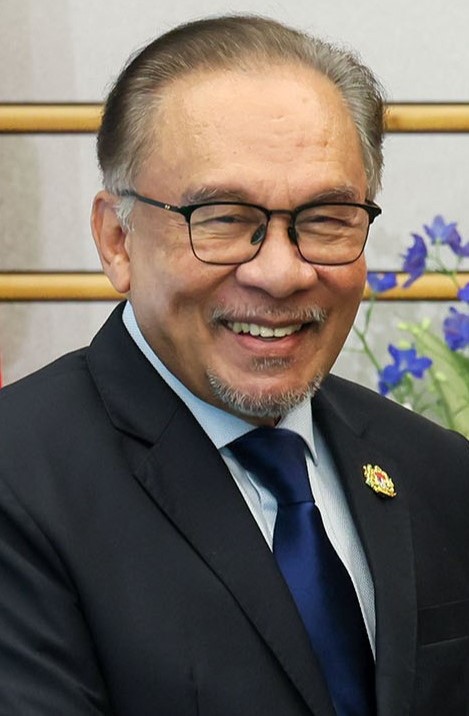
Malaysia and Bangladesh have committed to addressing the systemic challenges confronting migrant workers, with both nations' leadership emphasising the urgent need for fairer recruitment standards and expanded employment pathways. During high-level bilateral discussions, Prime Minister Anwar Ibrahim and Bangladesh Prime Minister Sheikh Hasina outlined a shared vision for tackling exploitation and mistreatment that have long plagued migrant labour corridors between the two countries.
The convergence of priorities reflects mounting pressure from both governments to reform an industry historically marred by abuse, debt bondage, and unsafe working conditions. For Malaysia, which hosts hundreds of thousands of Bangladeshi workers across construction, manufacturing, and domestic service sectors, the commitment signals a shift toward stricter oversight of labour practices. Bangladesh, as a major source nation for migrant workers, faces parallel challenges in ensuring adequate protections for its citizens deployed abroad and securing meaningful employment opportunities that can alleviate domestic unemployment pressures.
Prime Minister Anwar stressed that Malaysia's expanding economy requires a stable, equitably treated workforce to sustain growth across key industries. The emphasis on worker welfare reflects both humanitarian concerns and pragmatic economic calculations: abused and dissatisfied workers prove less productive and impose social costs through remittance leakage, family destabilisation, and potential security concerns. By prioritising dignified working conditions and transparent recruitment, Malaysia aims to create a more sustainable labour market architecture that benefits employers, workers, and the broader economy.
Bangladeshi Prime Minister Tarique Sheikh Hasina's call for expanded job opportunities underscores Bangladesh's twin objectives: creating pathways for citizens seeking overseas employment while retaining skilled workers for domestic development. Bangladesh's labour surplus remains a persistent challenge, with millions seeking work abroad annually to support families and generate foreign exchange. Yet the nation also recognises the economic value of retaining talent for infrastructure projects, manufacturing expansion, and technological advancement. The bilateral agenda thus balances diaspora employment with domestic labour market strengthening.
The demand for fairer recruitment processes addresses one of the most predatory dimensions of migrant labour: the fees and intermediaries that trap workers in debt cycles before they even arrive at destination countries. Malaysian authorities have previously documented cases where recruitment agents charged excessive fees or misrepresented job terms, leaving workers vulnerable to exploitation. Bangladesh similarly confronts rogue agents who mislead job-seekers about wages, contract conditions, and employer credibility. Joint action on recruitment standards could include credential verification systems, fee caps, contract transparency requirements, and enforcement mechanisms against fraudulent operators.
For Malaysian readers, this development carries direct relevance. Construction sites, palm oil estates, manufacturing plants, and households across the country depend heavily on migrant labour. Ensuring fair treatment reduces friction in supply chains, diminishes workplace accidents stemming from desperation or poor conditions, and maintains Malaysia's international reputation as a responsible employment destination. Conversely, continued exploitation risks reputational damage, regulatory sanctions from labour-exporting nations, and reduced labour availability as workers choose alternative destinations.
Regionally, the Malaysia-Bangladesh initiative sets a precedent for bilateral labour governance in Southeast Asia. Indonesia, Thailand, and the Philippines grapple with similar migrant worker issues, and any successful models emerging from Malaysian-Bangladeshi cooperation could influence broader ASEAN labour standards. The emphasis on institutional fairness rather than rhetorical commitment suggests both governments recognise that sustainable solutions require structural reform, not merely cosmetic gestures.
The expanded employment dimension extends beyond bilateral corridors. Bangladesh seeks recognition of its workers' qualifications in Malaysian professional and technical fields, potentially opening pathways in healthcare, engineering, and information technology. Malaysia benefits from accessing skilled labour pools in sectors facing domestic shortages. Mutual recognition of credentials, targeted skills training programmes, and dedicated visa pathways could transform the labour relationship from one centred on low-wage service roles to encompassing higher-value contributions.
Implementing these commitments requires institutional scaffolding: dedicated bilateral labour oversight bodies, regular audits of recruitment agencies, worker grievance mechanisms accessible to migrant employees, and penalties for non-compliant employers. Both nations must legislate or strengthen existing frameworks ensuring portable benefits, safe housing standards, fair wage systems, and protection against contract substitution. The effectiveness of any accord depends ultimately on enforcement capacity and political will to penalise powerful employers who resist compliance.
For Bangladesh, formalising recruitment standards and employment pathways offers secondary benefits beyond individual worker welfare. Reliable Malaysian employment reduces irregular migration, human trafficking risks, and remittance diversion through unlicensed channels. Formal channels deliver remittances efficiently, supporting Bangladesh's balance of payments and household economies. When workers migrate through transparent, protected processes, their earnings circulate more effectively through formal financial systems, benefiting development initiatives and tax revenues.
The bilateral commitment also reflects evolving geopolitical calculations. Bangladesh, under Sheikh Hasina's leadership, has deepened economic ties with Malaysia across investment, trade, and people-to-people exchange. Strengthening labour protections demonstrates tangible commitment to Bangladeshi interests, reinforcing bilateral relationships and positioning Malaysia as a preferred destination compared to Gulf states or other Asian competitors. For Malaysia, securing reliable labour supplies through ethical practices supports economic continuity and regional standing.
Moving forward, both governments must translate rhetorical commitment into actionable reform. Establishing timelines, funding mechanisms, enforcement protocols, and accountability structures separates genuine reform from performative diplomacy. Worker advocacy organisations, civil society monitors, and independent auditors should participate in oversight systems, providing transparency that builds confidence among migrant communities and source-nation constituencies.