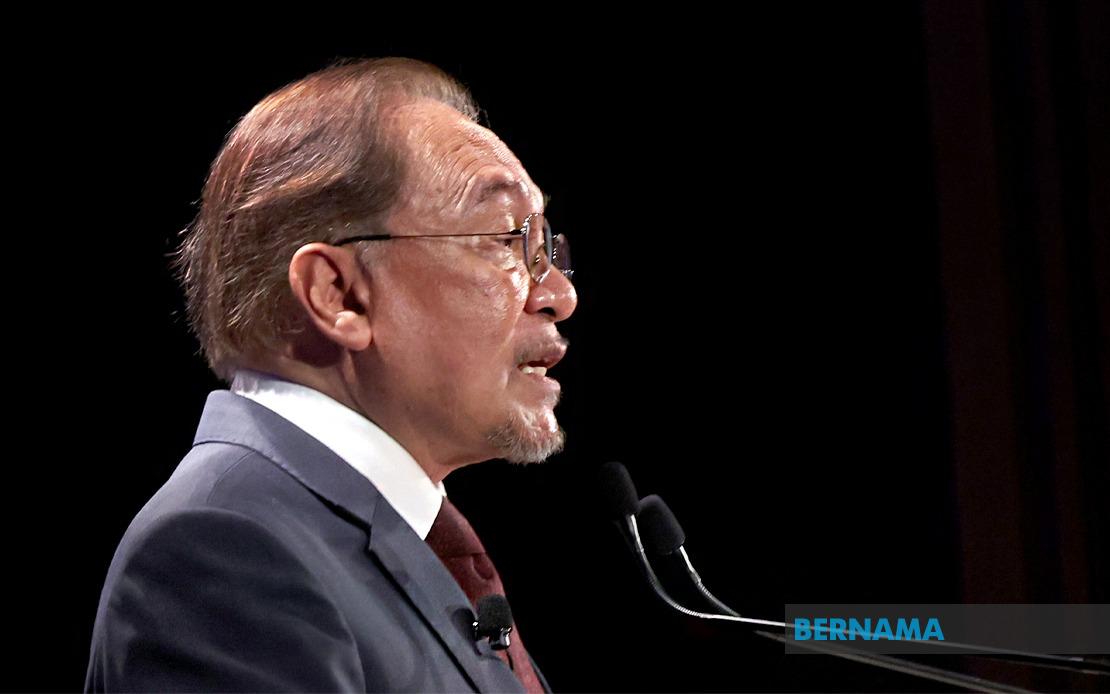
Prime Minister Datuk Seri Anwar Ibrahim has thrown Malaysia's weight behind the tentative understanding between the United States and Iran, viewing the diplomatic breakthrough as a potentially significant step toward reducing tensions in a region vital to Malaysian trade and energy security. Speaking at the 39th Asia-Pacific Roundtable in Kuala Lumpur, Anwar acknowledged the delicate nature of the emerging accord while emphasizing that sustained commitment from all parties remains essential for transforming preliminary agreements into lasting stability.
The Malaysian government's endorsement carries particular weight in Southeast Asia, where nations have long sought to maintain balanced relationships with major powers while avoiding entanglement in geopolitical conflicts. Anwar's measured response reflects Malaysia's traditional diplomatic posture of supporting dialogue and international law while recognizing the region's vulnerability to external shocks. His remarks underscore how conflicts between distant superpowers directly affect the economic welfare of countries across the Indian Ocean and beyond.
Anwar stressed that any durable peace framework must include ironclad adherence to all ceasefire provisions, with particular emphasis on restoring normal maritime traffic through the Strait of Hormuz. This waterway, which historically channeled approximately one-fifth of global oil supplies, had been subjected to various forms of disruption during the period of heightened tensions. The reopening of this critical chokepoint must be treated as an immediate priority, according to the Prime Minister, given its implications for global energy markets and international commerce.
The economic rationale behind Malaysia's position extends beyond symbolic support for peace. The Malaysian Prime Minister highlighted how prolonged conflict has inflated food and energy costs across the developing world, creating cascading effects on inflation and consumer purchasing power. Billions in financial resources that should have addressed poverty, healthcare, and education infrastructure have instead been consumed by emergency supply acquisition and security measures. For nations like Malaysia with limited fiscal buffers, such diversions represent genuine hardship rather than abstract economic data.
Anwar's observation that "these are not mere statistics on paper; they impact livelihoods" reflects the lived experience of ordinary Malaysians facing elevated costs for essentials. When global oil prices spike due to geopolitical instability, petroleum-dependent economies feel immediate pressure on government budgets, transport costs, and manufacturing expenses. The cumulative effect ripples through supply chains and household budgets, hitting lower-income populations hardest. This reality explains why Malaysia, despite its distance from the Middle East, maintains keen interest in regional stability and conflict resolution.
The Prime Minister also commended the instrumental roles played by Gulf Cooperation Council states, Türkiye, and Pakistan in brokering the emerging memorandum of understanding. This acknowledgment reflects the complex diplomatic ecosystem around Middle Eastern conflicts, where neighbouring countries and regional powers often serve as essential intermediaries. Qatar's public statements regarding positive progress in the indirect negotiations demonstrated that even when direct talks prove impossible, third-party facilitation can create pathways toward de-escalation. The involvement of multiple regional actors suggests broad recognition that continuing confrontation serves no constructive purpose.
However, Anwar injected a crucial note of caution into his remarks by emphasizing that peace prospects remain "fragile and vulnerable to sabotage." This realistic assessment acknowledges that preliminary understandings frequently unravel when subjected to domestic political pressures, hardline factions, or provocative incidents that reignite tensions. The history of Middle Eastern diplomacy contains numerous examples of agreements that collapsed under such pressures, making Anwar's warning neither pessimistic nor unusual but rather reflective of hard-earned experience.
The Asia-Pacific Roundtable, organized by the Institute of Strategic and International Studies Malaysia, provided an appropriate forum for such pronouncements given the organization's reputation for facilitating substantive dialogue on regional security challenges. The three-day gathering brought together policymakers, analysts, and academics focused on strategies for managing tensions and promoting cooperative frameworks across the Indo-Pacific region. Malaysia's prominent participation and Anwar's keynote address positioned the country as an engaged stakeholder in shaping regional responses to global conflicts.
For Malaysia specifically, the importance of US-Iran de-escalation extends beyond humanitarian or abstract principles of international law. Malaysian companies maintain commercial relationships throughout the Middle East, and Malaysian workers employed in the region face security risks when tensions escalate. Energy security remains a legitimate concern for a nation that imports petroleum to supplement domestic production. Additionally, instability in the Middle East historically drives refugee movements and security challenges that eventually reach Southeast Asian shores, making regional peace directly relevant to Malaysian national interests.
Anwar's balanced approach—welcoming progress while insisting on concrete implementation and expressing caution about durability—reflects the sophisticated diplomatic position Malaysia must maintain. As a Muslim-majority nation with historical ties throughout the Islamic world, Malaysia can engage constructively with both Western powers and Middle Eastern actors. This positioning allows Malaysian leaders to advocate for peace without appearing to favour any particular side, thereby preserving Malaysia's ability to mediate and maintain relationships across ideological divides.
The broader implication of Malaysia's support becomes apparent when considering Southeast Asia's vulnerability to external conflicts. Regional economies depend heavily on stable shipping lanes, predictable energy prices, and the absence of major power confrontations that force smaller nations to choose sides. Malaysia's endorsement of the US-Iran understanding thus serves a dual purpose: demonstrating commitment to global peace efforts while simultaneously protecting Malaysia's own economic and security interests in a region where stability remains perpetually contested.

