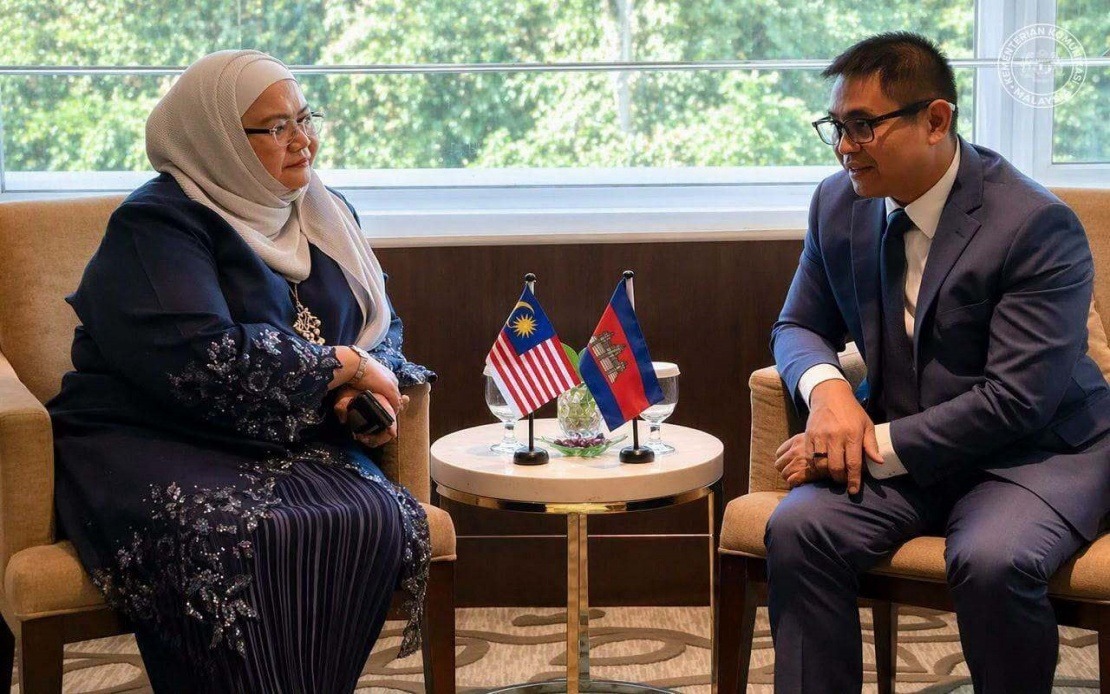
Malaysia and Cambodia are moving forward with concrete plans to expand their collaboration in the information and media sectors following high-level discussions held in Brunei this week. The bilateral engagement took place during the 23rd ASEAN Senior Officials Responsible for Information meeting in Bandar Seri Begawan, where officials from both nations reviewed progress on an MoU covering information exchange, media development, and related digital initiatives. The agreement, formally signed on June 20, marks a significant step in strengthening institutional ties between the two Southeast Asian neighbours at a time when media landscape challenges demand closer regional coordination.
The Malaysian delegation was led by Datuk Bahria Mohd Tamil, Deputy Secretary-General at the Ministry of Communications responsible for strategic communications and the creative industry portfolio. On Cambodia's side, Secretary of State Prak Thaveak Amida represented the Ministry of Information, demonstrating both countries' commitment to elevating these discussions to senior levels. The choice of high-ranking officials underscores the importance both governments attach to establishing robust mechanisms for collaboration, signalling that media and information cooperation is now a priority area within the bilateral relationship.
The original MoU was signed ad referendum by Malaysia's Communications Minister Datuk Fahmi Fadzil and Amida on behalf of Cambodia's Information Minister Neth Pheaktra during the National Journalists' Day celebration in Penang on June 20. This ceremony coincided with Malaysia's recognition of press freedom and the journalism profession, providing an apt backdrop for launching cooperation frameworks. The ad referendum signing process, which allows officials to execute agreements pending formal ratification by their respective governments, indicates that both parties are confident about parliamentary or cabinet approval, allowing implementation to begin promptly.
Beyond the ceremonial aspects, the substantive agenda emerging from this week's meeting reveals the scope of ambition underlying the partnership. Officials discussed mechanisms for coordinating information exchange between government bodies, establishing channels through which both nations can share insights on media trends, regulatory developments, and journalistic standards. This exchange dimension proves particularly relevant in an era when misinformation crosses borders instantaneously, and coordinated communication becomes essential for protecting public discourse integrity within each nation.
Media development constitutes another pillar of the cooperation framework. Both Malaysia and Cambodia face similar challenges in modernising their information ecosystems, upgrading broadcasting infrastructure, and enhancing professional standards across newsrooms and production facilities. Through the MoU, both countries gain opportunities to study each other's approaches to training journalists, establishing fact-checking mechanisms, and promoting editorial excellence. Such knowledge-sharing could accelerate reform efforts within Cambodia's information sector while allowing Malaysia to benchmark its own practices against regional peers.
Digital transformation emerged as a particularly significant discussion point during the bilateral meeting, reflecting the global acceleration of media consumption through digital platforms. Malaysia and Cambodia acknowledged the necessity of jointly addressing how traditional and online media ecosystems intersect, how digital literacy initiatives can be coordinated across borders, and how regulatory frameworks can evolve responsibly in response to technological change. This focus suggests both countries recognise that isolated digital media policies prove ineffective when content flows freely across national boundaries, making cross-border coordination strategically essential.
The emphasis on information integrity and combating misinformation warrants particular attention for readers throughout Southeast Asia. Both Malaysia and Cambodia have experienced challenges with false narratives spreading through social media, undermining public confidence in official communications and potentially destabilising social cohesion. By establishing formal channels for cooperation on fact-checking, verification protocols, and rapid-response mechanisms to counter false information, the two nations are taking proactive steps to protect their information environments. This cooperation also implicitly strengthens ASEAN's collective capacity to address regional misinformation challenges, as momentum from bilateral partnerships often catalyses broader multilateral initiatives.
The Malaysian Ministry of Communications framed this partnership as advancing both sectoral modernisation and people-to-people understanding. The statement emphasising deepened friendship alongside institutional cooperation reflects a diplomatic approach recognising that media and information sectors serve not merely bureaucratic functions but also cultural and social roles in strengthening mutual comprehension between nations. Journalists, broadcasters, and media professionals from both countries stand to benefit from expanded networking opportunities and professional development possibilities.
For Malaysia specifically, this MoU with Cambodia represents a broader strategy of positioning itself as a regional thought leader in media governance and digital communication policy. By establishing such partnerships with neighbouring states, Malaysia creates platforms to export its approaches and standards while learning from peer experiences. The timing also aligns with Malaysia's emphasis on strengthening ASEAN institutions and bilateral relationships across Southeast Asia, particularly with countries like Cambodia that have historically maintained close ties.
Looking forward, the success of this partnership will depend on translating high-level commitments into operational mechanisms. Officials from both countries will need to establish working groups addressing specific sectors, develop concrete timelines for knowledge-sharing exchanges, and allocate budgets for joint projects. Early implementation priorities likely include hosting delegations of journalists and media professionals, establishing collaborative training programmes, and creating feedback mechanisms through which both governments can refine their approaches based on practical experience.
The broader context for this cooperation involves ASEAN's collective interest in strengthening information governance across the region. Cambodia's participation in this bilateral framework with Malaysia, coupled with similar efforts other ASEAN members are pursuing, contributes to building a network of inter-governmental media cooperation arrangements. These bilateral efforts, when coordinated, can support ASEAN's overarching objectives of ensuring that information systems serve community interests and that press freedom remains compatible with social stability.
For media professionals and communications policymakers throughout Malaysia and Southeast Asia, this MoU represents an opportunity to engage with formalised mechanisms for regional professional collaboration. The agreement validates the importance of cross-border learning in media sectors and demonstrates that governments increasingly recognise media development as a strategic priority requiring coordinated international engagement. As implementation proceeds, this partnership could generate valuable lessons applicable to media cooperation efforts elsewhere in the region.

