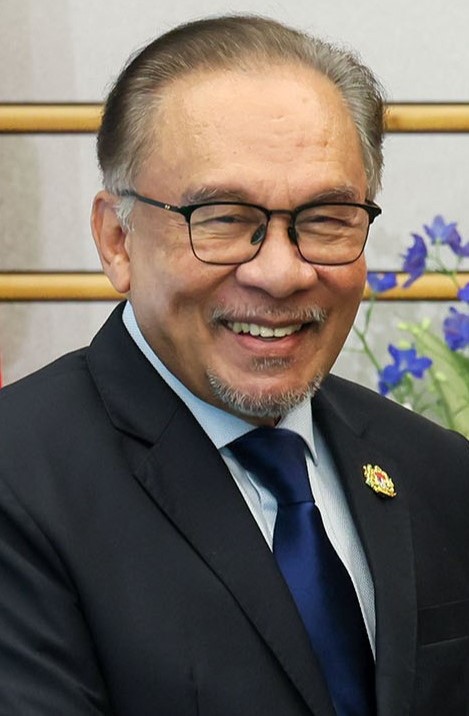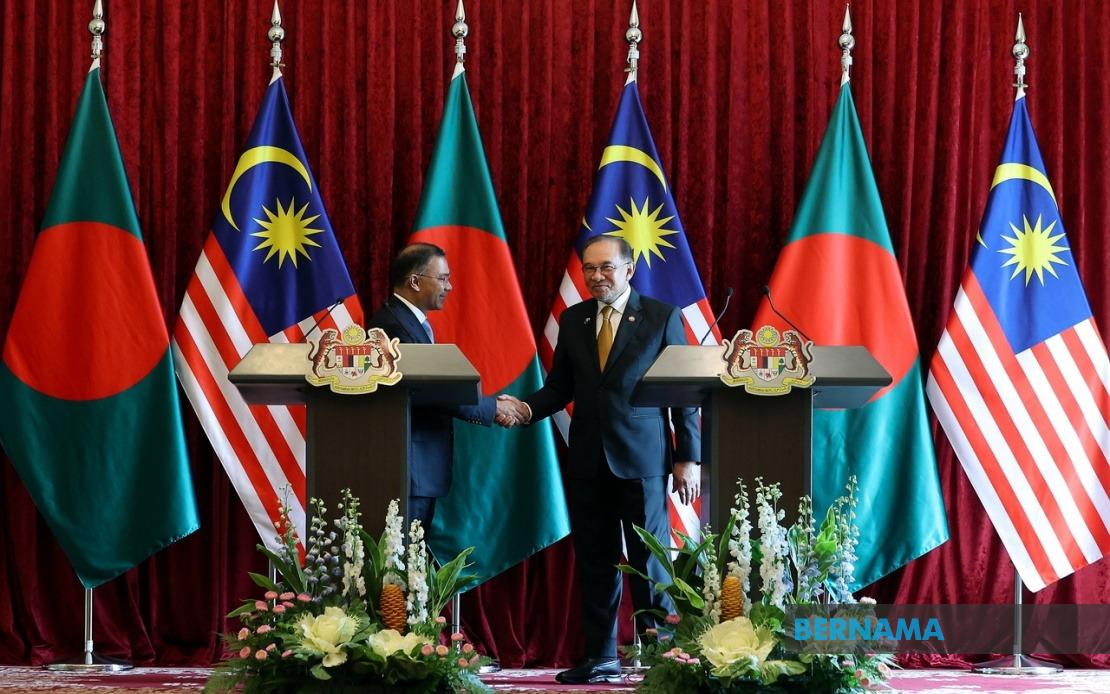
During bilateral talks in Putrajaya on June 22, Malaysia and Bangladesh reached a consensus that the systematic exploitation and mistreatment of migrant workers represents an unacceptable breach of human dignity that both nations must actively work to eliminate. Prime Minister Datuk Seri Anwar Ibrahim and Bangladesh Prime Minister Tarique Rahman publicly committed to elevating labour standards and worker protections through enhanced cooperation between their governments, signalling a potential turning point in addressing longstanding complaints from rights advocates about abusive recruitment practices and poor working conditions across Malaysia's labour-dependent sectors.
Anwar underscored during the joint press conference that foreign workers have become indispensable to Malaysia's continued economic development, yet this dependence has simultaneously created structural vulnerabilities that allow unscrupulous operators to prey on desperate job seekers. The Prime Minister acknowledged that the reliance on migrant labour has spawned numerous controversies centred on humanitarian violations, ranging from wage theft and document confiscation to hazardous working conditions and physical abuse. His recognition of these systemic failures marks an important diplomatic acknowledgement that Malaysia's economic success cannot be divorced from questions of worker welfare and moral responsibility.
Central to Anwar's position is the conviction that both nations must jointly lead efforts to curtail abuses by establishing more rigorous transparency mechanisms within recruitment pipelines. He emphasised that the current system, while generating significant remittances for Bangladesh and filling critical labour shortages in Malaysia, has become compromised by intermediaries and agents who profit from worker vulnerability. The Prime Minister called for reforms that would ensure recruitment processes meet the regulatory standards of both countries and that workers entering Malaysia have genuine understanding of their employment terms and legal protections before departure.
The commitment to protect workers and their families extends beyond Malaysia's borders, recognising that exploitation disrupts entire household economies in Bangladesh and creates long-term social costs in both nations. Anwar's framing of worker protection as a bilateral rather than unilateral responsibility suggests recognition that Bangladesh, as the labour-exporting nation, has legitimate interests in ensuring its citizens are treated fairly abroad and that recruitment agencies operating from Bangladeshi soil are held accountable for fraudulent practices.
Tarique, for his part, advanced Bangladesh's broader economic interests by requesting that Malaysia substantially expand recruitment of Bangladeshi workers and expedite the reopening of its labour market. Bangladesh faces persistent challenges of unemployment and underemployment, making overseas remittances a crucial lifeline for millions of families. The Prime Minister's appeal reflects the political pressure within Bangladesh to secure more foreign employment opportunities, even as concerns about worker safety abroad remain substantial. This dual interest—maximising labour exports while protecting workers—creates inherent tensions that both governments must navigate carefully.
Malaysia's labour market has historically depended heavily on foreign workers to sustain sectors including manufacturing, construction, agriculture, and domestic service. The country hosts millions of migrant workers, many from Bangladesh, Indonesia, and other Southeast Asian nations. Recent years have witnessed periodic closures and restrictions on labour recruitment as Malaysian authorities respond to scandals involving trafficking networks, wage violations, and deplorable housing conditions. These restrictions, while intended to curb abuses, have also disrupted Malaysia's economic operations and forced employers to seek alternative solutions.
The reopening of Malaysia's labour market, which Tarique requested, would have significant regional implications beyond bilateral relations. Other labour-exporting nations in Southeast Asia, particularly Indonesia and the Philippines, would likely observe how Malaysia implements any new recruitment frameworks. If Malaysia successfully introduces more transparent and protective mechanisms, it could establish a regional model that elevates standards across the industry. Conversely, if reforms prove superficial, scepticism about Malaysia's commitment to worker welfare would deepen among competing labour-source countries.
The diplomatic language emphasising joint leadership in stopping labour exploitation represents a modest but meaningful shift from previous approaches that treated worker protection as a domestic Malaysian matter or relegated it to private sector responsibility. By positioning both governments as active stakeholders in reform, the bilateral agreement creates space for institutionalised cooperation, potentially including joint inspection regimes, mutual regulatory recognition, and coordinated enforcement against trafficking networks operating across both countries.
However, translating these commitments into tangible improvements faces substantial obstacles. Malaysia's recruitment infrastructure involves numerous private agencies, many operating with minimal oversight, and powerful employer lobbies that resist labour standards increases. Bangladesh's own regulatory capacity to monitor agents and prevent fraudulent recruitment remains limited. Deep-rooted corruption and the financial incentives driving the exploitation system mean that voluntary compliance without robust enforcement mechanisms will likely prove insufficient.
The bilateral agreement also occurs within broader Southeast Asian migration dynamics, where competition for workers among receiving countries sometimes undermines collective efforts to establish higher standards. If Malaysia alone tightens regulations while neighbouring countries maintain more permissive approaches, employers may simply shift recruitment to those alternatives, potentially worsening conditions for workers in less regulated destinations.
For Malaysian readers and regional observers, the significance lies in whether this diplomatic commitment translates into measurable institutional changes that demonstrably reduce worker exploitation. Previous pledges on this issue have yielded limited concrete results, making scepticism warranted. The test will come through monitoring recruitment transparency, establishing independent verification mechanisms, creating effective complaint channels for workers, and imposing meaningful penalties on violators. The agreement provides a foundation, but sustained political will and resource allocation remain essential for genuine transformation.