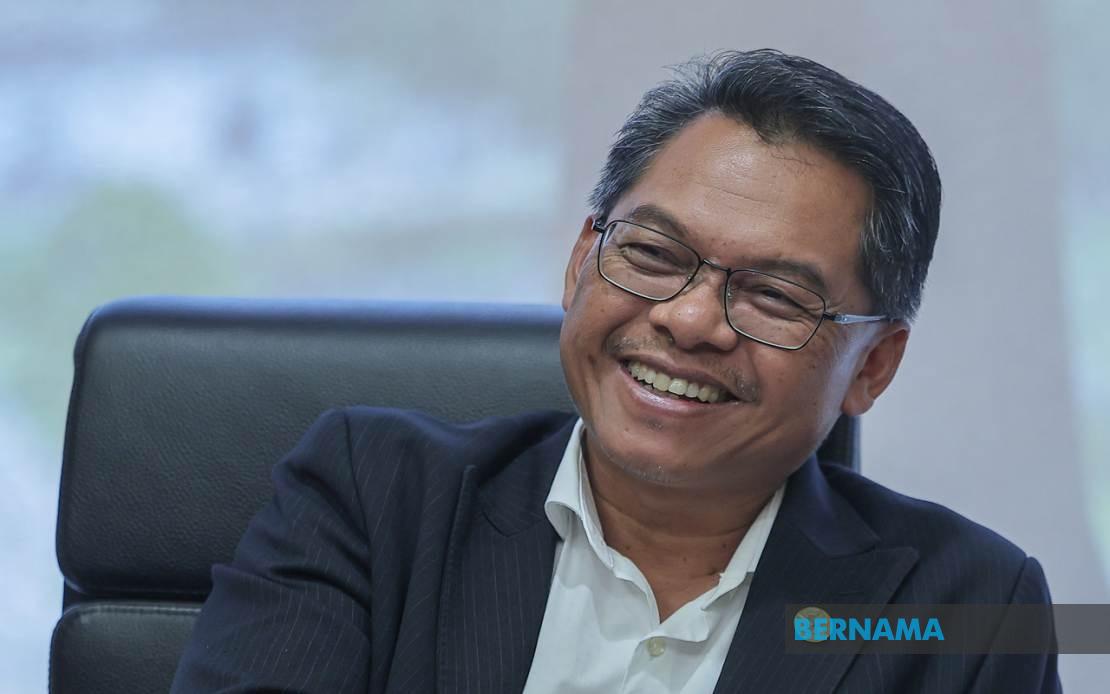
The Technical Committee overseeing the Malaysia Agreement 1963 (MA63) has issued a directive requiring all federal ministries and agencies to treat the resolution of outstanding matters as an urgent priority. Datuk Mustapha Sakmud, the Minister in the Prime Minister's Department responsible for Sabah and Sarawak affairs, convened the meeting in Putrajaya on August 3 and stressed the need for expedited action to clear the backlog of unimplemented provisions before Prime Minister Datuk Seri Anwar Ibrahim conducts a comprehensive review next month.
The MA63 Implementation Action Council (MTPMA63) exists to oversee the execution of commitments embedded in the 1963 agreement that founded Malaysia by bringing Sabah and Sarawak into the federation alongside Peninsular Malaysia. Decades of implementation delays have created grievances in both Borneo states, particularly regarding autonomy over specific policy domains and revenue sharing arrangements. The current administration has positioned itself as committed to resolving these longstanding tensions through structured dialogue and measurable progress.
During the technical committee session, members reviewed the current status across multiple fronts and prepared briefing materials for the Prime Minister's upcoming meeting with stakeholders. This layered governance structure—with technical committees feeding into the main MTPMA63 body, which then reports to the Prime Minister—reflects the complexity and sensitivity of MA63 implementation. Each level is tasked with deepening consensus and building momentum toward concrete deliverables rather than allowing negotiations to stall at bureaucratic bottlenecks.
Among the strategic priorities discussed was the Borneonisation of the public service, a significant issue for both Sabah and Sarawak. This initiative aims to ensure that state residents occupy a meaningful proportion of civil service positions within their respective states, addressing long-standing demographic imbalances in the federal bureaucracy. Closely related are efforts to narrow healthcare disparities between Borneo and other regions, as well as targeted education sector reforms designed to strengthen institutional capacity and outcomes in schools and universities across Sabah and Sarawak.
Mustapha emphasised that collaborative engagement through dedicated working committees has demonstrated the viability of achieving substantial progress when all parties approach discussions with trust and respect for each other's interests. This rhetorical framing underscores a significant shift from the confrontational tone that sometimes characterised earlier MA63 deliberations. The government is attempting to position itself as a neutral arbiter balancing federal and state prerogatives rather than as a unilateral imposer of policy.
Two recent achievements highlight the administration's track record on MA63 implementation. Sabah's Special Grant under Article 112D of the Federal Constitution was increased to RM1.5 billion for the current fiscal year, representing a meaningful boost to the state's fiscal resources. Additionally, the Sarawak government successfully received control of Bintulu Port on July 21, transferring ownership and management authority of a strategically important maritime facility from federal hands to the state. These moves carry symbolic weight beyond their immediate economic implications, signalling federal acknowledgement of state-level demands for greater autonomy and revenue control.
The timing of these announcements matters considerably. With state elections potentially on the horizon across Malaysia, particularly in Peninsular Malaysia, the federal government has incentive to demonstrate tangible progress on MA63 commitments. In Sabah and Sarawak specifically, electoral politics often revolve around how effectively state leaders can extract concessions from Kuala Lumpur. By rolling out concrete victories—additional grant money, port transfers, and accelerated implementation timelines—the government positions itself as responsive to Borneo concerns.
For Malaysian observers and regional analysts, the MA63 process represents a broader test case for how federated systems manage centre-state tensions in a globalised, increasingly decentralised political environment. Sabah and Sarawak possess significant natural resources, including petroleum, timber, and agricultural land, giving them leverage in negotiations with the federal centre. When these states feel their interests are being respected, political stability and economic cooperation improve. Conversely, perceived federal overreach historically triggered political turbulence and threatened Malaysia's cohesion.
The committee's directive to prioritise outstanding issues reflects awareness that further delays risk eroding goodwill. Unresolved matters—whether concerning education funding allocation, healthcare infrastructure investment, or civil service recruitment procedures—accumulate grievances and provide ammunition to opposition parties and state-level competitors seeking to portray the federal government as indifferent to Borneo welfare. By establishing concrete timelines and assigning explicit responsibility to ministries, the MTPMA63 Technical Committee is attempting to create accountability.
The Prime Minister's scheduled meeting next month will serve as a critical juncture. Success would be measured not merely by rhetorical commitments but by demonstrable progress: signed agreements, released funds, transferred assets, and enacted legislative reforms. The political cost of further delays is rising, particularly given the heightened expectations the current administration has itself created through public statements emphasising MA63 as a priority.
Within Southeast Asia, Malaysia's approach to honouring constitutional agreements with constituent states carries broader implications. Thailand, the Philippines, and Indonesia all grapple with centre-periphery tensions, resource disputes, and questions about decentralisation. How Malaysia manages the MA63 implementation process may influence regional thinking about federalism, state autonomy, and the mechanics of managing diversity within nominally unified political systems. Malaysia's success in delivering on these commitments could strengthen democratic legitimacy; failures might reinforce narratives about persistent inequality and unequal federalism.

