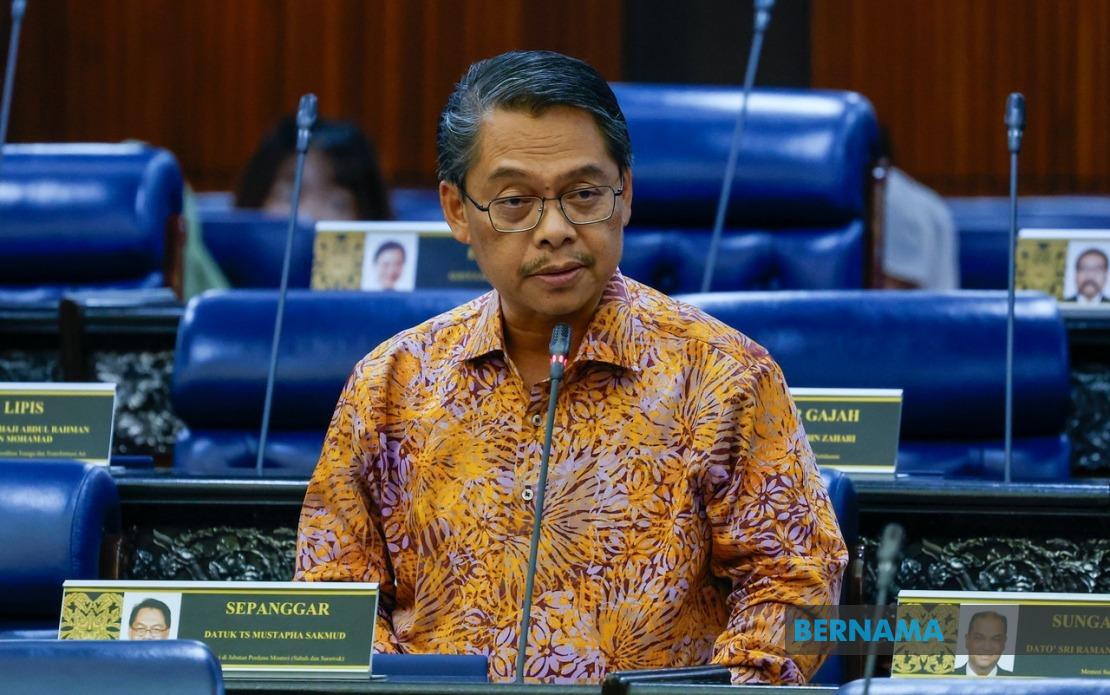
The Malaysia Agreement 1963 negotiation process has moved forward incrementally, with federal authorities reporting that nearly half of the outstanding matters have now reached some form of resolution. Datuk Mustapha Sakmud, Minister in the Prime Minister's Department overseeing Sabah and Sarawak Affairs, disclosed during parliamentary proceedings that thirteen substantive issues from the original twenty-nine under discussion have been completely settled, while a further five have achieved what officials term interim or partial resolution following deliberations conducted at a Technical Committee meeting in early March.
The interim breakthroughs involve four key policy areas that remain particularly complex for alignment between Putrajaya and the two East Malaysian states. These centre on expanding employment opportunities within state-level public services under the framework of Article 112 of the Federal Constitution, alongside parallel discussions regarding healthcare delivery, educational governance, and the so-called Borneonisation initiative that seeks greater representation of East Malaysians within federal administrative structures operating in their respective territories. The significance of these interim designations lies in their acknowledgment that substantive progress has occurred even where full consensus remains elusive, suggesting movement within previously deadlocked conversations.
The remaining eleven unresolved matters continue to occupy attention across multiple governmental layers. The Sabah and Sarawak Affairs Division, functioning as the formal secretariat for these negotiations, maintains ongoing oversight in coordination with relevant federal and state-level stakeholders. This structured institutional approach reflects the complexity inherent in harmonising the expectations of federal authorities with the distinct developmental priorities and constitutional protections that Sabah and Sarawak secured when they joined Malaysia in 1963. The extended timeline suggests that officials are proceeding methodically rather than pursuing rapid resolution that might sacrifice substantive gains for either party.
One persistently contentious matter involves the long-standing demand from East Malaysian representatives to increase parliamentary representation to achieve a thirty-five percent quota within the Dewan Rakyat. This issue remains fundamentally unresolved and continues to generate considerable political discussion, particularly among parliamentarians representing constituencies in Sabah and Sarawak who view enhanced legislative representation as essential to adequately protecting regional interests within national policymaking processes. The parliamentary representation question has emerged as emblematic of broader East Malaysian concerns regarding demographic influence in shaping federal policy priorities.
The constitutional and procedural obstacles impeding progress on parliamentary representation are formidable and deliberately built into Malaysia's constitutional architecture. Any electoral redelineation exercise falls exclusively within the purview of the Election Commission and can only proceed following the completion of an eight-year boundary review cycle, a provision that effectively constrains the temporal flexibility of electoral reforms. Beyond these procedural limitations, Mustapha explained that expanding parliamentary representation would require constitutional amendments specifically targeting the composition of the Dewan Rakyat under Article 46, a modification demanding supermajority endorsement from two-thirds of house members—a threshold that significantly raises the political consensus required for implementation.
The procedural requirements surrounding potential constitutional amendments underscore the structural challenges confronting any dramatic expansion of East Malaysian parliamentary power. The two-thirds majority requirement ensures that such changes cannot proceed through simple partisan advantage but instead necessitate cross-party consensus on matters of constitutional principle. This high bar reflects longstanding constitutional arrangements established at independence and reflects the broader tension between protecting minority regional interests and maintaining federal coherence across a diverse nation. For Sabah and Sarawak, these procedural complexities have historically meant that even sympathetic federal administrations face substantial obstacles in delivering on representational demands.
The distinction between fully resolved matters and those classified as interim carries meaningful implications for how the MA63 process will unfold. Full resolution suggests conclusive agreements where implementation can proceed immediately, whereas interim status typically indicates that governing frameworks have been established pending further technical refinement or resource allocation. The concentration of interim designations around public service expansion and Borneonisation initiatives suggests these areas involve ongoing negotiations regarding implementation mechanisms and resource commitments rather than disagreement over fundamental principles. Mustapha's framing of interim matters as representing meaningful progress rather than stalled discussions attempts to position the negotiations as maintaining momentum despite unresolved complexities.
For Malaysian observers and particularly residents of Sabah and Sarawak, the progress reported represents modest advancement in a negotiation process that has extended across multiple parliamentary terms without yielding the transformative outcomes that some East Malaysian political voices had anticipated. The Malaysia Agreement 1963 itself constituted a historic compact under which the two states joined the Federation on specific terms intended to preserve distinctive constitutional arrangements and developmental autonomy. Subsequent decades have witnessed periodic tensions between federal authorities seeking to standardise governance practices and East Malaysian leaders insisting on the distinct protections embedded within the agreement. The current negotiation framework represents an attempt to reconcile these competing imperatives through systematic dialogue rather than unilateral federal action.
The implications of this measured progress extend beyond immediate administrative adjustments to touch on fundamental questions regarding federalism and power distribution within Malaysia's constitutional structure. East Malaysia's demographic weight relative to its political influence has long generated grievances, with population concentration in Peninsular Malaysia translating into disproportionate influence within national institutions. Parliamentary representation represents the most visible manifestation of this imbalance, making the present deadlock on seat expansion particularly contentious for regional political leaders who perceive their constituents as persistently under-represented in national affairs. The technical procedural obstacles, while constitutionally legitimate, appear to many East Malaysians as structural barriers preventing meaningful representation enhancement.
Moving forward, the negotiation process faces the challenge of sustaining momentum on the remaining eleven unresolved matters while confronting the fundamental representational question that shows no immediate pathway toward resolution. The federal government's establishment of a dedicated technical committee and secretariat signals commitment to systematic resolution, yet the persistence of contentious issues after extended discussion suggests that some matters involve genuine conflicts of interest rather than mere technical complexity. Whether the interim designations ultimately translate into fully settled arrangements remains uncertain, as does the ultimate trajectory of the broader MA63 dialogue that remains central to East Malaysian political discourse and federal-state relations within the Malaysian federation.

