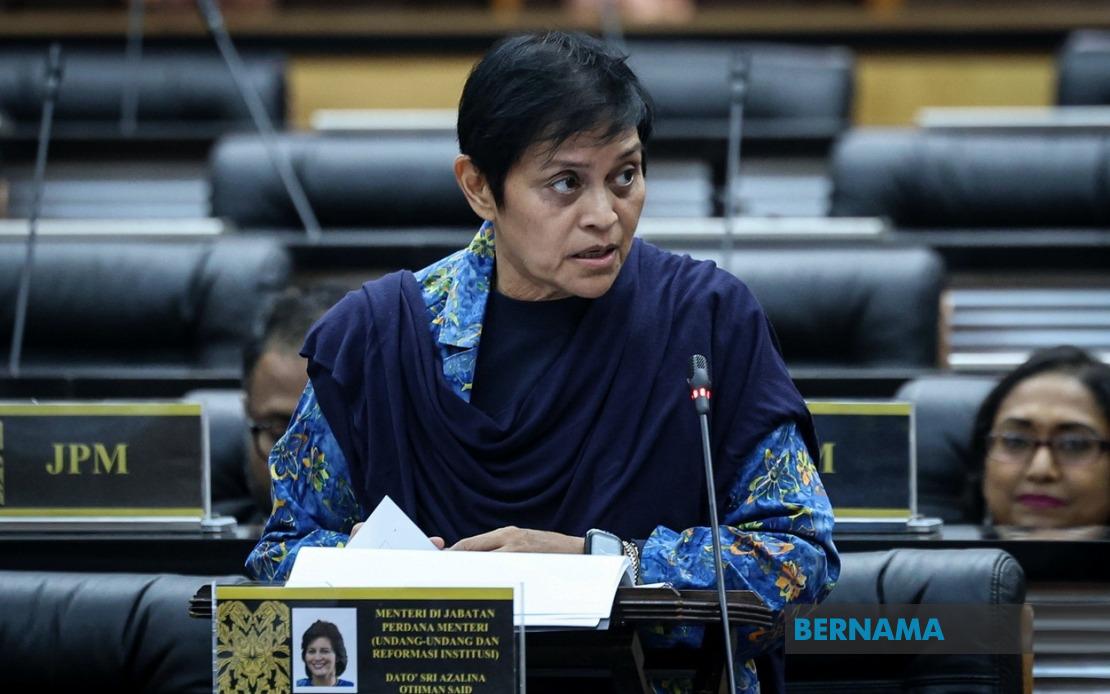
The Malaysian government has moved to strengthen its witness protection framework through the Witness Protection (Amendment) Bill 2026, which received its first reading in the Dewan Rakyat on July 13. The legislation, introduced by Minister in the Prime Minister's Department (Law and Institutional Reform) Datuk Seri Azalina Othman Said, is positioned to undergo its second reading during the current parliamentary sitting and represents a meaningful refinement of the existing 2009 regime.
At its core, the amendment package addresses a critical gap in Malaysia's legal architecture: the protection of child witnesses and other vulnerable persons who cannot independently apply for programme participation. By inserting the phrase "or lacks legal capacity" into Section 7(3) of the Witness Protection Act 2009, the Bill empowers parents and guardians to initiate protection on behalf of minors under eighteen years of age as well as adults with documented incapacity. This expansion reflects international best practice in recognising that effective witness protection systems must accommodate the full spectrum of potential applicants, particularly those whose circumstances demand heightened safeguarding.
The introduction of formalised written agreements between programme participants and the government represents another structural innovation. Under the proposed Section 10A, every participant—or their authorised representative—must execute a comprehensive agreement before a designated officer that clearly delineates the terms, conditions, protective measures, assistance provisions, and mutual obligations inherent to the programme. This contractual clarity reduces ambiguity about expectations and entitlements, establishing transparent parameters that govern both the state's responsibilities and the participant's conduct during their time in the scheme. Such documentation also creates an audit trail essential for accountability and dispute resolution.
Recognising that many existing arrangements predate this legislative reform, the Bill incorporates transitional provisions through proposed Section 10B. These safeguards ensure that agreements already in force between current programme participants and the government remain valid and enforceable without interruption or the need for re-execution. Simultaneously, both parties retain their substantive rights and benefits under the amended statutory framework, preventing retroactive diminishment of protections previously granted. This approach balances legislative modernisation with contractual stability, a pragmatic necessity given Malaysia's active witness protection caseload.
Psychological and emotional support emerges as the third transformative element within this reform package. The Bill specifically amends Section 13(2) of Act 696 to formally recognise psychological assistance, encompassing counselling services, as a permissible form of support available to programme participants. This recognition acknowledges the traumatic dimensions of witness involvement in criminal proceedings and the toll that relocation, anonymity, and ongoing security measures exact on mental health. By establishing psychological support as a statutory entitlement rather than a discretionary benefit, the legislation signals government commitment to holistic protection extending beyond physical safety to psychological well-being—particularly important for witnesses testifying in cases involving organised crime, corruption, or violence.
The broader context of this amendment reflects Malaysia's evolving judicial and law enforcement priorities. Effective witness protection systems underpin prosecutorial capacity, particularly in high-stakes cases involving organised crime syndicates, corruption networks, and serious violence. Witnesses willing to testify—and feeling confident in their safety—substantially enhance conviction rates and deter criminal organisations. Southeast Asia has witnessed intensified efforts by transnational criminal enterprises targeting witnesses and their families; strengthening Malaysia's statutory protections therefore carries practical operational significance for counterintelligence and anticrime agencies.
From a constitutional perspective, these amendments harmonise Malaysia's witness protection regime with international standards and regional peer practices. Commonwealth jurisdictions and ASEAN neighbours have progressively recognised that witness vulnerability—whether arising from age, mental capacity, or social marginalisation—demands tailored procedural accommodations. Malaysia's legislative refinement positions the country alongside more comprehensive frameworks whilst remaining firmly rooted in the domestic legal tradition established by the 2009 Act. The parliamentary pathway, including the committed second reading during the current sitting, suggests cross-party consensus on this protective agenda.
The practical implications for Malaysian law enforcement and the judiciary are substantial. Investigators and prosecutors will possess clearer statutory authority to incorporate vulnerable witnesses into protection programmes without procedural obstructions. Courts handling cases involving child witnesses or adults with diminished capacity will have confidence in the protective infrastructure supporting vulnerable testimony. Criminal organisations, conversely, face an enhanced barrier to intimidation—the expanded accessibility and formalised safeguards create fewer exploitable loopholes.
For Malaysia's standing within the international community, particularly regarding United Nations conventions on child protection and human rights, this amendment demonstrates legislative responsiveness to evolving standards. Regional cooperation in prosecuting transnational crimes—human trafficking, narcotics trafficking, terrorism financing—increasingly depends on cross-border witness cooperation and the credibility of each jurisdiction's protection assurances. Malaysia's upgraded statutory framework enhances its capacity to attract witness cooperation from neighbouring jurisdictions whilst offering reciprocal protections for foreign witnesses testifying in Malaysian proceedings.
Implementation challenges will inevitably emerge following enactment. Designated officers requiring training in psychological assessment and support provision, secure facilities meeting expanded capacity demands, and coordination with mental health professionals all constitute resource implications. The Ministry responsible for witness protection will need adequate budgetary allocation and inter-agency cooperation to operationalise these statutory entitlements effectively. Transparent performance metrics and periodic legislative review will prove essential to evaluating whether the enhanced protections translate into meaningful improvements in witness safety and programme effectiveness.
The amendment also carries symbolic weight signalling governmental prioritisation of vulnerable populations within the criminal justice system. Child witnesses and adults lacking legal capacity represent society's most defenceless participants in proceedings that demand their cooperation; legislative recognition of their specific needs reflects foundational commitments to justice access and human dignity. By removing procedural barriers and formalising support mechanisms, Malaysia advances a criminal justice model that accommodates human vulnerability rather than perpetuating systems designed for unencumbered, autonomous participants.

