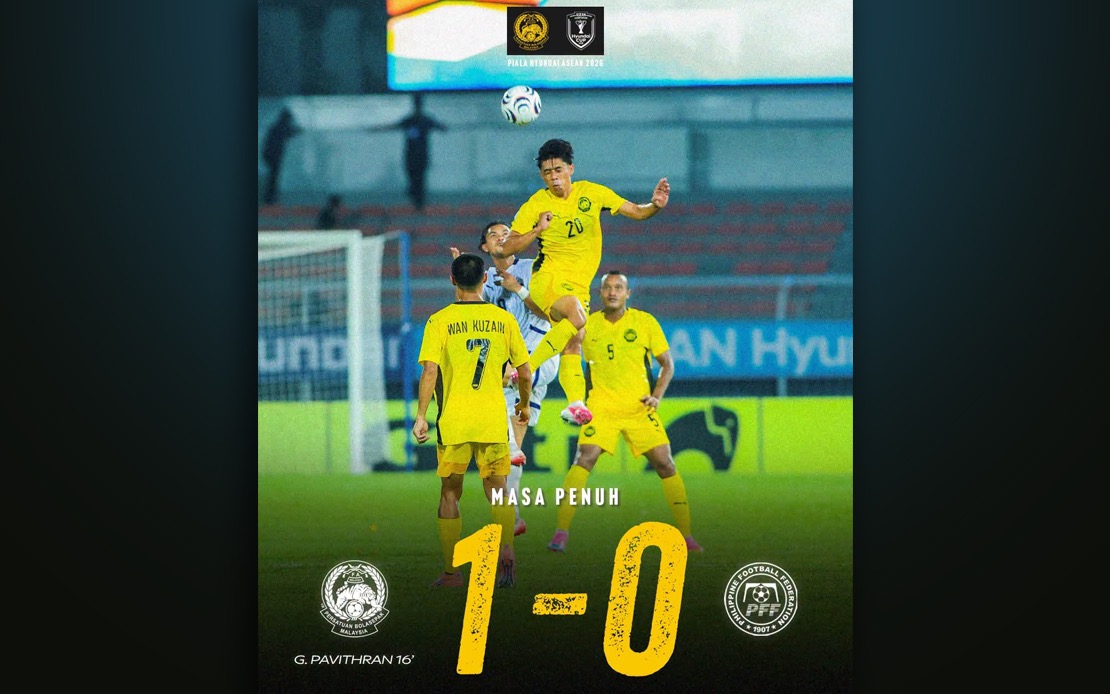
Malaysia's national football team has booked their place in the semi-finals of the 2026 ASEAN Cup following a decisive 1-0 triumph over the Philippines in their final Group B encounter. The match, played on August 8 at the Kuala Lumpur Football Stadium in Cheras, was crucial for securing a knockout round position, and interim head coach Tan Cheng Hoe's side delivered a composed performance that drew considerable local support to the 18,000-capacity venue.
With all three points essential for progression, the Harimau Malaya entered the fixture with clear intent. The home crowd, clad predominantly in the national black and yellow colours, provided vocal backing throughout the evening, creating an electric atmosphere that visibly energised the Malaysian contingent. This home advantage proved instrumental in Malaysia's ability to maintain tactical discipline and execution across the ninety minutes.
The breakthrough arrived early when midfielder Wan Kuzain Wan Ahmad Kamal delivered a well-placed cross into the Philippines penalty area during the 16th minute. Defender-turned-forward G. Pavithran rose above the opposition's backline to guide a decisive header past the goalkeeper, handing Malaysia the lead. This goal established the match's trajectory and provided the platform for Malaysia to control possession and dictate play in the opening period.
Following their advantage, the Harimau Malaya effectively managed the game's tempo, resisting the Philippines' attempted responses whilst creating additional scoring opportunities. Despite coach Carles Cuadrat's organised Philippine team pressing for an equaliser before the interval, they found the Malaysian defence resolute and composed. The visitors failed to breach the backline, with the half-time whistle sounding with Malaysia firmly in command.
The second half witnessed a notable shift in intensity as the Philippines emerged with increased attacking ambition, seeking to restore parity in the contest. However, Malaysia's defensive unit, anchored by captain Paulo Josue, proved equal to the challenge. The backline's collective resilience frustrated Philippine offensive moves repeatedly, with defenders like Jaime Rosquillo limiting Malaysian opportunities on the other flank.
Malaysia came close to adding a second goal in the 85th minute when Pavithran latched onto a low cross delivered from the wing. However, the opportunity went begging when his effort was successfully blocked by Philippines defender Jaime Rosquillo just as Pavithran prepared to strike. This miss proved inconsequential, as the Harimau Malaya successfully maintained their single-goal advantage through to the final whistle.
The victory propelled Malaysia to second position in Group B with nine accumulated points, a tally sufficient to confirm their progression to the semi-finals. Thailand's position as group champions was never in doubt after accumulating twelve points, which they secured through a separate 2-0 defeat of Myanmar in the evening's other Group B fixture. The War Elephants' superior goal difference and additional win ensured top seeding within the group stage.
Malaysia's path through the knockout rounds has been determined by their group performance and head-to-head records. The Harimau Malaya will confront the defending champions Vietnam, who topped Group A, in a two-leg semi-final encounter scheduled for August 16 and August 19. This matchup represents a significant challenge, as Vietnam enters as tournament favourites and the side to beat, having demonstrated superiority in their group stage campaign.
The upcoming semi-final tie carries substantial implications for Malaysian football. A progression against Vietnam would represent a notable achievement given the Vietnamese team's status as defending champions and their proven pedigree at regional level. Conversely, defeat would conclude what has nonetheless been a respectable campaign for the Tan Cheng Hoe administration, demonstrating measurable tactical improvement and squad cohesion compared to previous regional tournaments.
For regional football observers, Malaysia's qualification underscores the competitive nature of Southeast Asian football at present. The emergence of the Harimau Malaya as Group B runners-up validates the national coaching structure's investment and suggests that Malaysian football remains capable of competing at the highest regional echelon. The semi-final matchup against Vietnam will provide a definitive assessment of whether recent improvements represent sustainable progress or merely a respectable performance within a favourable group composition.

