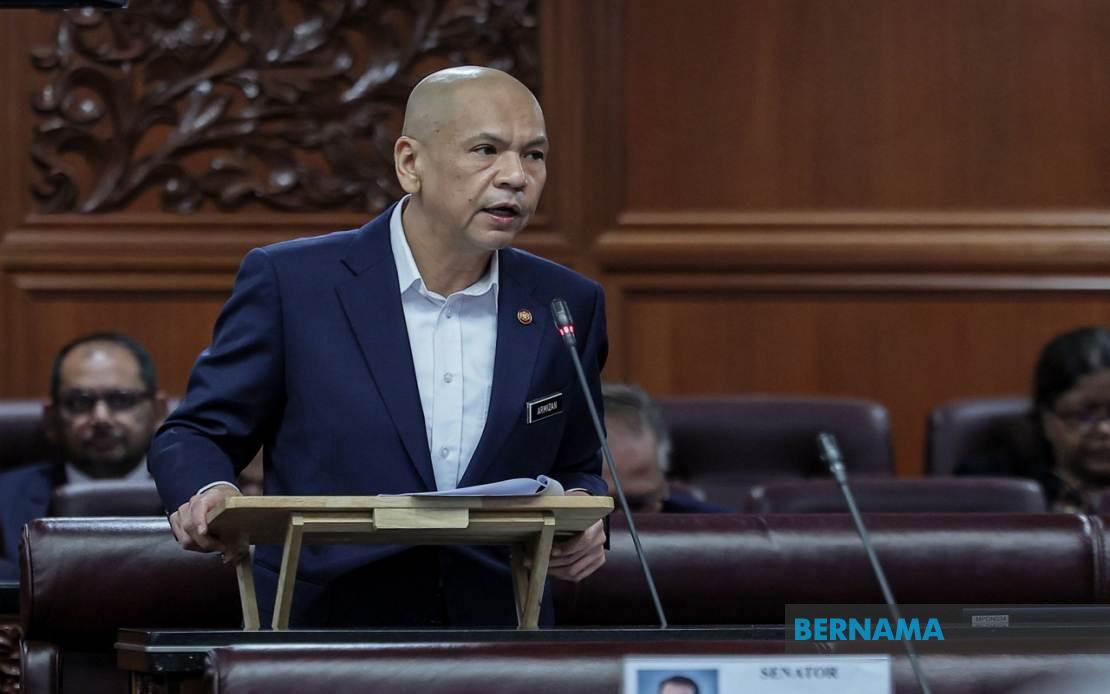
Malaysia's parliament has advanced two significant pieces of competition legislation, with both the Competition (Amendment) Bill 2026 and the Competition Commission (Amendment) Bill 2026 receiving their first reading in the Dewan Rakyat on June 23. Minister Datuk Armizan Mohd Ali, representing the Domestic Trade and Cost of Living Ministry, introduced the measures and confirmed they will proceed to second reading during the current parliamentary session, signalling the government's commitment to expediting these reforms through the legislative process.
The first bill represents a comprehensive overhaul of the Competition Act 2010, the foundational statute governing Malaysia's competition regime for the past 16 years. By seeking to strengthen investigative and enforcement capabilities vested in the Malaysia Competition Commission, the amendments acknowledge evolving challenges within Malaysia's increasingly complex digital and service-based economy. The measures also propose restructuring the Commission's decision-making apparatus and refining the operational framework of the Competition Appeal Tribunal, which handles disputes arising from MyCC determinations.
A central innovation within the first amendment concerns the scope of competition law itself. Clause 3 proposes an expansion from regulating purely commercial activities to encompassing all economic activities—a shift with profound implications for sectors previously operating in regulatory grey zones. This broadening would bring government-owned enterprises, non-profit organisations engaging in economic functions, and informal economic actors within the competition framework's purview. For Malaysian businesses operating across sectors, this expansion necessitates heightened compliance vigilance and represents a significant tightening of competitive conduct standards across the economy.
The investigative reach of MyCC would deepen substantially under Clause 7, which grants the Commission authority to demand information and documents from any individual or entity—including government bodies—during market review proceedings. This provision directly addresses a longstanding constraint on MyCC's investigative capacity and signals the government's intention to conduct more comprehensive sectoral assessments. Market reviews have proven instrumental in identifying structural barriers to competition in regulated industries, and expanded investigative tools would enable deeper diagnostic analysis of problematic market conduct or concentration patterns.
Criminal liability provisions are significantly strengthened through Clause 13, which introduces a new offence targeting deliberate destruction, concealment, defacement or alteration of evidence or data intended to obstruct MyCC investigations. This provision directly mirrors enforcement approaches in mature competition jurisdictions and addresses the practical challenge of preserving evidentiary integrity during complex investigations. By criminalising evidence tampering, the amendment raises the cost of obstruction and strengthens MyCC's ability to maintain investigation momentum when confronting sophisticated corporate resistance.
The second bill, amending the Competition Commission Act 2010, focuses on institutional governance and operational clarity. Clause 8 explicitly delineates MyCC's advisory mandate regarding competition implications of government policy, procedures and regulatory programmes. This formalisation elevates MyCC's voice in cross-government policy development, potentially enabling the Commission to flag competition concerns earlier in policy formulation processes affecting sectors from telecommunications to retail distribution.
Delegation provisions introduced through Clause 10 represent a pragmatic recognition that the Commission's chairman and senior leadership require flexibility in allocating responsibilities across an expanding workload. By permitting delegation to committees, officers and employees, the amendment facilitates more distributed decision-making and enables MyCC to scale operations as its jurisdiction expands. This structural flexibility proves essential for managing investigations across diverse sectors while maintaining decision quality and timeliness.
The appointment reforms in Subclause 12(a) constitute a governance modernisation with transparency implications. Transferring MyCC officer appointments from ministerial determination to Commission-based selection upon the chief executive officer's recommendation reduces political influence over enforcement personnel. This adjustment enhances institutional independence—a critical factor for competition agencies in maintaining stakeholder confidence that enforcement decisions reflect market realities rather than political considerations. For Malaysia's investment community, this change potentially strengthens perceptions of impartial enforcement.
Collectively, these amendments reflect Malaysia's recognition that competition law requires periodic modernisation to address emergent enforcement challenges and evolving economic structures. The digital economy, platform-based business models, and cross-border commercial flows present novel issues that the 2010 Act's framework was not designed to accommodate. By expanding MyCC's investigative toolkit, broadening the scope of regulated activities, and clarifying governance procedures, these amendments position the Commission to address contemporary competition concerns more effectively.
For multinational corporations operating in Malaysia and regional competitors, these reforms signal that competition compliance requirements will intensify. The inclusion of all economic activities means previously lightly-regulated sectors will face increased scrutiny. Local businesses should anticipate more rigorous MyCC investigations and heightened documentation requirements to demonstrate competitive conduct compliance.
The timing of these amendments aligns with global trends toward strengthened competition enforcement, particularly in developing economies seeking to demonstrate robust regulatory capacity to investors and trading partners. Southeast Asian countries increasingly recognise that transparent, credible competition regimes attract quality investment and facilitate regional trade integration. Malaysia's legislative advancement positions the nation alongside more developed competition jurisdictions and responds to stakeholder expectations for modern, effective competition governance.
Implementation challenges will inevitably emerge, particularly regarding resource allocation to investigate activities across all economic sectors and the practical application of expanded investigative powers. MyCC's budget and staffing must correspondingly expand to operationalise these enhanced mandates meaningfully. The parliamentary process during second reading will likely address concerns about implementation feasibility and transition timelines as stakeholders respond to proposed changes.