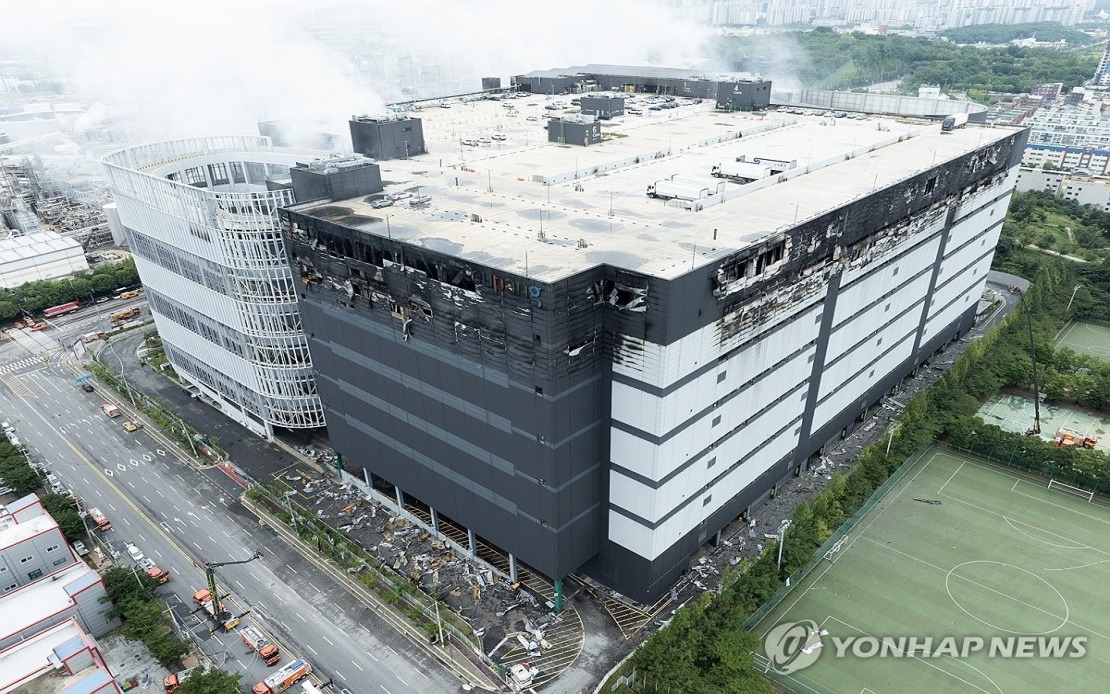
A sprawling blaze at a Coupang warehouse facility in Incheon, situated just west of Seoul, has been brought under initial control following an exhausting 61-hour firefighting campaign that tested South Korean emergency services and displaced hundreds of residents from the surrounding area. The Incheon firefighting headquarters declared the blaze under control at 8 p.m. on Monday, marking a critical turning point in what became one of the nation's most demanding warehouse fire responses in recent memory.
The scale of the operation reflected the severity of the emergency. Authorities mobilised 812 firefighters and 231 pieces of equipment following a national mobilisation order issued on Saturday, when the fire first erupted. This concentration of resources underscores the complexity and danger posed by modern logistics centres, which are often densely packed with combustible materials and feature labyrinthine internal structures that create formidable obstacles for emergency responders.
Several factors combined to make this particular fire exceptionally challenging for firefighting crews. The warehouse's sophisticated architectural design, with its network of interconnected spaces and multiple levels, meant that flames could spread rapidly through the facility while remaining difficult to locate and isolate. Additionally, the sheer volume of flammable materials stored within—typical for a major e-commerce logistics hub—provided abundant fuel that sustained and intensified the blaze over the extended period.
Weather conditions played a crucial role in turning the tide of the battle. Monday's rainfall provided unexpected assistance to exhausted firefighting teams, helping to suppress flames and prevent renewed flare-ups. This meteorological development, combined with the relentless efforts of emergency personnel working in rotating shifts, gradually allowed firefighters to gain the upper hand against the persistent inferno.
The human toll extended well beyond the industrial site itself. Local authorities issued a mandatory evacuation order late Sunday for all residents living within 116 metres of the warehouse's ramp zone, a precautionary measure designed to protect civilians from potential explosions, toxic fumes, or structural collapse. A total of 178 people sought temporary shelter at nearby schools, leaving behind their homes and possessions as a precaution. While no fatalities have been reported, the disruption to daily life for these residents and the stress of displacement demonstrate how industrial disasters ripple through surrounding communities.
The evacuation prompted broader disruptions to local institutions and services. Concerned about air quality and potential safety hazards, authorities ordered the closure of all nearby daycare centres and elementary schools on Monday. The decision affected one elementary school and 14 daycare centres, forcing families to arrange alternative childcare and depriving children of their regular routines. Such closures illustrate how industrial emergencies create cascading effects that impact educational systems and family schedules across affected regions.
This incident carries significant implications for Southeast Asian countries wrestling with rapid e-commerce expansion. Like Malaysia, the region is experiencing explosive growth in logistics infrastructure to support online retail, and most facilities mirror the high-density design of the Coupang warehouse. Malaysia's own booming e-commerce sector relies on sprawling distribution centres in areas such as Selangor and Klang Valley, many located near residential zones or with limited evacuation routes. The Incheon fire serves as a cautionary tale about the need for stricter fire safety protocols, mandatory fire suppression systems, and regular safety audits at major logistics facilities across Asia.
The protracted nature of the firefighting operation—spanning three full days—raises questions about preparedness and response coordination in the region. South Korea's deployment of over 800 firefighters represents an enormous mobilisation of resources that not all Southeast Asian countries could readily match. For Malaysia and its neighbours, this incident underscores the importance of regional cooperation on emergency response standards and the sharing of best practices for controlling warehouse fires involving modern industrial materials.
Fire safety at logistics centres presents unique challenges because these facilities typically operate round-the-clock with skeleton crews, meaning fires may burn undetected for critical periods before triggering alarms. The Coupang fire's 61-hour duration suggests that initial detection and response times may have been delayed, allowing the blaze to establish itself firmly before major firefighting resources arrived. Building designers and operators across Southeast Asia should take note of these vulnerabilities in their own facilities.
Looking ahead, the incident will likely prompt South Korean authorities to review safety standards at major warehouse complexes and may inform policy discussions about urban planning near logistics hubs. For Malaysian policymakers overseeing rapid infrastructure expansion, the Incheon warehouse fire demonstrates that proactive regulation—including mandatory sprinkler systems, compartmentalisation of storage areas, and clear evacuation routes—cannot be treated as bureaucratic formalities but rather essential safeguards against catastrophic loss.

