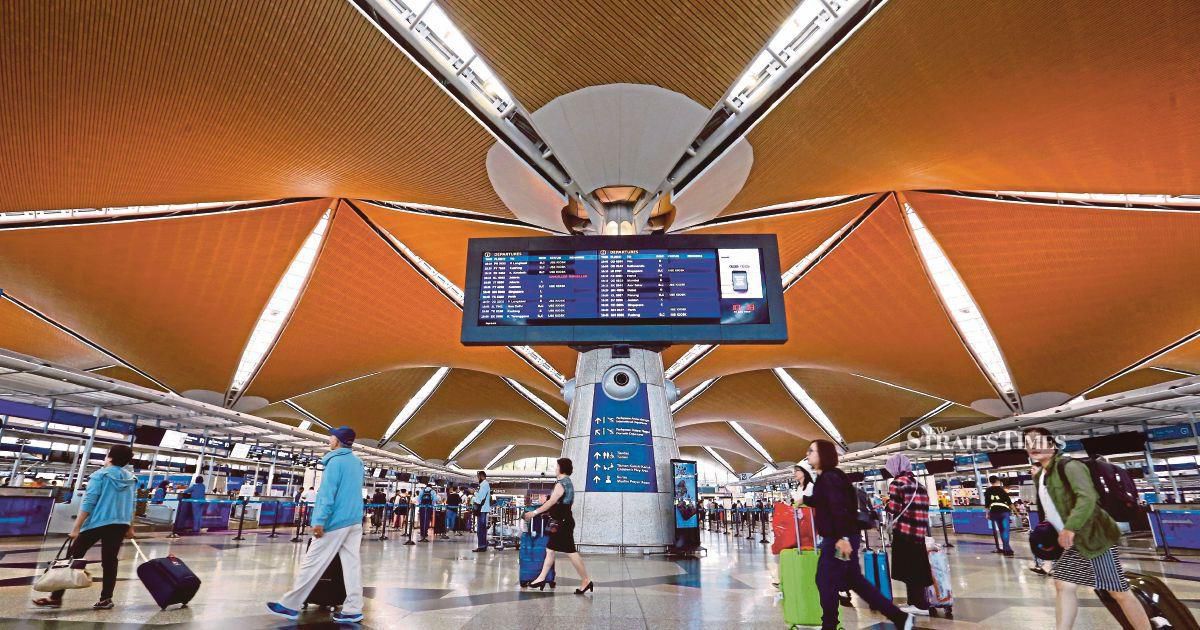
Malaysia Airports Holdings Bhd (MAHB) disclosed today that a technical malfunction had temporarily disrupted the baggage handling infrastructure serving Kuala Lumpur International Airport's Terminal 1, one of the country's busiest aviation hubs. The airport operator confirmed the incident publicly, demonstrating transparency amid passenger concerns about potential delays and service interruptions during the incident window.
Terminal 1 at KLIA represents a critical piece of Malaysia's aviation infrastructure, managing a significant volume of international and domestic flights daily. When the baggage system experiences operational difficulties, the ripple effects can quickly cascade throughout the airport's operations, potentially affecting passenger boarding schedules, onward connections, and overall travel experience. The system's complexity means that even brief technical interruptions require immediate attention from specialised engineering teams.
MAHB's acknowledgement of the problem came as the airport operator worked to restore normal operations. Technical teams mobilised to diagnose and rectify the underlying fault affecting the baggage conveyors, sorting mechanisms, and related automated equipment that form the backbone of modern airport operations. Such systems operate continuously, processing hundreds of bags hourly during peak periods, making swift resolution critical to minimising passenger disruption.
The resolution arrived by 5.30pm today, indicating that engineers successfully identified and corrected the technical issue within a defined timeframe. This relatively rapid turnaround suggests the problem involved a specific component or software glitch rather than more fundamental infrastructure damage requiring extensive repairs. MAHB's ability to restore functionality during the same business day prevented the situation from escalating into overnight service disruptions that might have affected early morning departures.
For passengers transiting through KLIA Terminal 1 today, the incident created uncertainty around departure punctuality and baggage tracking. Travellers already nervous about missing connections or baggage arriving late would have experienced heightened stress during the disruption period. Airlines operating from Terminal 1 likely experienced operational challenges managing passenger expectations and coordinating with ground handling teams regarding flight departures and baggage loading procedures.
This incident underscores the vulnerability of modern airport operations to technical failures in critical infrastructure systems. Baggage handling automation, while vastly improving efficiency and reducing lost luggage incidents compared to manual systems, introduces single points of failure that can have immediate consequences. Airports worldwide continuously invest in redundancy and backup systems to mitigate such risks, though the specific measures in place at KLIA Terminal 1 remain unclear from the available information.
MAHB's public confirmation of the incident follows best practices in airport communications, allowing passengers, airlines, and ground handlers to understand operational status rather than speculating about delays. Transparency builds confidence in airport management's competence and commitment to service quality. However, comprehensive incident reports detailing the root cause, affected flights, and preventive measures would provide fuller reassurance to stakeholders about system reliability moving forward.
The timing of this disruption carries significance for Malaysia's aviation sector, which remains focused on recovering passenger volumes to pre-pandemic levels while managing infrastructure challenges across multiple terminals. KLIA Terminal 1, though older than the newer Terminal 4, continues serving essential route networks that generate substantial traffic and revenue. Any extended disruption at this facility carries economic implications beyond immediate passenger inconvenience, affecting airline punctuality records and reputation.
Looking ahead, today's incident may prompt MAHB to review maintenance schedules, equipment upgrade priorities, and contingency protocols governing baggage system operations. Aviation authorities increasingly expect operators to demonstrate proactive safety management and continuous improvement rather than reactive repair approaches. For KLIA Terminal 1 specifically, this event provides valuable data for assessing system resilience and informing capital investment decisions during terminal modernisation initiatives.
Regional airport operators and aviation industry participants across Southeast Asia will note this incident as a reminder of the technical complexity underlying seamless passenger experiences. As airports expand capacity and modernise facilities, ensuring reliable baggage systems becomes increasingly important for competitive positioning. Passengers choosing between airline carriers often base decisions partly on reputation for punctuality and baggage handling reliability, making infrastructure dependability a strategic business concern beyond operational necessity.

