Malaysia Airports Holdings Bhd (MAHB) has restated its unwavering commitment to partnering with enforcement agencies across multiple jurisdictions to secure Malaysia's borders and prevent unlawful smuggling operations. The declaration comes in the wake of a high-profile incident involving a 39-year-old Malaysian pilot detained in Indonesia on July 29 after authorities alleged he attempted to bring narcotics into the country following his arrival from Malaysia. The case has drawn fresh attention to security protocols at Kuala Lumpur International Airport and raised questions about how individuals with aviation credentials navigate screening processes designed to detect contraband.
Indonesian authorities seized approximately 70,114 ecstasy pills and four grammes of methamphetamine from the suspect, with an estimated street value of Rp60 billion. Preliminary investigations have suggested the individual may have engaged in multiple smuggling runs and potentially maintains connections to a broader international trafficking network. Indonesian law enforcement indicated they are working to identify additional syndicate members and determine the ultimate recipients of the seized drugs, signalling that this incident may represent part of a larger organised operation rather than an isolated case.
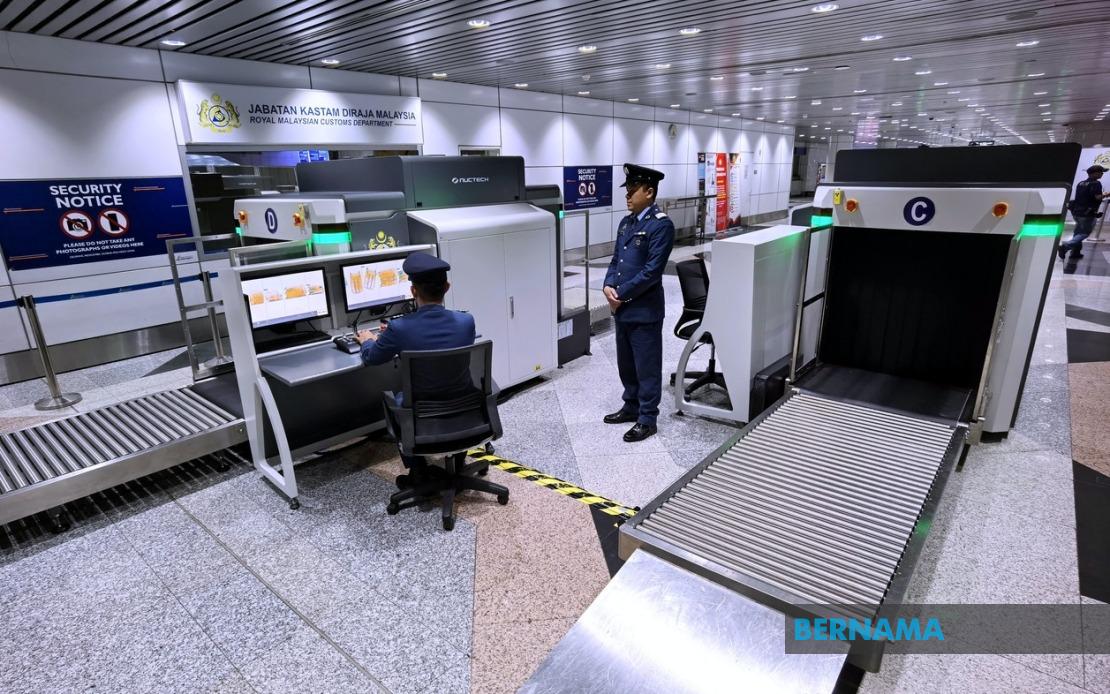
MAHB's response emphasises the layered security architecture currently operational at KLIA. The airport operator's Aviation Security (AVSEC) division bears direct responsibility for preventing activities that compromise civil aviation safety and the integrity of air transport systems. To fulfil this mandate, AVSEC implements rigorous protocols and operates sophisticated screening technology calibrated to identify explosives, firearms, and materials that pose immediate threats to aircraft and passengers. The baggage handling infrastructure at KLIA incorporates these security considerations as foundational design elements rather than afterthoughts.
Under current operational procedures, all checked baggage—whether belonging to regular passengers or airline crew members—undergoes comprehensive aviation security screening before departure through KLIA. These inspections follow established regulatory requirements and reflect international best practices in airport security management. However, MAHB acknowledges a critical distinction between its aviation security mandate and the broader law enforcement function. Drug detection and investigation, when substances do not directly threaten aviation safety, fall outside AVSEC's primary remit.
Responsibility for detecting and prosecuting offences involving illegal narcotics rests with the Royal Malaysia Police (PDRM) and the Royal Malaysia Customs Department, each exercising authority consistent with their legislative mandates and enforcement procedures. The Department of Wildlife and National Parks manages matters concerning fauna trafficking. These agencies conduct operations within airport terminals in coordination with MAHB, creating a coordinated enforcement ecosystem where information flows between entities and operational procedures complement one another. MAHB frames its role as facilitative—providing access, sharing intelligence, and enabling law enforcement to execute their functions effectively.
Data released by MAHB demonstrates the scale of interdiction efforts. Between January and July of this year, KLIA's AVSEC personnel collaborated with PDRM to thwart over thirty attempts to smuggle controlled substances through the airport. This figure suggests smuggling attempts represent an ongoing vulnerability despite existing safeguards, and underscores why airport operators and police must maintain constant vigilance. The recurring nature of attempted smuggling activity indicates that international criminal networks view major transit hubs like KLIA as viable trafficking routes, making continuous investment in detection capabilities essential.
The involvement of aviation crew in this particular case introduces a complicating factor in airport security discussions. Personnel with legitimate airport access and flight operations credentials occupy a different risk category than ordinary passengers. Their familiarity with airport layout, security procedures, and baggage handling workflows potentially provides advantages when attempting to conceal contraband. The case thus highlights the need for tailored security protocols that account for the insider knowledge some individuals possess, regardless of their professional standing in aviation.
Civil Aviation Authority of Malaysia (CAAM) has initiated a separate regulatory examination to determine whether aviation security procedures were properly observed throughout the process. This investigation, led by CAAM chief executive officer Datuk Capt Norazman Mahmud, will assess compliance by both the airline involved and MAHB's screening operations. The inquiry reflects regulatory authorities' role in ensuring airport operators and carriers maintain standards rather than merely investigating individual criminal conduct. Regulatory findings could result in recommendations for procedural modifications, additional training, or enhanced monitoring protocols.
The incident carries implications for Malaysia's positioning as a regional aviation hub and its border security reputation. International trafficking organisations exploit perceived weaknesses in enforcement ecosystems, and high-profile seizures near Malaysia can attract unwanted attention from criminal networks seeking alternative routes. Simultaneously, successful interdictions and transparent multi-agency responses reinforce Malaysia's commitment to preventing its territory from becoming a trafficking corridor. The balance between these dynamics shapes Malaysia's standing among international law enforcement partners and its attractiveness to legitimate aviation operators and passengers.
Looking forward, MAHB's stated commitment to enhanced cooperation takes concrete form through operational measures already underway. The continued collaboration between AVSEC and PDRM demonstrates that detection systems, procedural safeguards, and human vigilance collectively contribute to preventing contraband movements. However, the persistent number of smuggling attempts suggests that criminal networks continually adapt their tactics. Enforcement agencies must maintain equivalent agility, regularly reviewing procedures to identify emerging vulnerabilities and testing the effectiveness of current screening methodologies against new concealment techniques and substances.
For Malaysian travellers and businesses, the case underscores both the robustness of existing security measures and the reality that no system achieves perfect prevention. The extensive cooperation between MAHB, PDRM, Customs, and CAAM indicates institutional recognition that border security requires sustained inter-agency effort rather than the work of any single entity. As Malaysia continues developing as a major regional aviation centre, maintaining this collaborative approach while investing in technological advancement will remain essential to safeguarding both aviation security and Malaysia's broader national interests.

