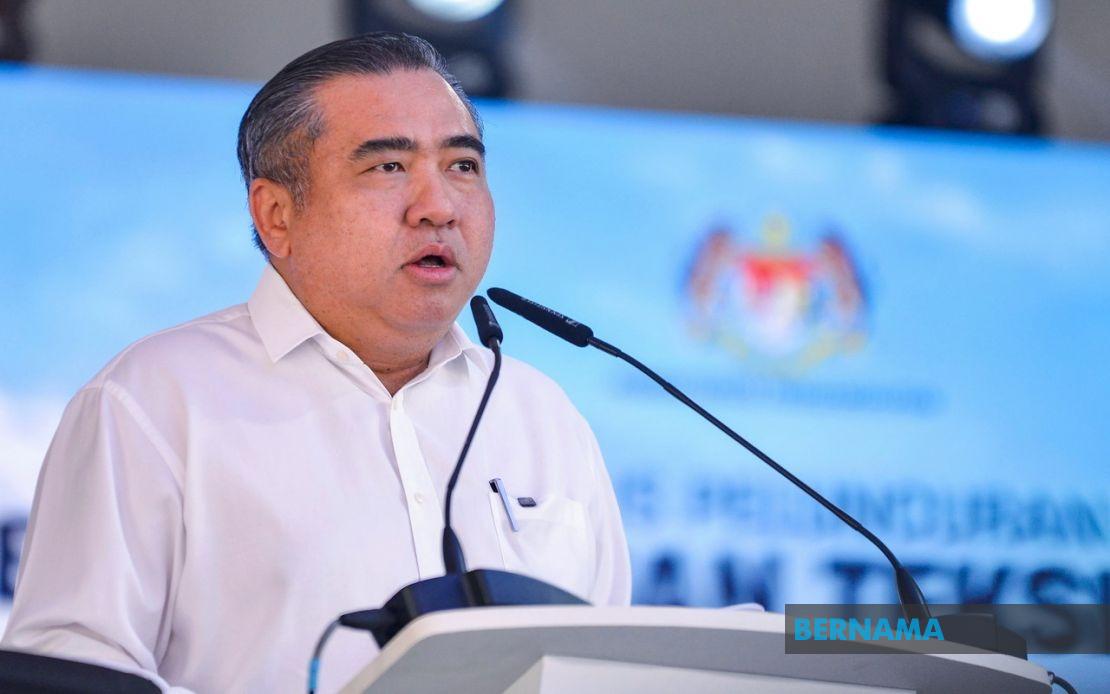
Malaysia's Transport Minister Anthony Loke has announced a landmark overhaul of the taxi industry through the National MADANI Taxi Reform Programme, which scraps the conventional leasing arrangement in favour of a vehicle ownership model that places legal title directly in drivers' hands. Launched on July 3 at Dataran Merdeka by Prime Minister Datuk Seri Anwar Ibrahim, the initiative represents a fundamental restructuring of taxi operations that has long defined Malaysia's transportation sector.
The reform hinges on financial backing secured through the Ministry of Finance, which has granted special approval enabling participating taxi drivers to become registered vehicle owners even when purchasing through financing institutions. This distinction proves crucial—rather than servicing a lease obligation to a third-party operator, drivers will build equity in their assets from day one. Loke emphasised that this model departs sharply from conventional practice, noting that "the owner or driver is the legal owner of the vehicle, even if it is financed through a financial institution. Ownership remains with the driver." This structural change fundamentally alters the risk-reward profile for taxi operators, transferring asset control from centralised leasing companies to individual drivers.
The programme designates the Proton S70 sedan as the standardised taxi model, selected on the basis of integrated safety systems, passenger comfort provisions, and fuel economy performance. This selection strategy reflects policymakers' intent to modernise Malaysia's taxi fleet while supporting domestic automotive manufacturing. The Proton S70 represents a significant upgrade from vehicles commonly operated under the previous system, incorporating contemporary safety standards and passenger amenities that should enhance both driver confidence and customer experience across Malaysian cities.
Visually, the new taxis will depart from Malaysia's iconic taxi aesthetic by abandoning the roof-mounted topper—a fixture that has characterised Malaysian taxis for decades. Instead, vehicles will carry registration plates beginning with the letters "GET," creating an instantly recognisable visual identity for the reformed fleet. This branding distinction serves multiple functions: it signals to passengers that they are engaging with reformed-sector operators, establishes regulatory clarity for authorities, and creates psychological separation between the modernised fleet and the existing leasing-based system during the transition period.
Beyond the ownership structure and vehicle specifications, the reform package incorporates revenue-enhancement mechanisms designed to boost driver earnings in an increasingly competitive mobility landscape. The ministry plans to deploy digital advertising screens within taxi cabins, converting interior space into advertising inventory. This supplementary income stream acknowledges the pressure that ride-hailing platforms have exerted on traditional taxi economics, offering drivers additional compensation channels beyond fare revenue. Such advertising integration has been successfully implemented in taxi systems across major Asian cities, generating meaningful incremental income for operators.
The programme's integration with digital booking systems through e-hailing platforms represents another crucial element of the modernisation strategy. Rather than treating traditional taxis and ride-hailing services as competitors requiring regulatory suppression, the MADANI framework positions them as complementary mobility options. This integration enables drivers to access digital dispatch mechanisms while maintaining their traditional taxi status and regulated fare structures, allowing them to compete more effectively for passengers whilst retaining the legal and operational protections that traditional licensing confers.
The ownership model carries significant implications for taxi driver financial stability and long-term prosperity. Under conventional leasing arrangements, drivers bear operational risk whilst lacking asset accumulation—rent payments generate no equity and terminate monthly without value transfer to the operator. The new structure inverts this dynamic: drivers building ownership stakes in vehicles can leverage these assets for personal financial advancement, whether through refinancing for business expansion or utilising equity as collateral for other ventures. This transition particularly benefits established drivers who can afford down payments, though it may initially disadvantage those with limited capital, necessitating careful implementation and possibly subsidised financing arrangements.
For Malaysian cities, the modernisation programme promises tangible improvements in taxi service quality and environmental performance. The Proton S70's fuel efficiency standards should reduce operating costs and emissions across the fleet. Updated safety features—likely including modern airbag systems, electronic stability control, and improved structural design—will enhance passenger protection. The elimination of roof toppers, whilst aesthetically significant, may also improve aerodynamic efficiency and further reduce fuel consumption. Collectively, these technical upgrades position reformed taxis as genuinely competitive with ride-hailing services on comfort and safety dimensions.
The governance structure supporting this transition includes multiple stakeholders beyond the Transport Ministry. Hannah Yeoh, Minister in the Prime Minister's Department (Federal Territories), and Dataran Merdeka mayor Datuk Seri Fadlun Mak Ujud attended the launch, signalling whole-of-government coordination. This multi-agency approach suggests serious implementation intent and awareness that taxi reform requires coordination across federal, state, and municipal jurisdictions. The Finance Ministry's special approval for the ownership financing model indicates that central economic authorities recognise the reform's broader importance to transport policy and urban mobility.
The transition from leasing to ownership carries implications extending beyond individual drivers' financial circumstances into broader questions about taxi industry consolidation and market structure. Leasing systems historically enabled large operators to maintain fleet control, standardise services, and implement operational oversight. When drivers own vehicles individually, industry coordination and quality assurance become more challenging. Success will depend on whether regulatory mechanisms can maintain service standards whilst respecting drivers' asset ownership rights—a balance that policymakers must carefully manage throughout implementation.
Regionally, Malaysia's taxi reform offers instructive lessons for other Southeast Asian nations grappling with ride-hailing disruption and taxi industry decline. By combining vehicle ownership incentives with modern technology integration and revenue diversification, the MADANI programme attempts to rejuvenate traditional taxi services without wholesale deregulation or sector collapse. Whether this balanced approach proves economically sustainable and operationally effective will become apparent through implementation, potentially influencing how neighbouring countries approach similar transport challenges.
The programme's success ultimately depends on driver adoption rates and passenger acceptance of the modernised fleet. Initial incentives appear substantial—vehicle ownership, digital earnings opportunities, and upgraded vehicles represent meaningful improvements over conventional arrangements. However, the transition requires drivers to navigate new financing obligations and administrative processes. The coming months will reveal whether the MADANI framework achieves its ambition of revitalising Malaysia's taxi sector whilst genuinely improving outcomes for the drivers who form its operational backbone.

