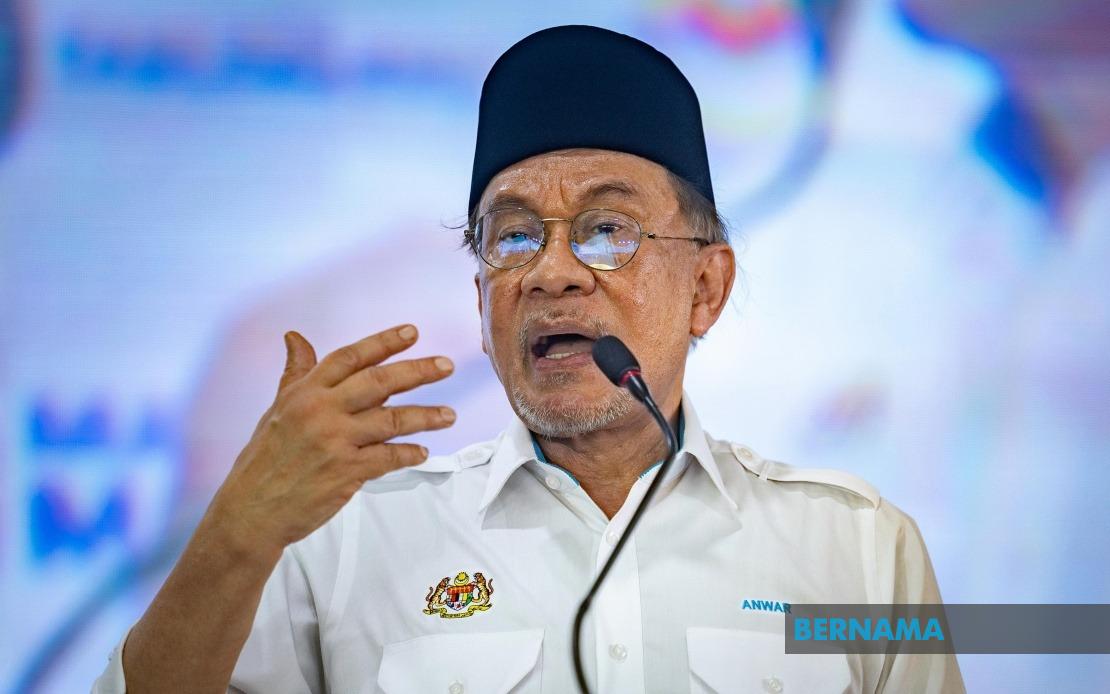
Prime Minister Datuk Seri Anwar Ibrahim has committed the MADANI Government to an ongoing programme of enhancement and development for religious schools and pondok institutions operating throughout Malaysia. Speaking at the 2026 Perak Pondok and Religious Schools Gathering in Ipoh on July 19, Anwar underscored the significance of these educational establishments in the nation's broader educational landscape and signalled sustained investment in their modernisation.
The statement carries particular weight given Malaysia's diverse educational ecosystem, where pondok schools—traditional Islamic boarding institutions—have historically served as repositories of Islamic scholarship and cultural continuity across Malay-Muslim communities. These institutions, which operate alongside the conventional national education system, face mounting pressure to remain relevant as economic development accelerates and job markets increasingly demand technical competencies unavailable through purely classical theological curricula.
Anwar acknowledged that while pondok schools historically fulfilled a crucial educational function, they encountered significant challenges when confronted with rapid societal transformation. The institutions found themselves unable to adequately equip students with knowledge across diverse modern disciplines, potentially creating a gap between their graduates' qualifications and contemporary employment requirements. This recognition reflects a pragmatic governmental approach to cultural preservation that acknowledges modernisation imperatives without abandoning traditional Islamic pedagogy.
A defining aspect of the Prime Minister's remarks centred on his praise for religious educators, institutional leaders, and respected tok guru figures who have managed to navigate this difficult balancing act. These educators have simultaneously preserved classical Islamic texts and theological traditions while demonstrating openness to contemporary scientific and technological disciplines. This dual commitment represents an increasingly sophisticated understanding within Malaysian Islamic circles that technological advancement and religious fidelity need not be mutually exclusive—a philosophical position that has gained traction across Southeast Asian Islamic scholarship.
Anwar specifically highlighted computer technology and artificial intelligence as exemplary modern disciplines that pondok schools should integrate into their curricula. This framing represents a deliberate effort to position these institutions not as educational museums preserving bygone learning methods, but as dynamic educational entities capable of preparing students for twenty-first-century employment and societal participation. The emphasis on AI particularly signals governmental recognition of technological disruption reshaping global labour markets and the necessity for all Malaysian educational pathways—including religious ones—to address these transformations.
The government's partnership with Malaysia Digital Economy Corporation (MDEC) and the Implementation Coordination Unit (ICU) within the Prime Minister's Department underscores the institutional machinery mobilised to facilitate this modernisation agenda. These agencies bring technological expertise and policy coordination capacity essential for retrofitting traditional institutions with contemporary infrastructure and pedagogical approaches. Their involvement signals that pondok school advancement forms part of Malaysia's broader digital economy strategy, connecting Islamic educational modernisation to national economic development objectives.
Anwar's invocation of Sheikh Wazir Che Awang Al-Makki, a prominent Kelantan-based Islamic scholar, suggests dialogue between governmental authorities and respected religious figures regarding educational transformation. This consultative approach helps legitimise modernisation initiatives within conservative religious circles that might otherwise perceive governmental intervention in Islamic institutions with suspicion. By referencing specific respected scholars, Anwar demonstrates that proposed changes enjoy religious community endorsement rather than representing top-down imposition.
The conditional language in Anwar's commitment—contingent upon continued governmental health and economic stability—reflects fiscal pragmatism characteristic of Malaysia's current economic environment. While signalling strong intent, the qualification acknowledges that substantial infrastructure investment in religious schools nationwide requires sustained budgetary allocation vulnerable to macroeconomic fluctuations. This caveat proved noteworthy given Malaysia's ongoing economic restructuring challenges and historical budgetary pressures affecting educational spending.
The gathering's attendance by Perak Menteri Besar Datuk Seri Saarani Mohamad, Minister in the Prime Minister's Department (Religious Affairs) Dr Zulkifli Hasan, and Chief Secretary to the Government Tan Sri Shamsul Azri Abu Bakar reflected the multi-level governmental commitment to this initiative. The ministerial participation, particularly from the Religious Affairs portfolio, positioned the announcement within formal institutional frameworks rather than as aspirational rhetoric.
For Malaysian Islamic educational stakeholders, this commitment represents potential access to modernisation resources previously unavailable or dispersed across fragmented governmental and non-governmental channels. However, successful implementation will require navigating considerable practical challenges, including curriculum redesign, educator training in contemporary technologies, infrastructure provision, and maintaining institutional autonomy while accepting governmental support. The varying capacity and philosophical orientations across Malaysia's geographically dispersed pondok schools may produce uneven implementation outcomes across regions.
Regionally, Malaysia's approach to integrating Islamic education with technological modernisation may influence educational policy discussions across Southeast Asia, where similar tensions between traditional Islamic pedagogy and contemporary skill requirements exist in countries including Indonesia, Thailand, and the Philippines. The explicit governmental commitment to this integration model demonstrates one pathway for addressing these tensions while maintaining religious institutional identity.

