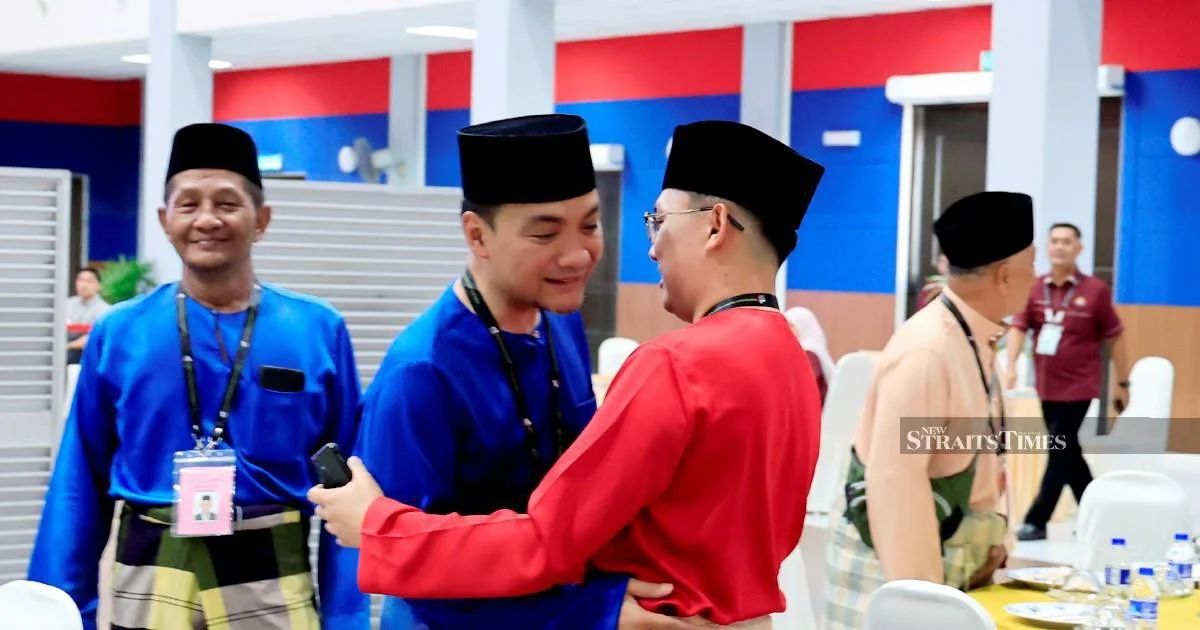
The Machap state constituency in Johor is set for a straight contest that will test the political fortunes of the caretaker Menteri Besar. Datuk Onn Hafiz Ghazi, representing the Barisan Nasional coalition, will seek to retain his seat against a challenger from the opposition Pakatan Harapan alliance. The confirmation of a two-candidate race sets the stage for a focused electoral battle in this Johor heartland constituency.
The decision to field a single candidate from the PH coalition reflects opposition strategy in the Johor state election. By consolidating their support behind one contender rather than fragmenting the vote, the opposition aims to maximize their chances of unseating the incumbent. This approach signals confidence in their chosen candidate's ability to mount a serious challenge against the ruling coalition's sitting representative.
Onn Hafiz's position as caretaker Menteri Besar adds significant weight to the Machap contest. His role leading the state government during this interim period before elections gives him considerable administrative visibility and the ability to leverage state resources and development announcements. However, it also places him under greater scrutiny regarding governance record and popular perception of his leadership tenure.
The straight fight configuration eliminates spoiler dynamics that might otherwise fragment voter preferences. In Malaysian elections, three-way or multi-cornered contests can result in unexpected outcomes where the winning candidate secures only a plurality rather than majority support. The two-candidate format in Machap removes this complication, meaning victory will clearly go to whichever camp can mobilize greater electoral strength.
Johor remains a politically significant state in Malaysia's federal structure, and Machap is considered a competitive seat that reflects broader provincial sentiment. Elections here often influence perceptions about government performance and opposition credibility. The personality and track record of individual candidates matter substantially in such closely-watched constituencies, particularly when sitting representatives defend their positions.
Onn Hafiz's tenure as caretaker Menteri Besar has lasted several months, during which he has overseen routine government operations and initiated various development projects. In campaign season, his ability to point to specific achievements will be crucial to his re-election prospects. Simultaneously, his opponent will scrutinize his record, highlighting any perceived shortcomings or unfulfilled promises made during his previous term.
The opposition's selection of their candidate carries important implications for their broader Johor strategy. A strong showing in Machap would demonstrate that Pakatan Harapan can compete effectively in traditionally Barisan-leaning constituencies. Conversely, defeat would reinforce narratives about the ruling coalition's dominance in this state, where BN has maintained relatively strong electoral support compared to other Malaysian regions.
Local issues specific to Machap will likely dominate campaign discourse. Constituents typically prioritize tangible matters affecting their daily lives: infrastructure development, educational facilities, healthcare access, employment opportunities, and community services. Both candidates will attempt to frame themselves as better positioned to deliver improvements in these areas. Development projects initiated or promised by the caretaker government will inevitably feature prominently in campaign rhetoric.
The timing of the election campaign coincides with broader Malaysian political dynamics. National issues concerning economic management, cost of living pressures, and governance accountability will inevitably inform voter sentiment at the state level. Johor voters increasingly factor in how state-level politics intersect with federal governance, particularly regarding fiscal management and development priorities.
For Malaysia's political observers and analysts, Machap represents a bellwether for BN's continued ability to hold traditional strongholds. Success for Onn Hafiz would suggest the ruling coalition maintains its ground game in Johor, while a loss would signal shifting electoral patterns and rising opposition competitiveness. The constituency thus carries significance extending beyond its immediate boundaries.
The upcoming campaign will reveal which candidate better connects with Machap voters through policy proposals and personal credibility. Both the incumbent advantage and opposition momentum will be tested in this direct electoral contest. The result will contribute meaningfully to determining the overall composition of Johor's state assembly and potentially influence future federal-level political calculations.
With the two-candidate format confirmed, both camps can now focus their resources and campaign messaging without concerns about additional competitors dividing opposition or government support. This clarity should produce a cleaner electoral verdict reflecting genuine voter preference between the two main political coalitions vying for Johor's direction.

