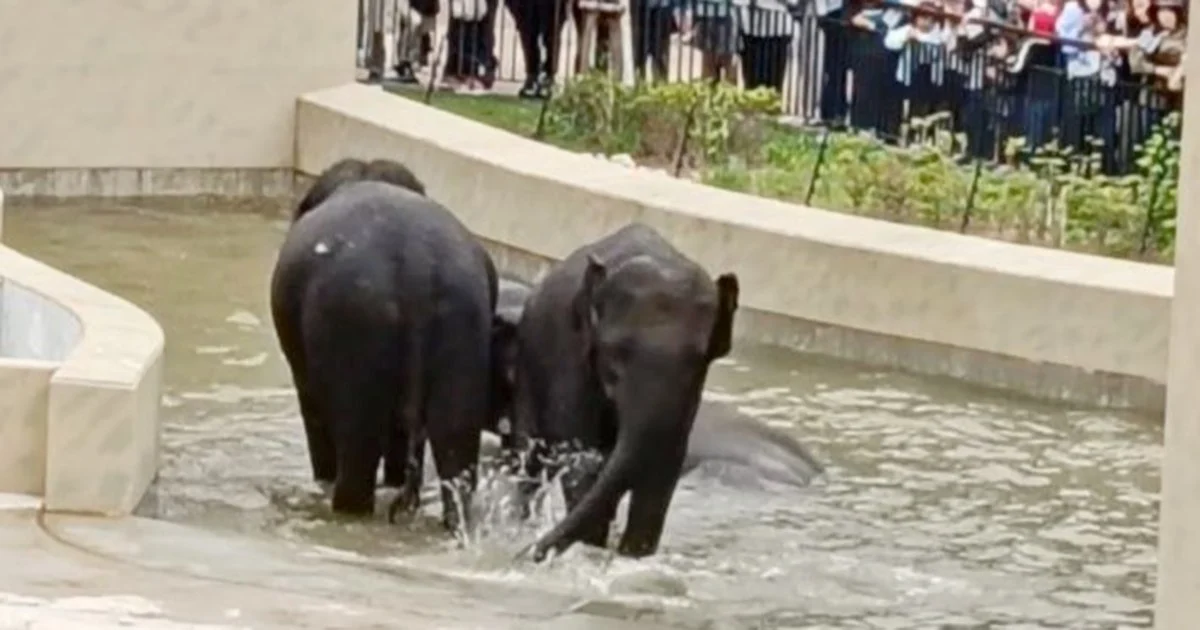
The Malaysian Anti-Corruption Commission has initiated an investigation into the Taiping Municipal Council regarding its decision to transfer three elephants to Tennoji Zoo in Japan, with the current phase confined to examining relevant documentation. The Taiping authorities confirmed that the MACC inquiry centres exclusively on reviewing records and paperwork connected to the controversial animal transfer, rather than pursuing more extensive investigative avenues at this juncture.
The transfer of the elephants to Tennoji Zoo marked a significant event in Malaysia's wildlife management, attracting considerable public attention and drawing scrutiny from animal welfare advocates and transparency-focused observers. The decision by Taiping Municipal Council, which oversees the Taiping Zoo where the animals were previously housed, became the subject of anti-corruption review, prompting questions about the process and justifications underlying the transaction. Such wildlife relocations involve multiple stakeholders and complex logistical arrangements, making transparent documentation particularly crucial for public accountability.
By limiting the probe to document analysis, the MACC approach suggests the initial phase focuses on establishing a factual foundation regarding the transfer's authorisation, contractual arrangements, and decision-making rationale. This methodical beginning allows investigators to determine whether further examination is warranted. Documentation review typically examines council minutes, correspondence between officials, financial records, contracts with the receiving zoo, and approval processes that guided the transaction. The scope reflects a cautious investigative stance, assessing whether irregularities or procedural breaches warrant escalation.
The Taiping Municipal Council's statement regarding the MACC's document-centred methodology provides some clarity about investigation parameters, though it does not preclude future expansion should initial findings warrant deeper scrutiny. Malaysian transparency advocates have increasingly called for comprehensive accountability in major municipal decisions affecting public assets, including wildlife. The elephants, as residents of a publicly-operated facility, represent a form of public property whose disposition warrants legitimate oversight.
For Malaysian readers, this case exemplifies how anti-corruption mechanisms engage with governance beyond traditional graft concerns. Wildlife management decisions increasingly intersect with questions of public resource stewardship, environmental responsibility, and international obligations. The transfer to Japan, while ostensibly advancing zoological cooperation and animal welfare, nonetheless required council approval and expenditure of resources that demanded proper authorisation. The MACC investigation reflects growing expectations that public bodies justify their significant decisions through transparent processes.
Tennoji Zoo's acquisition of the three Malaysian elephants represented a notable international arrangement in the zoological world, reflecting evolving conservation and animal exchange philosophies among institutions. However, from the Taiping perspective, questions naturally arose about whether appropriate procedures were followed, whether financial arrangements were conducted competitively and transparently, and whether the decision reflected broader strategic considerations or potentially questionable influences. Such questions are legitimate matters for anti-corruption bodies to examine.
The document-focused approach also reflects practical realities of investigating municipal decisions. Records provide objective evidence of who authorised what, when decisions were made, what information informed those decisions, and whether proper channels were followed. Discrepancies between official justifications and documentary evidence, or gaps in required approvals, can emerge through careful document analysis. This foundational work establishes whether interview-stage investigations or additional probes become necessary.
Public interest in this case intersects with broader Malaysian concerns about governance standards across municipal authorities. Taiping Municipal Council, like councils nationwide, manages substantial budgets and controls significant assets. The expectation that major decisions involving public assets undergo proper scrutiny and authorisation reflects healthy democratic standards. When municipal actions trigger anti-corruption investigation, even at the document-review stage, it reinforces that no institution operates entirely beyond oversight.
The timeline and eventual findings of this investigation will likely influence how Malaysian municipal authorities approach future decisions involving animal welfare, international partnerships, and asset disposition. If the document review identifies procedural issues, the case could prompt broader governance improvements across local government. Conversely, if the investigation concludes the transfer proceeded appropriately, it clarifies that Malaysia's anti-corruption mechanisms function to examine questionable decisions while respecting legitimate government operations.
Stakeholders including animal welfare organisations, zoo professionals, and government transparency advocates are monitoring developments closely. The investigation's outcome may offer insights into how Malaysian institutions balance competing interests—animal conservation, international cooperation, proper governance, and public accountability. For Tennoji Zoo, the Malaysian elephants remain valuable additions to their collection, though questions about their origin's governance implications persist until the MACC concludes its work.
The decision to maintain the investigation's current documentary focus, rather than launching broader inquiries immediately, reflects confidence that available records provide sufficient foundation for preliminary assessment. Should investigators identify potential irregularities through document examination, the investigation's scope would likely expand accordingly. This graduated approach represents sensible investigative practice, avoiding resource-intensive broader inquiries unless preliminary findings justify such escalation.

