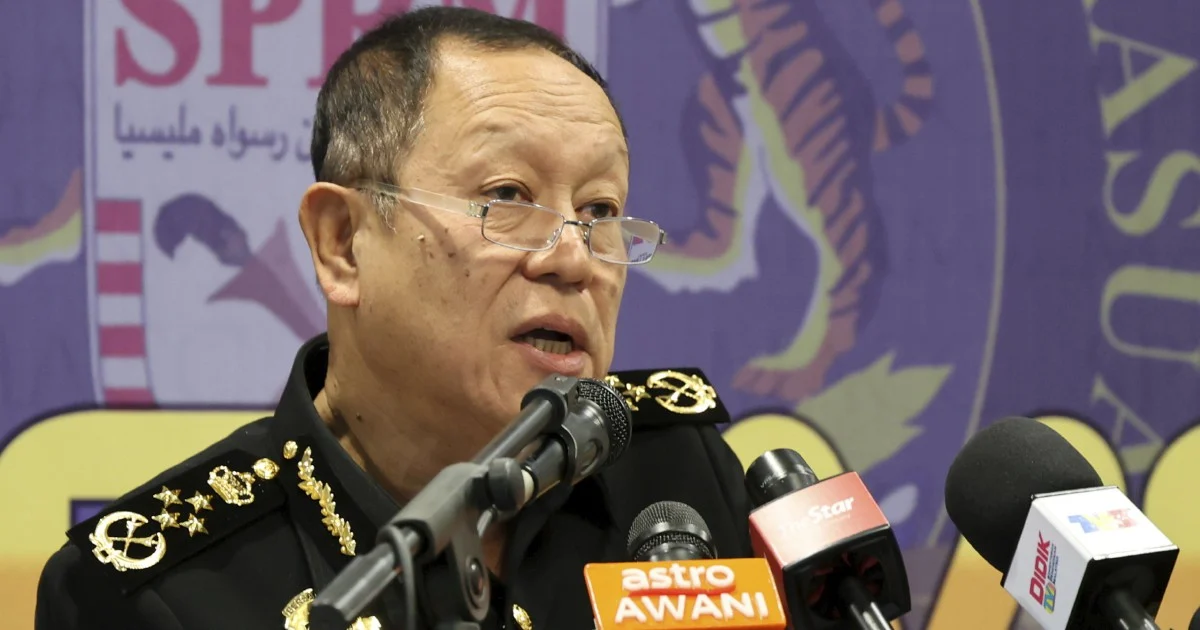
The Malaysian Anti-Corruption Commission has signalled its intention to summon multiple individuals to provide statements regarding a high-value property acquisition in the United States that investigators suspect may be connected to funds misappropriated from 1Malaysia Development Bhd. Among those expected to cooperate with the inquiry is the wife of a former Malaysian prime minister, indicating the investigation's reach into circles close to the country's highest political office.
The case represents a continuation of the MACC's efforts to trace the labyrinthine financial flows that characterised the 1MDB scandal, which erupted into a major international corruption investigation following the fund's collapse in 2015. The sovereign wealth fund, which was meant to accelerate Malaysia's economic development through strategic investments, instead became a cautionary tale of governance failure and alleged large-scale embezzlement. Tracing these illicit funds across jurisdictions and asset types remains a complex undertaking, particularly when assets were transferred internationally and through multiple intermediaries.
Luxury real estate in the United States has historically served as a preferred vehicle for laundering proceeds of corruption, offering relative privacy, straightforward transactions, and substantial appreciation potential. The American property market's opacity regarding beneficial ownership, combined with the ease of incorporating shell companies and trusts, made it an attractive destination for those seeking to hide wealth of questionable provenance. This particular property investigation suggests that authorities now have sufficient evidence or intelligence to believe specific high-value acquisitions warrant formal scrutiny.
The involvement of a former prime minister's family member signals that investigators are not limiting their examination to lower-ranking officials or businessmen who served as intermediaries in the 1MDB scheme. This approach reflects growing confidence within Malaysia's anti-corruption apparatus, which has faced considerable political pressure and scrutiny regarding its independence and objectivity over the years. The willingness to pursue leads involving senior political figures demonstrates either a genuine commitment to accountability or a shift in the political landscape that has made such investigations more feasible.
The investigation's focus on property assets abroad aligns with patterns established in other 1MDB-related cases, where investigators discovered that significant sums flowed through international banking channels before being converted into tangible assets in luxury markets. Similar properties have been identified and seized in other jurisdictions, including Malaysia itself, where several high-value residences have been linked to the scandal. Building a comprehensive picture of these asset acquisitions helps authorities understand the full scope of the fund's misappropriation and potentially recover resources for the Malaysian treasury.
For Malaysian readers, this investigation carries implications beyond mere criminal accountability. The funds that allegedly flowed into foreign property purchases represent national resources diverted from domestic development priorities. Schools, hospitals, and infrastructure projects that might have benefitted from 1MDB's intended mandate were instead starved of capital while wealth accumulated in overseas properties owned by well-connected individuals. Recovering such assets through legal means, whether through criminal proceeds forfeiture or civil recovery suits, could potentially restore some portion of the losses.
The MACC's decision to formally summon witnesses and request statements suggests the agency possesses documentary evidence or testimonial leads sufficient to move beyond preliminary inquiry into more focused investigation. Bank records, property transaction documents, and financial institution reports from American counterparts would form the foundation of such inquiry. International cooperation mechanisms, including treaties governing mutual legal assistance, enable Malaysian authorities to obtain such documentation from American authorities, though the process typically requires considerable time and diplomatic coordination.
The Singapore and Southeast Asia regional context adds another dimension to this investigation. The 1MDB scandal initially attracted international attention partly because some funds transited through Singapore's banking system and were associated with entities and individuals with regional connections. As Malaysian authorities pursue asset recovery through multiple channels, they increasingly coordinate with counterparts across ASEAN nations, creating a more cohesive regional approach to combating transnational corruption. Intelligence sharing between these agencies has improved substantially since 2015.
Politically, the investigation reflects Malaysia's complex relationship with its own recent history. The administration currently in power has made anti-corruption efforts a stated priority, yet faces persistent questions about whether such efforts apply uniformly across all political factions or remain selectively deployed. The summons of individuals close to a former prime minister provides a test case for whether institutional mechanisms for fighting corruption have genuinely become depoliticised or whether they remain subject to partisan influence. Public perception of the investigation's integrity will partly determine whether it strengthens or undermines faith in Malaysian institutions.
Looking forward, this inquiry may yield significant asset recovery if it successfully traces property titles, establishes beneficial ownership chains, and builds prosecutable cases. American authorities have shown increasing willingness to cooperate in 1MDB-related matters, particularly where American citizens or entities are implicated. However, the complexity of international property transfers, the time elapsed since the original transactions, and the multiple legal jurisdictions involved create substantial challenges for investigators seeking to establish irrefutable chains of causation between 1MDB funds and specific assets.
The broader message conveyed by the MACC's actions is that Malaysia's anti-corruption infrastructure, despite its limitations and historical questions about independence, continues attempting to pursue accountability avenues that remain open. As 1MDB-related investigations age and some statute of limitations concerns arise, the urgency of completing key investigations intensifies. These efforts may not restore all misappropriated wealth, but they signal that consequences for large-scale corruption remain possible, albeit delayed and incomplete.

