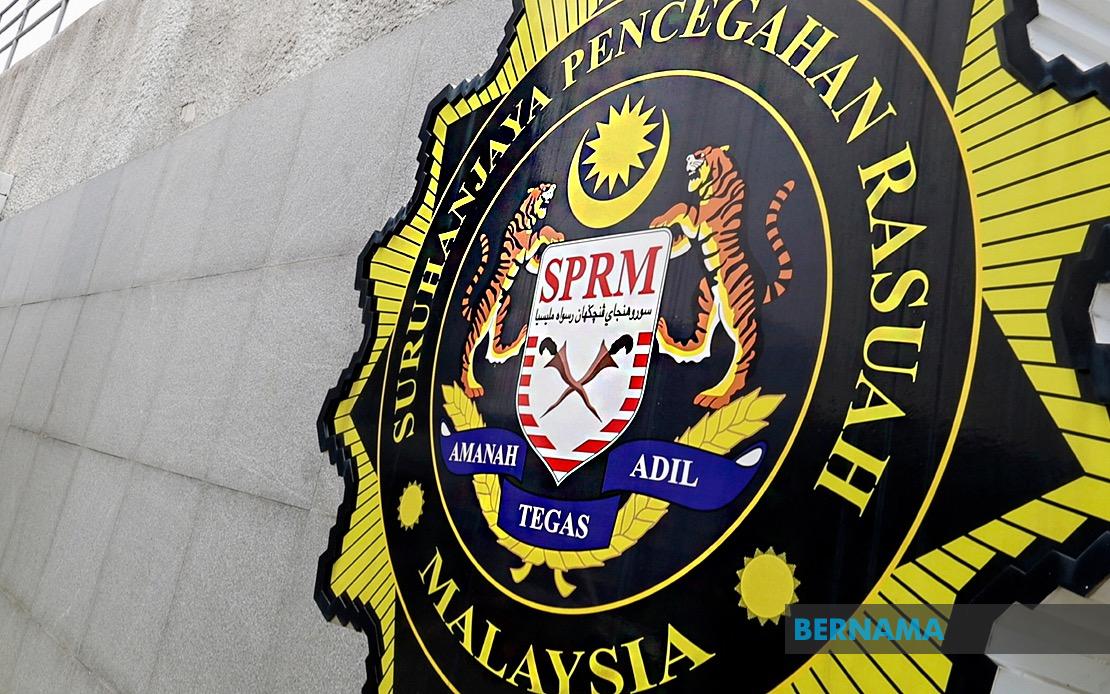
The Malaysian Anti-Corruption Commission (MACC) is intensifying its oversight presence in Johor by establishing five dedicated operations rooms ahead of the state election scheduled for July 11. These facilities will serve as central hubs for the public to lodge complaints and provide information concerning corruption and the misuse of official authority throughout the critical campaign period.
The operations rooms will commence their round-the-clock service from nomination day on June 27, maintaining continuous operations until polling day on July 11. This extended timeframe ensures that concerns can be reported at any hour during the entire election cycle, from the initial candidate registration phase through to the final voting day. The decision to maintain 24-hour operations reflects the commission's commitment to capturing complaints that may arise outside regular business hours.
Geographically, MACC has strategized the placement of its five operations rooms to ensure broad coverage across the state. The primary center will be located at the MACC Johor headquarters in Tampoi, with satellite offices established in Batu Pahat, Kluang, Segamat, and Mersing. This distribution aims to make complaint submission convenient for residents across different regions of Johor, from the northern districts through to the southern areas.
Beyond physical locations, MACC has provided an alternative digital avenue for complaint submission. Members of the public can email corruption allegations and abuse of power concerns directly to the dedicated inbox [email protected]. This dual-channel approach acknowledges that not all complainants may be comfortable visiting offices in person or may face logistical barriers in reaching the physical centers, particularly those in remote areas.
The commission has formally assured that every submission received will undergo thorough professional investigation conducted transparently and in strict adherence to applicable legal frameworks. This assurance is critical for establishing public confidence in the complaint mechanism, as potential informants need certainty that their reports will be handled with proper scrutiny and not dismissed arbitrarily.
In tandem with establishing these reception facilities, MACC has issued clear advisory warnings to all candidates and participating political parties contesting the Johor election. The commission reminded stakeholders that they must maintain strict compliance with multiple legal instruments governing electoral conduct, including provisions stipulated in the MACC Act 2009 and the Election Offences Act 1954 as amended in 2012. These statutory frameworks carry serious penalties for infractions, and the public warning serves to reinforce that violations will be pursued.
The timing of this anti-corruption initiative aligns with the Election Commission's official election calendar. Nomination day is fixed for June 27, providing three days before early voting commences on July 7, followed by the main polling day on July 11. This sequencing gives MACC adequate warning to prepare its infrastructure and personnel.
For Malaysian observers, the deployment of five operations rooms represents a scaling up of MACC's election-time vigilance compared to previous state-level electoral contests. The resource commitment signals institutional determination to maintain election integrity and discourage candidates and parties from exploiting the campaign period for illicit advantage. Given that Johor is Malaysia's second-largest state by population and a significant economic region, corruption during its state election could have cascading effects on governance and public resource allocation.
The initiative also reflects evolving international best practices in election administration, where independent anti-corruption agencies maintain visible presence during electoral cycles. Such transparency helps reassure both domestic voters and external observers that mechanisms exist to detect and investigate irregularities. For Southeast Asian context, Malaysia's approach demonstrates institutional maturation in separating electoral oversight from partisan interference.
Candidates and parties should note that the operations rooms provide not merely a complaint mechanism but a warning system monitored by an autonomous authority. This creates legal jeopardy for anyone attempting improper conduct, as contemporaneous reporting means investigations can commence swiftly and gather evidence while circumstances remain fresh. The psychological deterrent effect of knowing anti-corruption officials are actively receiving real-time reports cannot be underestimated.
The establishment of these operations rooms ultimately reflects a broader institutional commitment to ensuring that electoral outcomes in Johor are determined by voter preference rather than corrupt inducements or abusive exercises of power. As Malaysia continues deepening its democratic governance structures, such initiatives demonstrate that safeguarding election integrity requires not merely legal prohibitions but active, visible institutional presence throughout the contested period.

