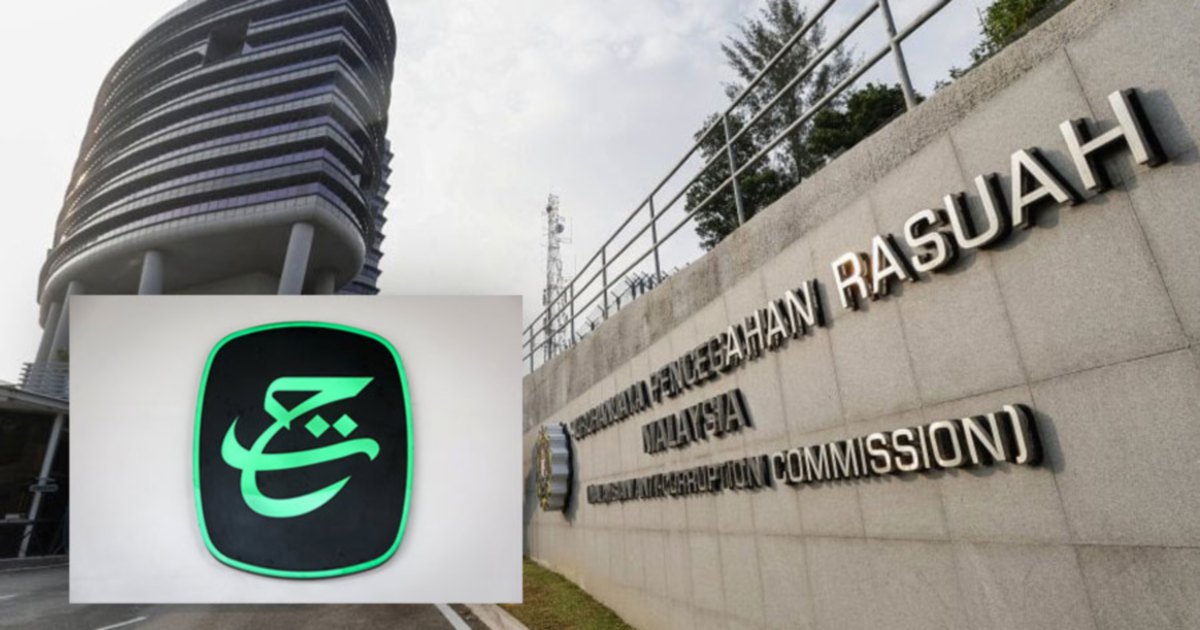
The Malaysian Anti-Corruption Commission is moving swiftly to investigate alleged improprieties at Tabung Haji following the completion of a royal commission of inquiry, with a former chief executive officer expected to be summoned for questioning in the coming weeks. The MACC's intensified focus on the fund's leadership represents a significant escalation in accountability efforts surrounding one of Malaysia's most prominent Islamic financial institutions, which manages billions of ringgit in savings from prospective pilgrims.
Tabung Haji, formally known as the Lembaga Tabung Haji, has faced mounting scrutiny over the past several years amid allegations of financial mismanagement, questionable investments, and governance failures. The establishment of the royal commission of inquiry signalled the government's determination to investigate the full scope of alleged misconduct at the fund, which has accumulated substantial losses and faced criticism from contributors who questioned how their savings were being deployed. The inquiry's findings have apparently identified individuals whose conduct warrants further criminal investigation by anti-corruption authorities.
The decision to bring the MACC into the investigative process reflects confidence in the agency's enforcement capabilities and marks a transition from the fact-finding phase of the royal commission into potential prosecutorial action. Summoning the former executive chief represents a critical juncture in holding senior management accountable for decisions made during their tenure. The MACC's involvement signals that investigators have identified conduct that may contravene anti-corruption legislation, and the agency will seek to establish whether violations occurred and what chain of responsibility can be established.
For Malaysian investors and pilgrims who entrust their savings to Tabung Haji, the escalating investigation offers both reassurance and concern. On one hand, the MACC's intervention demonstrates institutional willingness to pursue misconduct at the highest levels of government-linked bodies. Conversely, the severity of allegations suggests that systemic failures may have persisted unchecked for extended periods, potentially affecting the financial security of millions of contributors throughout the country.
The timing of the MACC's action is significant within the broader Malaysian governance landscape. Public confidence in anti-corruption enforcement has fluctuated considerably, and high-profile investigations into senior corporate and government officials carry symbolic weight beyond their immediate legal outcomes. A thorough and transparent investigation into Tabung Haji's leadership could help rebuild institutional credibility, provided the process is seen as rigorous and impartial.
Former leadership at Tabung Haji faces potential questioning regarding investment decisions, contract awards, internal control mechanisms, and the allocation of corporate resources. The royal commission's findings have apparently created a documented foundation upon which the MACC can construct specific lines of inquiry. Investigators will likely examine whether decisions violated fiduciary duties owed to fund contributors, whether appropriate governance protocols were followed, and whether any transactions generated personal benefit to decision-makers.
The prospect of legal action against former Tabung Haji executives carries implications for corporate governance standards across Malaysia's broader institutional landscape. Government-linked companies and funds throughout the region frequently operate with substantial discretion in financial deployment, and how authorities handle governance failures at major institutions establishes precedent for accountability expectations elsewhere. A rigorous investigation suggests that seniority and institutional prominence will not shield individuals from scrutiny.
The investigation also intersects with religious and social dimensions that extend beyond conventional corruption frameworks. Tabung Haji operates as a trust managing resources designated for Islamic worship, and misuse of these funds carries moral dimensions that resonate deeply within Malaysian Muslim communities. Contributors view Tabung Haji not merely as a financial vehicle but as a sacred institution, and governance failures represent breaches of religious trust alongside fiduciary violations.
As the MACC prepares its investigation, the agency will coordinate with relevant regulatory bodies including Bank Negara Malaysia and the Securities Commission, which maintain supervisory authority over aspects of Tabung Haji's operations. Multi-agency coordination can ensure comprehensive investigation of conduct spanning financial, investment, and corporate governance domains. Such coordination also prevents jurisdictional gaps that individuals under investigation might exploit.
The coming months will reveal whether the royal commission's conclusions translate into prosecutable offences substantiated through investigative evidence. The MACC's track record in complex institutional investigations has demonstrated capacity to uncover detailed financial misconduct, though critics have questioned selective enforcement patterns. The Tabung Haji investigation will provide fresh assessment of the agency's willingness to pursue powerful institutional figures.
Beyond individual accountability, the investigation may inform structural reforms to Tabung Haji's governance framework. Authorities and policymakers will likely examine whether institutional arrangements prevented adequate oversight of executive decision-making, whether board structures provided sufficient independent scrutiny, and whether reporting mechanisms functioned effectively. Addressing systemic weaknesses may prove as important as pursuing individual culpability.
For the broader Malaysian public and regional observers monitoring governance standards, the progression of this investigation matters substantially. How thoroughly authorities investigate, whether proceedings remain transparent, and whether outcomes reflect proportionate consequences will signal institutional commitment to accountability within government-linked entities that manage substantial public resources and religious trust.

