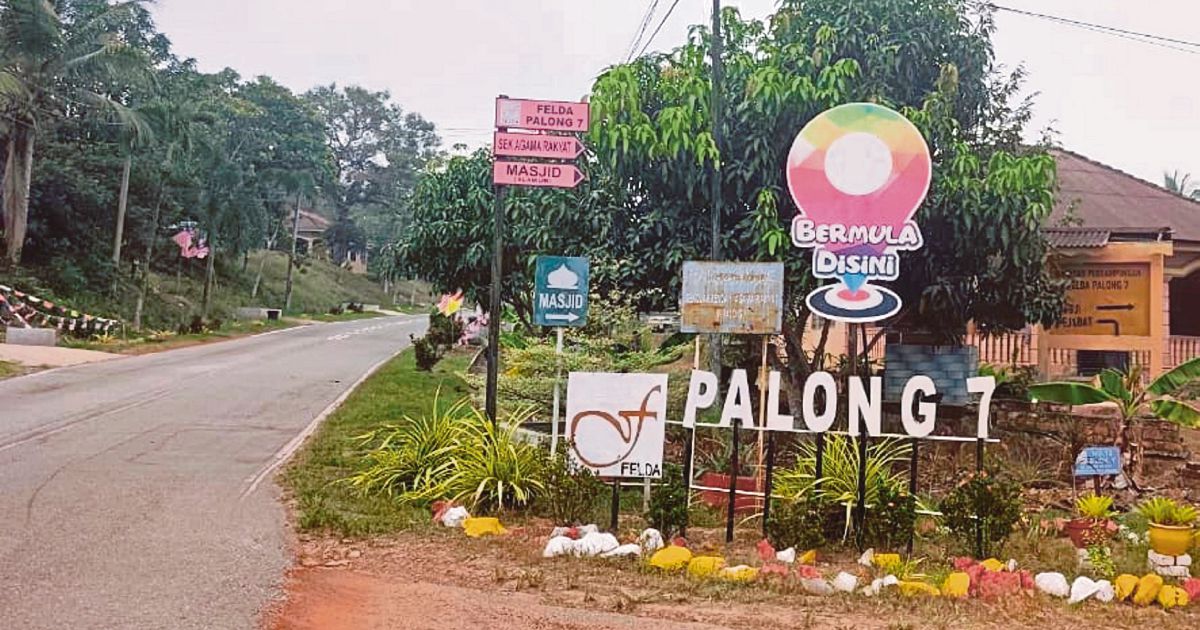
The Malaysian Anti-Corruption Commission has initiated a comprehensive review of at least five key documents connected to alleged irregularities within a large-scale oil palm replanting initiative valued at approximately RM80 million. The problematic project is centred on Felda Palong 7, a federal land development settlement situated in Jempol, a district in Negri Sembilan.
This investigation comes at a time when state-owned Felda, already grappling with significant debt accumulation and operational challenges, faces heightened scrutiny over project management and financial accountability. The scrutiny represents a critical juncture for the organisation, whose governance standards have drawn increasing public attention in recent years. The scale of the alleged irregularities—involving a scheme spanning tens of millions of ringgit—underscores the potential impact on stakeholders ranging from smallholder farmers dependent on Felda schemes to broader national agricultural interests.
The replanting project itself represents a substantial capital commitment within Felda's broader diversification and productivity enhancement initiatives. Oil palm replanting programmes typically involve significant operational expenditure, including labour, materials, and equipment procurement, creating multiple touchpoints where financial protocols must be rigorously maintained. The alleged breaches suggest potential gaps in oversight mechanisms during project execution, tendering processes, or fund disbursement stages.
Felda, as the implementing organisation, operates under government mandate to deliver benefits to its settlers—predominantly small-scale farmers who depend on collective schemes for income generation. Any irregularities within major projects directly compromise the agricultural livelihoods of these communities and the productivity of their collective landholdings. This dimension makes the investigation particularly significant for rural development policy across Malaysia.
The MACC's document review methodology typically involves cross-referencing procurement records, project authorisation paperwork, financial transactions, and contractual agreements to establish potential points of deviation from established procedures. By examining multiple documents simultaneously, investigators can reconstruct transaction sequences and identify suspicious patterns or unexplained expenditures. The selection of five specific documents suggests investigators have already narrowed their focus to particular areas of concern.
Such investigations also reflect broader governance challenges within state-linked enterprises. Felda, like several comparable organisations, operates at the intersection of commercial objectives and social mandates, sometimes creating tension between profit maximisation and developmental responsibilities. This structural complexity can inadvertently create opportunities for irregularities if oversight frameworks are not sufficiently robust or if accountability lines remain unclear.
The Jempol location is noteworthy as Negri Sembilan represents one of Malaysia's significant agricultural zones, where Felda settlements form substantial economic anchors within rural communities. Any disruption to project delivery or misallocation of resources ripples through local economies dependent on stable agricultural income. Neighbouring states and federal authorities monitor Felda's performance closely given its demonstration effect on other agricultural schemes nationally.
Regional implications also merit consideration. Southeast Asian governments increasingly emphasise agricultural sector transparency and sustainable resource management as development priorities. Malaysia's willingness to investigate potential irregularities at major schemes sends important signals about commitment to governance standards within the agricultural sector, potentially influencing regional perceptions regarding institutional accountability.
The investigation's progression will likely hinge on whether the document review establishes prima facie evidence warranting formal inquiries or enforcement action. MACC typically escalates findings through legal channels once documentary analysis yields sufficient indicators of wrongdoing. Given the substantial sums involved, any substantiated irregularities could trigger cascading reviews of related Felda projects, potentially broadening the investigation's scope considerably.
Stakeholders including Felda settlers, project contractors, government agencies overseeing land development programmes, and the broader agricultural sector are monitoring developments closely. The investigation's outcome carries implications for project delivery confidence, future funding commitments to similar initiatives, and refinement of governance protocols across state-linked agricultural enterprises. Transparent handling of the matter will be crucial for maintaining public confidence in institutional credibility.
For Malaysian policymakers and administrators, this investigation serves as a crucial reminder that effective project management and rigorous financial oversight within large-scale developmental schemes are non-negotiable. The RM80 million commitment could yield substantial productivity gains or represent substantial public resources inefficiently deployed, depending on project implementation quality. Resolving allegations promptly and comprehensively will enable authorities to either vindicate existing procedures or implement necessary reforms safeguarding future project integrity.
The review also highlights MACC's expanding role in scrutinising developmental initiatives beyond traditional corruption frameworks, examining structural inefficiencies and procedural lapses that may constitute financial irregularities even absent deliberate criminal intent. This broader investigative approach increasingly characterises sophisticated anti-corruption work in modern governance contexts.

