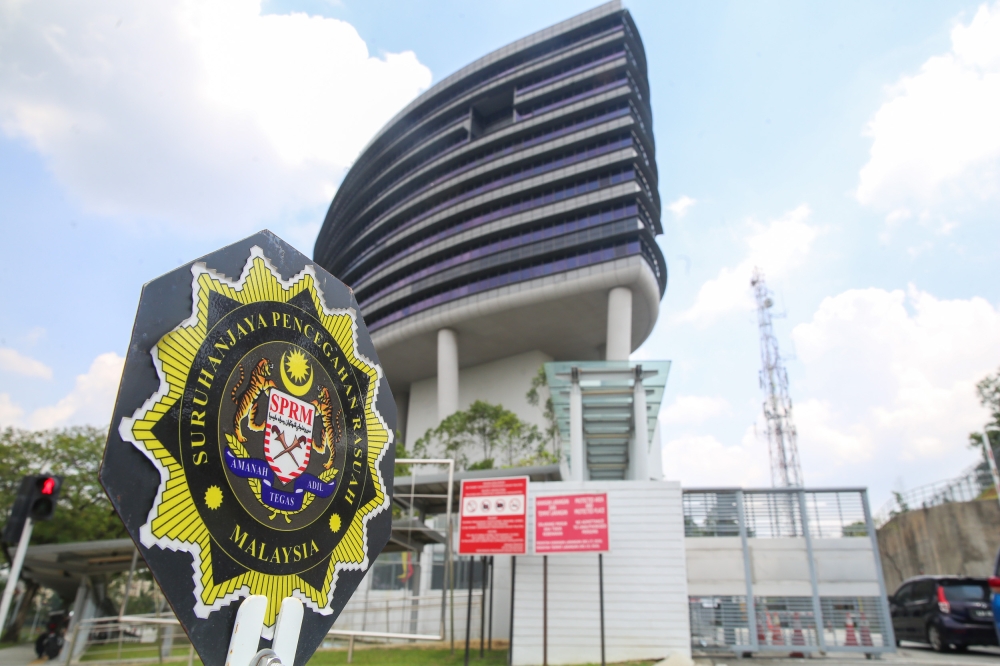
The Malaysian Anti-Corruption Commission has launched a coordinated push with top-tier civil servants to establish comprehensive safeguards for those who report corruption within government ministries, signalling a strategic pivot toward institutional accountability mechanisms that could reshape how Malaysia performs in global anti-corruption benchmarks.
During engagements with secretaries-general from various ministries, MACC executives emphasised that effective whistleblower protection systems serve as foundational infrastructure for detecting and prosecuting graft. The commission's outreach reflects growing recognition within Malaysia's anti-corruption establishment that external indices like the Corruption Perceptions Index, compiled annually by Transparency International, increasingly influence foreign investment decisions, trade partnerships, and diplomatic standing in the region.
Malaysia's position on the CPI has been an ongoing concern for policymakers. The country's ranking fluctuates based on perceptions of institutional integrity, enforcement rigour, and the perceived willingness of authorities to pursue high-level corruption cases transparently. By strengthening whistleblower channels and protections, MACC is attempting to create a measurable demonstration of commitment to anti-corruption governance—an element that rating agencies explicitly assess.
Whistleblower protections operate along multiple dimensions. First, they shield individuals from workplace retaliation, including dismissal, demotion, or harassment following disclosure of wrongdoing. Second, they establish clear reporting pathways, often including anonymous channels that reduce personal risk. Third, they guarantee confidentiality where appropriate, allowing sources to assist investigations without public exposure. Fourth, they provide remedial mechanisms when retaliation does occur. Malaysia's existing whistleblower frameworks, primarily under the Whistleblower Protection Act 2010, establish baseline protections, but gaps remain in implementation across federal agencies.
For Southeast Asian observers, Malaysia's renewed focus on whistleblower infrastructure carries broader significance. Regional peers including Indonesia, Thailand, and the Philippines have similarly emphasised institutional anti-corruption mechanisms as pathways to improving their international reputations. Malaysia's initiative suggests that competitive positioning on global governance indices is driving domestic policy reform across the region, creating a ripple effect where international measurement standards influence internal institutional design.
The engagement with ministry secretaries-general underscores a critical challenge in anti-corruption work: frontline enforcement agencies like MACC cannot function effectively without receiving credible intelligence about misconduct. Whistleblowers—whether low-ranking civil servants witnessing procurement fraud, mid-level officers observing misappropriation, or senior officials discovering systemic schemes—constitute the primary source of actionable leads. Without robust protections, potential informants remain silent, and schemes persist undetected.
Implementation across Malaysia's federal bureaucracy presents practical hurdles. Ministry cultures vary significantly in their openness to accountability mechanisms. Some departments may view internal reporting systems as threats to institutional prestige or leadership authority. Training programmes are necessary to ensure that managers understand whistleblower protocols and their legal obligations. Standardised procedures across ministries could prevent inconsistent treatment and reduce opportunities for individuals to game or circumvent the system.
The CPI dimension adds urgency and measurable targets to what might otherwise remain an incremental administrative reform. Malaysia's standing on the index—currently positioned among mid-range performers in the Asia-Pacific region—faces scrutiny from investors, multilateral lenders, and regional development institutions. A meaningful improvement signals progress to these stakeholders. Conversely, stagnation or decline sends negative signals that can depress investor confidence and elevate borrowing costs for sovereign debt.
Transparency International's methodology incorporates assessments from multiple sources, including expert surveys and institutional evaluations from organisations like the World Bank and International Monetary Fund. No single policy change yields immediate ranking elevation; however, the cumulative effect of multiple credibility-building measures—strengthened whistleblower channels, successful prosecutions of high-profile cases, and demonstrated follow-through on institutional commitments—gradually shifts perceptions among raters.
For Malaysia's civil service, MACC's initiative implies evolving expectations around governance standards. Secretaries-general, as the administrative heads of their respective ministries, bear responsibility for translating anti-corruption directives into operational reality. This includes allocating budgets for training, designating dedicated personnel to manage whistleblower cases, establishing confidentiality protocols, and monitoring compliance. Resistance from entrenched interests or bureaucratic inertia could undermine implementation, necessitating continued pressure from MACC and political leadership.
The initiative also reflects a modernised understanding of anti-corruption strategy. Rather than relying exclusively on investigative prowess and prosecution, contemporary approaches recognise that systemic prevention—through transparent processes, distributed oversight, and accessible reporting mechanisms—reduces corruption incidence more cost-effectively than reactive enforcement. Whistleblower protections embed this preventive philosophy into everyday bureaucratic operations.
Looking forward, success will depend on whether ministry secretaries-general operationalise MACC's recommendations substantively or merely adopt superficial compliance postures. Regular audits, case outcome tracking, and feedback mechanisms from whistleblowers themselves can help distinguish genuine implementation from symbolic gestures. If Malaysia successfully institutionalises robust protections across federal agencies, the country's CPI ranking should reflect the improvement within 2-3 years, providing measurable validation of the reform effort's impact.

