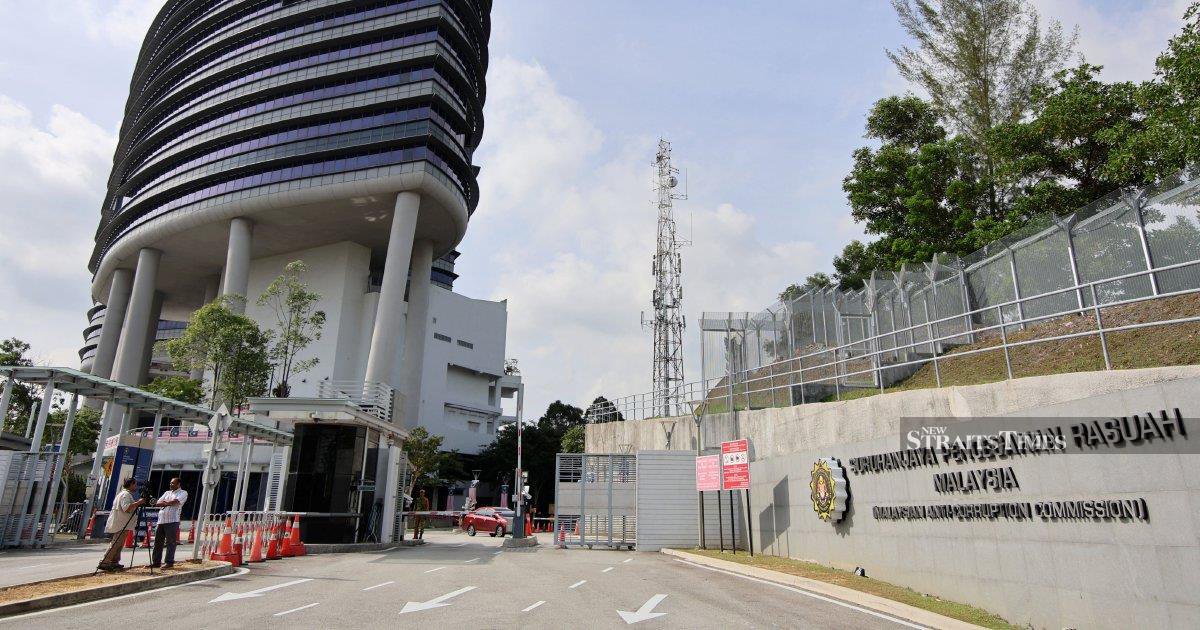
The Malaysian Anti-Corruption Commission has made a strategic appeal to senior government leadership, urging ministry secretaries-general and department directors-general to elevate whistleblower protection as a cornerstone governance priority. This initiative forms part of a broader push to enhance Malaysia's institutional standing on the international stage, specifically targeting an improved position on the Corruption Perceptions Index within the next decade.
Whistleblower protection mechanisms serve as a critical early-warning system within government and corporate hierarchies. When individuals feel sufficiently protected against retaliation—whether through termination, demotion, harassment, or legal jeopardy—they are substantially more likely to report suspected irregularities, financial misconduct, or policy violations before they metastasize into major scandals. The absence of credible safeguards creates a chilling effect that allows malfeasance to fester undetected, often multiplying in scale and sophistication.
The MACC's emphasis on this particular governance lever reflects a sophisticated understanding of how international corruption indices are constructed and weighted. The Corruption Perceptions Index, released annually by Transparency International, considers not merely the prevalence of corruption but also the institutional infrastructure that governments establish to detect, investigate, and prosecute it. A jurisdiction that systematically stifles internal reporting channels—whether through cultural pressure, legal vulnerability, or inadequate procedural protections—signals to international observers a lack of genuine commitment to accountability, even if headline statistics appear favourable.
For Malaysia, this messaging carries particular significance given the nation's complex political economy and the recent historical episodes that have tested public confidence in institutional integrity. Strengthening whistleblower protections represents a visible, measurable commitment that can be communicated to international rating agencies, investor communities, and citizens alike. It also pragmatically acknowledges that government servants and contractors, who occupy the frontlines of service delivery and procurement decisions, possess irreplaceable intelligence about irregularities that external auditors might never uncover.
The appeal to secretaries-general and directors-general signals a top-down approach, recognising that without commitment and resource allocation from these highest echelons of bureaucratic authority, individual departmental initiatives will remain fragmented and inadequately resourced. These officials control budget allocation, personnel policies, and the tone regarding compliance culture within their respective fiefdoms. Their endorsement transforms whistleblower protection from a compliance checkbox into an embedded value.
Effective whistleblower frameworks typically incorporate multiple overlapping protections: confidentiality provisions that shield identity even from colleagues and supervisors, legal prohibitions on retaliatory action with meaningful penalties for violators, independent investigation mechanisms that reduce perception of internal capture, and—critically—whistleblower access to specialised legal counsel and psychological support. Without such comprehensive architecture, nominal protections become hollow, and potential reporters rationally calculate that disclosure carries unacceptable personal risk.
The Southeast Asian context amplifies the relevance of this MACC initiative. Across the region, governance indices reveal persistent vulnerabilities in institutional accountability, with many nations struggling to maintain public confidence amid development-stage challenges. Malaysia's efforts to distinguish itself through robust accountability infrastructure carry not only domestic implications but regional demonstration effects, potentially influencing peer governments and setting competitive standards for institutional integrity.
The timeline stipulation—improvement by 2030—suggests the MACC understands that index-climbing requires sustained, multi-year institutional change rather than cosmetic reform. It takes considerable time to embed new cultural norms, train personnel, establish track records of successful whistleblower protections that generate confidence, and accumulate the documentary evidence that international assessors rely upon. This realistic timeframe demonstrates institutional maturity regarding the complexity of governance transformation.
Furthermore, stronger whistleblower protections generate spillover benefits beyond corruption reduction metrics. They enhance data quality available to management, improve organisational learning about systemic vulnerabilities, and strengthen staff morale by signalling that leadership genuinely values integrity. Public sector organisations that cultivate psychological safety around reporting tend to experience higher staff engagement and more robust operational performance across multiple dimensions.
The economic implications deserve emphasis as well. International investors increasingly incorporate governance quality assessments into capital allocation decisions. Nations perceived as having weak institutional safeguards against corruption face higher cost of capital, reduced foreign direct investment flows, and diminished access to sovereign financing on favourable terms. Malaysia's effort to enhance its CPI positioning therefore carries tangible implications for economic growth trajectory and competitiveness within Southeast Asia's increasingly integrated investment landscape.
The MACC's call will ultimately succeed only if it translates into concrete policy implementation: dedicated funding streams for protection mechanisms, staff training in confidential reporting protocols, independent oversight bodies empowered to investigate retaliation claims, and parliamentary consideration of legislative enhancements. The coming months will reveal whether this appeal generates genuine institutional mobilisation or remains declaratory rhetoric without teeth.

