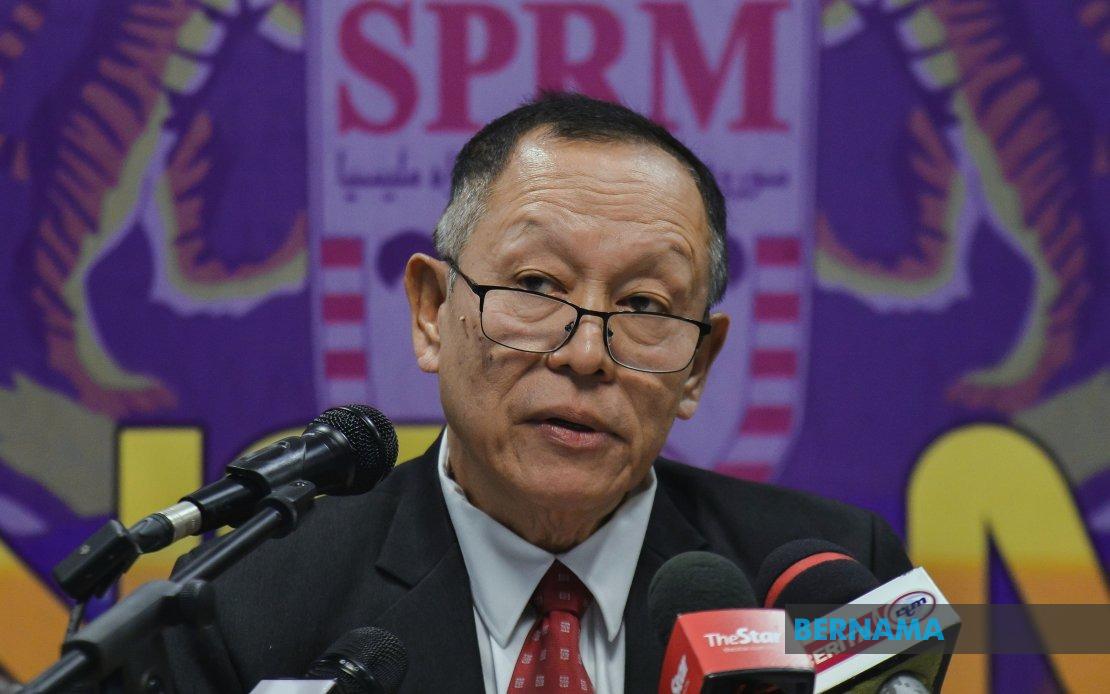
Malaysia's anti-corruption authorities are investigating three separate reports of alleged graft linked to the 16th Johor state election, marking a significant focus on electoral integrity as the state prepares for polling day this Saturday. The Malaysian Anti-Corruption Commission disclosed the allegations during a press briefing at its headquarters in Putrajaya, underscoring the watchdog's commitment to scrutinising the campaign process across all political actors without favour or exemption.
According to MACC chief commissioner Datuk Seri Abd Halim Aman, one of the three complaints originated from the official Election Campaign Enforcement Team (PP-KPR) operating in Batu Pahat, while the remaining two came through public channels from ordinary citizens. The commission has initiated formal assessment and investigation procedures for each report in line with applicable legislation, though Aman refrained from divulging specific details about the nature or scale of the allegations except to confirm that at least one centres on a candidate standing in the election.
The disclosure regarding a candidate's involvement carries particular weight in Malaysian electoral politics, where public perception of fair play remains central to democratic legitimacy. Election-related corruption allegations, whether substantiated or not, can rapidly influence voter confidence and shape the narrative around a campaign. The MACC's willingness to name this detail publicly signals an intention to manage expectations and demonstrate that no participant enjoys protection from scrutiny, an important message when electoral conduct remains a sensitive touchstone in Malaysian public discourse.
To enhance accessibility and encourage reporting, the MACC has deployed dedicated election operations rooms across five locations in Johor: Johor Bahru, Segamat, Kluang, Batu Pahat and Mersing. These centres serve as centralised points where members of the public can lodge complaints about suspected abuse of authority or corrupt practices throughout the campaign period and on polling day itself. The geographic distribution reflects the commission's intent to minimise barriers to reporting in a state where logistics and travel considerations can otherwise discourage formal complaints from citizens in outlying areas.
Abd Halim's framing of the issue emphasised that the MACC applies identical standards of accountability across the political spectrum. He stated unequivocally that corruption remains corruption regardless of the party affiliation, status or motivation of those implicated, whether candidates, campaign supporters, voters or party officials. This rhetoric serves multiple purposes: it reassures the public that investigations will proceed impartially, while simultaneously warning all stakeholders that participation in the election does not confer immunity from legal consequences for misconduct.
The emphasis on clean elections as a foundation for democratic health reflects international best practice in anti-corruption messaging. According to the MACC's statement, integrity in electoral processes extends beyond the mechanical act of voting to reinforce public trust in state institutions more broadly. This framing acknowledges that when voters suspect systematic corruption or bias in how campaigns operate, confidence in representative government itself erodes, with consequences that ripple through civic participation and institutional legitimacy for years afterward.
The timing of these disclosures, just days before voting commences, places pressure on the MACC to complete preliminary investigations with sufficient speed and transparency to preserve public confidence while maintaining the confidentiality appropriate to active inquiries. The commission has requested that all candidates, political parties, their supporters and voters adhere strictly to electoral law throughout the campaign and on polling day, signalling that enforcement will intensify as the election concludes.
Approximately 2.7 million registered voters are eligible to participate in Saturday's poll to elect 56 state assembly representatives across Johor. The scale of the electorate and the diversity of constituencies involved mean that election administration challenges and compliance risks span multiple jurisdictions and voting centres, compounding the MACC's monitoring burden. Against this backdrop, the three corruption complaints under investigation represent a fraction of potential issues, yet their prominence in official discourse suggests that authorities regard electoral conduct as sufficiently concerning to warrant public acknowledgment.
For Malaysian and Southeast Asian observers, the Johor election carries broader significance beyond the state's domestic politics. Johor remains economically and strategically important to the region, and any perception that electoral processes are compromised can influence investor confidence and regional stability assessments. The MACC's proactive communication about its investigative posture aims partly to demonstrate to international audiences that Malaysia's democratic institutions retain sufficient autonomy and commitment to anticorruption principles to manage electoral challenges credibly.
The investigation outcomes, once concluded, will likely shape political discourse around campaign conduct standards in Malaysia. Should the allegations prove substantiated, they may prompt calls for tighter regulations or stricter oversight mechanisms in future elections. Conversely, if investigations conclude that reports lacked foundation, the commission's handling of the cases will test its credibility in distinguishing genuine concerns from baseless accusations—a critical capacity for an institution whose legitimacy depends on public perception of fairness and competence.

