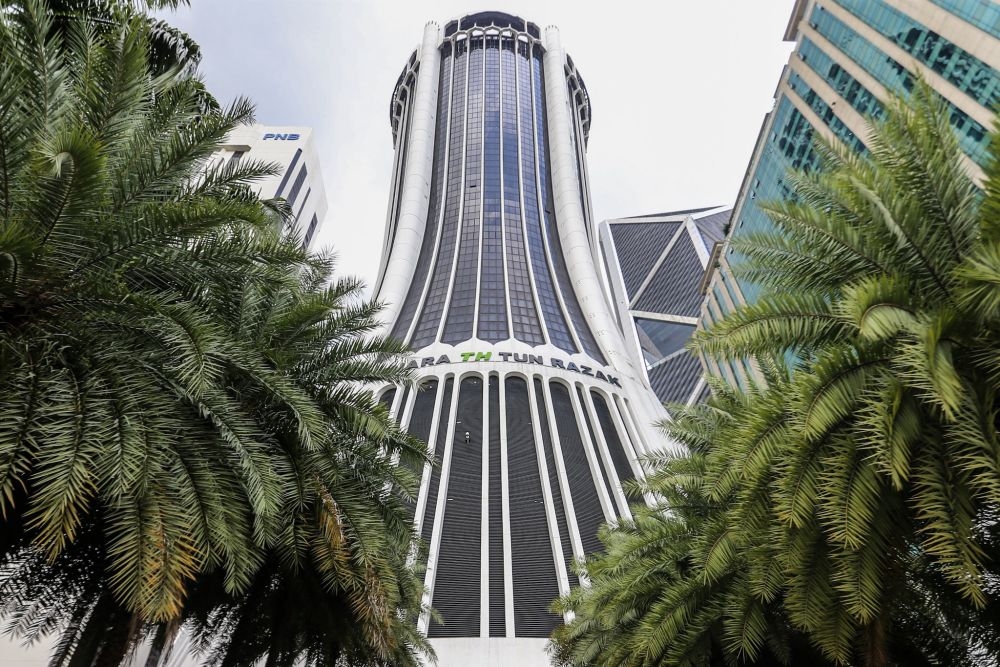
Three major enforcement agencies in Malaysia have begun coordinated investigations into alleged mismanagement and irregularities at Tabung Haji, the national pilgrimage savings fund, following the release of a Royal Commission of Inquiry report that exposed significant governance failures. The Malaysian Anti-Corruption Commission, Royal Malaysia Police, and Inland Revenue Board have each initiated separate but complementary probes to examine potential criminal conduct and fiscal impropriety at the institution, marking a substantial escalation in official scrutiny of the fund's operations.
The Royal Commission of Inquiry's findings formed the basis for this enforcement action, presenting a comprehensive account of how institutional safeguards at Tabung Haji were compromised and oversight mechanisms failed to prevent problematic transactions. The report documented patterns of decision-making that prioritised certain investments over prudent financial stewardship, exposing gaps in board accountability and executive oversight. These findings have now triggered the machinery of Malaysia's law enforcement apparatus to determine whether specific individuals bear criminal responsibility for losses incurred by the fund and its millions of contributor-members, predominantly Muslim Malaysians saving for pilgrimage to Mecca.
The multi-agency approach reflects the complexity and seriousness with which authorities now regard the Tabung Haji matter. The MACC's involvement indicates potential breaches of anti-corruption statutes and fiduciary duties, while police criminal investigations suggest possible charges under general penal code provisions covering fraud, misappropriation, or abuse of authority. The IRB's participation points toward questions about tax compliance and the proper treatment of fund transactions from a fiscal perspective, adding another dimension to the overall investigation.
For ordinary Malaysians, particularly the estimated millions who have contributed savings into Tabung Haji over decades, the escalated official investigation carries significant implications. These individuals entrusted the institution with their financial resources specifically designated for Islamic pilgrimage, one of the Five Pillars of Islam. Any wrongdoing that diminished fund value or compromised investment returns represents not merely a financial betrayal but a breach of religious and communal confidence. The investigation's outcome will determine whether affected contributors receive compensation or remedial action.
The Tabung Haji situation also reflects broader concerns about governance standards in Malaysia's government-linked institutions. The fund, established in 1963, occupies a unique position as a religiously-motivated savings vehicle managing billions of ringgit. Its troubles suggest that even specialized institutions with seemingly straightforward mandates can fall victim to lapses in corporate governance, inadequate board independence, and insufficient internal controls. Regulators nationwide will likely scrutinise similar organisations for comparable vulnerabilities.
Beyond domestic implications, the investigation outcome carries diplomatic dimensions. Tabung Haji's governance failures and potential criminal accountability touch upon questions of how Malaysia safeguards religious trust and manages public resources in the Islamic context. The probe's transparency and the enforcement response will signal to Muslim-majority populations and the international community how seriously Malaysian institutions take accountability for breaches of sacred trust combined with financial mismanagement.
The coordination between three separate agencies suggests that Malaysian authorities recognize the investigation's scale and the need to avoid duplicative effort while ensuring comprehensive coverage of potential criminal conduct. Such inter-agency collaboration remains relatively uncommon in Malaysia's law enforcement sphere, indicating extraordinary priority attached to this matter. Whether this coordination extends to eventual prosecution strategy remains to be seen, but the infrastructure for robust legal action is being established.
Previous instances of high-profile investigations into Malaysian institutions have sometimes progressed slowly or faced procedural complications. The Tabung Haji inquiry's early-stage intensity and multi-agency mobilisation suggest determination to avoid such delays, though authorities have not publicly specified timelines for completing investigative phases or filing charges. The political attention this matter has attracted at senior levels likely ensures sustained momentum.
For Southeast Asian observers and policymakers, the Tabung Haji investigation offers instructive lessons about institutional resilience and governance risk. Other nations in the region managing large-scale savings schemes, investment funds, or religiously-affiliated financial institutions may draw comparative insights from how Malaysia's failures developed and how enforcement authorities responded. Regional cooperation on financial crime investigations could potentially benefit from experiences derived from this high-visibility case.
The investigation also occurs against Malaysia's broader efforts to rehabilitate its international reputation regarding corruption and financial governance. Resolving the Tabung Haji matter conclusively, holding responsible parties accountable, and implementing remedial measures would contribute meaningfully to demonstrating institutional capacity for self-correction and enforcement of accountability standards. Conversely, protracted or inconclusive proceedings would undermine such messaging.
As investigations proceed, stakeholders will watch whether the agencies establish clear causal links between specific decisions and documented financial losses, identify individual culpability beyond institutional failures, and determine appropriate legal remedies. The investigation's scope encompasses not only potential criminal wrongdoing but broader questions about whether governance reforms can restore institutional credibility and prevent recurrence of similar breakdowns in Malaysia's public sector institutions.

