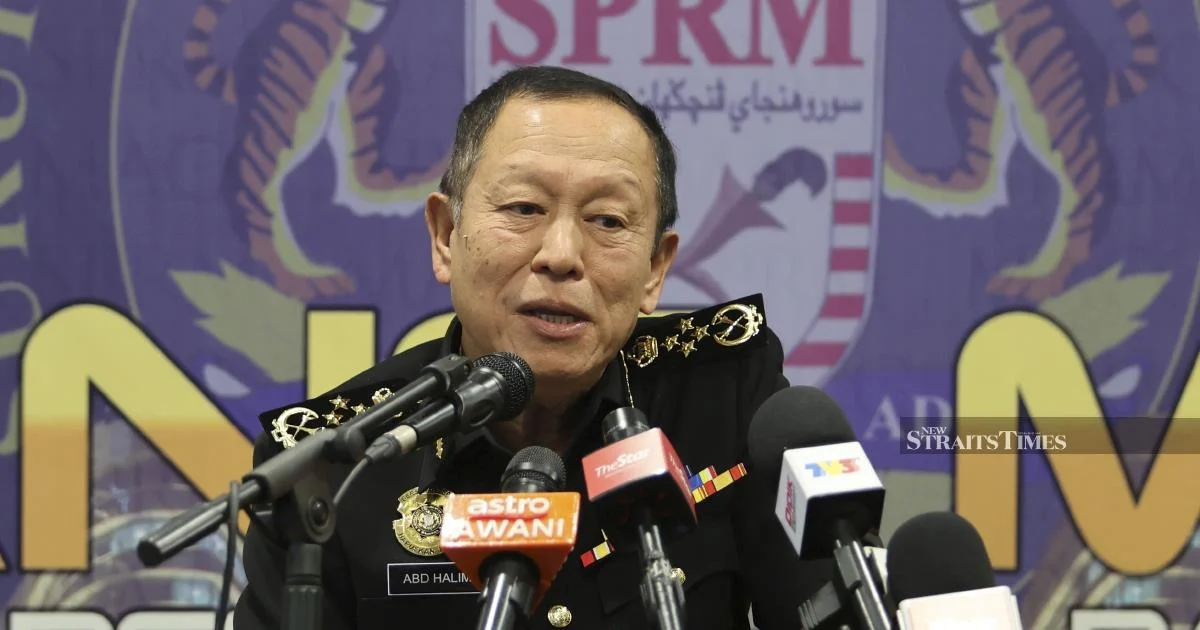
The Malaysian Anti-Corruption Commission has moved to clarify the status of its high-profile investigation into Low Taek Jho, the fugitive businessman at the centre of the 1Malaysia Development Berhad scandal, reaffirming that the probe remains operationally active and has never been formally suspended. The MACC's assertion comes as a reminder that despite the passage of years and the movement of the case through various legal jurisdictions, Malaysian authorities have maintained their commitment to pursuing accountability in one of the nation's most significant corruption cases.
The fugitive businessman's disappearance and his role in the alleged misappropriation of state development fund assets have rendered the investigation uniquely challenging for authorities seeking to build prosecutable cases. Jho Low's status as a wanted individual abroad, combined with the transnational complexity of the financial transactions involved, has transformed what might ordinarily be a domestic corruption inquiry into a sophisticated international investigation requiring coordination across multiple regulatory bodies and foreign governments.
The MACC's clarification carries particular significance given the persistent public curiosity about the trajectory of the investigation over subsequent years. While criminal proceedings and civil recovery efforts have yielded tangible results—including the conviction of former Prime Minister Najib Razak and the recovery of substantial assets—questions have lingered regarding whether the hunt for Jho Low himself had lost momentum or been deprioritised. The commission's explicit denial that the investigation has closed suggests an intention to maintain pressure on the fugitive and his networks.
For Malaysian observers tracking the broader 1MDB matter, the confirmation that investigative work continues underscores the distinction between criminal convictions already secured and the pursuit of the individual who many view as having orchestrated the scheme. Jho Low has long maintained his innocence, and his continued absence from Malaysian jurisdiction means that despite the evidence gathered by authorities, obtaining his presence for trial remains a prerequisite for direct prosecution on many charges.
The investigation into Jho Low's activities extends beyond Malaysia's borders, implicating complex international financial arrangements and requiring engagement with foreign authorities who may hold jurisdiction over portions of the case. This multinational dimension explains both why the MACC must clarify that its work continues and why the practical challenges of bringing the businessman to account remain formidable. Countries across multiple continents have been implicated in the financial movements associated with the funds in question.
The timing of the MACC's statement likely reflects ongoing public discussion about the 1MDB scandal's resolution and whether all responsible parties face consequences proportionate to their actions. While the conviction of Najib Razak—the political figure at the apex of the enterprise—represents a watershed moment in Malaysian anti-corruption efforts, the case arguably remains incomplete from the perspective of those seeking comprehensive accountability. The presence of Jho Low as a fugitive creates a symbolic and practical gap in the narrative of justice.
Malaysian readers should understand that investigations of this magnitude and complexity do not operate on compressed timelines. International cooperation in asset recovery, the gathering of evidence across jurisdictions, and the maintenance of investigative momentum across years of legal proceedings demand sustained institutional commitment. The MACC's reaffirmation serves partly as an internal institutional statement and partly as a signal to interested stakeholders that the matter has not been forgotten or abandoned despite competing demands on the commission's resources.
For Southeast Asian observers more broadly, the Jho Low case represents a cautionary tale about the governance risks posed by inadequately supervised sovereign wealth vehicles and the capacity of well-positioned individuals to leverage financial opacity to their advantage. The transnational dimensions of the scandal have prompted discussions across the region about financial regulatory harmonisation and the mechanisms through which nations might assist one another in pursuing complex corruption investigations that cross borders.
The practical implications of maintaining an open investigation into Jho Low extend to asset recovery efforts. Should new evidence emerge regarding concealed assets or previously undiscovered financial trails, an active investigative framework positions Malaysian authorities to act swiftly rather than face the procedural hurdles of reopening a formally closed case. This operational posture therefore serves both symbolic and substantive purposes in the commission's broader mandate.
Going forward, the success of sustained investigative efforts against the fugitive businessman will depend not only on Malaysian authorities' commitment but also on the willingness of foreign jurisdictions to cooperate and the continued international isolation of Jho Low's network. Each country that declines to provide him sanctuary or that freezes assets linked to his operations effectively constrains his options and reinforces the costs of his fugitive status. The MACC's statement should therefore be understood as part of a larger, ongoing effort to ensure that Malaysian institutions maintain pressure through whatever mechanisms remain available to them.

