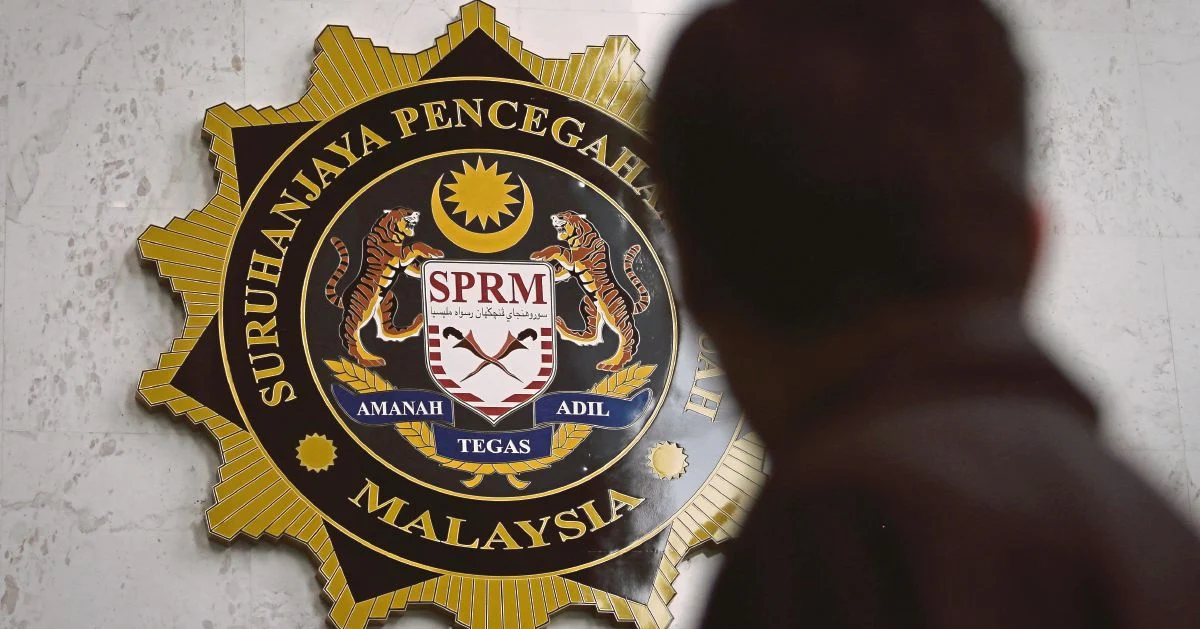
The Malaysian Anti-Corruption Commission has reversed course on a financial freeze it had imposed on the banking facilities of HG Power Transmission Sdn Bhd, an operating unit owned by infrastructure firm Rohas Tecnic Bhd. The decision to lift the seizure orders represents a significant development in what had been an active investigation, marking a turning point for the subsidiary and its associated personnel following months of account restrictions.
The lifted restrictions had previously been enforced through legal provisions contained within the Anti-Money Laundering, Anti-Terrorism Financing and Proceeds of Unlawful Activities Act 2001, commonly referred to as AMLA. Under Section 50(1) of this legislation, Malaysian authorities possess broad powers to freeze financial assets during investigations involving suspected illicit fund flows, terrorism financing, or proceeds derived from criminal enterprises. The MACC's invocation of these powers had effectively halted transaction capabilities across the targeted accounts.
The revocation now extends to all banking accounts previously subject to the freeze order, encompassing not only the subsidiary's corporate accounts but also personal accounts held by company officers who had been implicated in the investigation. This simultaneous lifting suggests the commission has concluded its enquiries into the relevant individuals and entities, or determined that the grounds for continued asset restraint no longer apply under prevailing legal standards.
For Malaysian businesses operating in the infrastructure and energy transmission sectors, MACC enforcement actions carry significant operational and reputational weight. The reversal of these orders removes a critical impediment to HG Power Transmission's cash flow management and day-to-day commercial operations. Companies caught in similar situations face severe constraints on payroll processing, vendor payments, and project financing—all of which compound during extended investigation periods.
Rohas Tecnic's standing within Malaysia's power infrastructure ecosystem makes this development noteworthy for industry stakeholders and investors. The company has established itself as a provider of technological solutions for electrical transmission systems, and account seizures carry implications extending beyond immediate financial restrictions to broader questions about corporate governance and regulatory standing. The MACC's decision to restore banking access implicitly signals reduced concerns about the entity's financial conduct or involvement in schemes that would justify continued asset restraint.
The AMLA framework itself reflects Malaysia's commitment to international standards on combating financial crimes, a cornerstone of regulatory policy alongside commitments to the Financial Action Task Force and bilateral cooperation arrangements. MACC's exercise of these powers is typically measured and deliberate, reflecting the gravity of allegations that would ordinarily trigger such intervention. Conversely, the decision to revoke suggests either insufficient evidence materialized to support continued proceedings, or alternative resolution pathways have been identified.
Within the broader Malaysian corporate environment, this action carries implications for how enforcement agencies approach financial investigations involving established firms. The reversal may provide confidence to other businesses that regulatory scrutiny, while thorough, operates within defined procedural boundaries and recognizes distinctions between preliminary suspicion and substantiated wrongdoing. Conversely, it underscores that initial seizure orders, however restrictive, remain subject to reassessment as investigations progress.
The timing and scope of the MACC's revocation warrant attention from governance observers monitoring anti-corruption enforcement trends. Lifting restrictions across multiple account holders simultaneously suggests a comprehensive closure of enquiries into the targeted individuals rather than selective clearing of particular persons. Such blanket restorations typically indicate investigators have either cleared all parties or determined that continued restraint lacks legal justification under applicable standards.
For stakeholders in Malaysia's infrastructure sector, including contractors, suppliers, and financiers dealing with Rohas Tecnic, the restoration of normal banking operations removes uncertainty about the company's continued viability and creditworthiness. Extended asset freezes risk cascading defaults and contractual disruptions that extend far beyond the immediate target of investigation, affecting multiple supply chains and project timelines across the energy transmission industry.
The revocation also reflects the evolving nature of MACC investigations, which increasingly balance the need for aggressive financial investigation with proportionality concerns and due process protections. Malaysian authorities have faced international scrutiny regarding investigative practices, making transparent and substantiated enforcement decisions increasingly important for institutional credibility. The willingness to reverse seizure orders demonstrates operational responsiveness to changing factual circumstances.
Moving forward, the restoration of banking access enables HG Power Transmission to normalize operations and resume full commercial participation in Malaysia's infrastructure sector. The company's officers likewise regain financial autonomy previously constrained by the seizure orders. However, the investigation's outcome—whether formal charges, settlements, or case closures—remains to be clarified through subsequent official communications from MACC channels.

