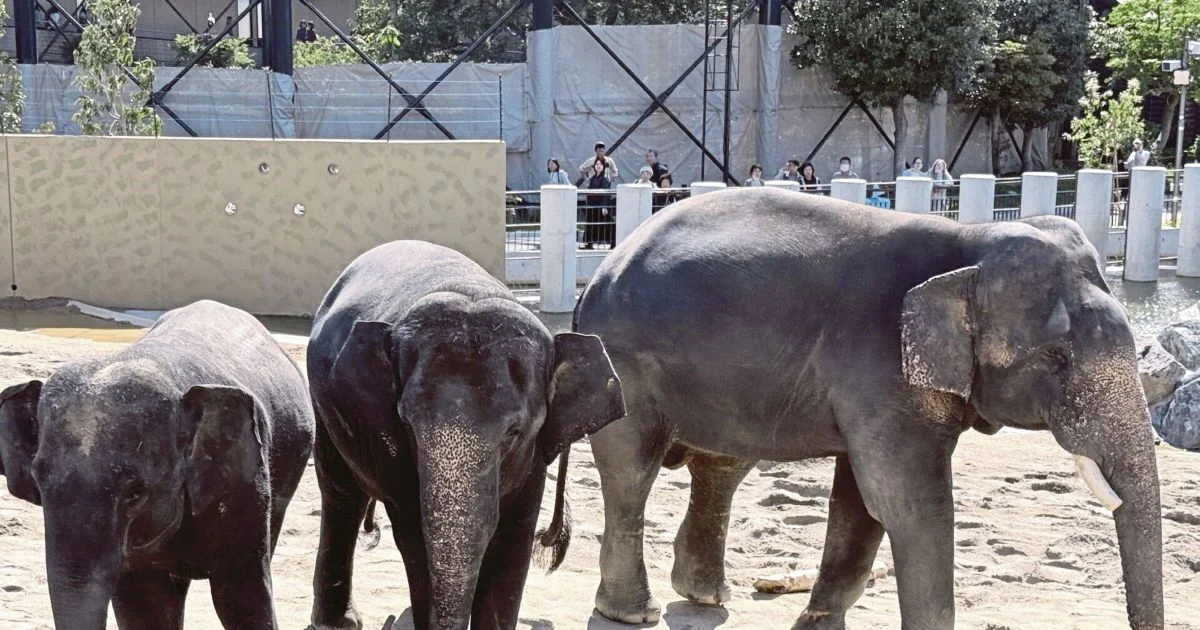
Malaysia's corruption watchdog has initiated a formal probe into the relocation of three Asian elephants from Zoo Taiping in Perak state to Tennoji Zoo in Osaka, Japan, signalling official scrutiny of a transaction that has drawn public attention and raised questions about international wildlife arrangements involving Malaysia's zoological institutions.
The Malaysian Anti-Corruption Commission's involvement suggests authorities are examining whether proper procedures were followed in approving and executing the elephant transfer, and whether all relevant stakeholders and oversight bodies were appropriately consulted. Such investigations typically focus on whether competitive bidding processes were observed, whether the transaction provided value for the Malaysian institution, and whether any officials or intermediaries may have benefited improperly from facilitating the arrangement.
Zoo Taiping, located in Perak's state capital, is one of Malaysia's oldest and most established zoological facilities, having operated since 1963. The zoo maintains a significant collection of Asian mammals, including elephants that are iconic attractions for both domestic and international visitors. The relocation of three animals represents a notable reduction in the zoo's elephant population and raises questions about the strategic decisions underpinning the move and the compensation mechanisms involved.
The transfer to Tennoji Zoo, a major zoological facility in Japan's Kansai region, represents an international arrangement that would typically require approvals from multiple government departments and agencies in Malaysia, including the Ministry of Natural Resources and Environmental Sustainability, state government authorities in Perak, and potentially federal wildlife management bodies. The complexity of such arrangements creates multiple points where governance standards must be maintained and documented.
Public interest in this matter reflects broader concerns about wildlife management in Southeast Asia, particularly regarding the movement of endangered or protected species across borders. Asian elephants enjoy protected status under various national and international conservation frameworks, and their relocation involves technical, welfare, and diplomatic considerations that extend beyond routine administrative procedures. The MACC's investigation will likely examine whether environmental impact assessments and animal welfare protocols were properly conducted before the animals were dispatched.
The involvement of a Japanese institution adds an international dimension to the inquiry. Malaysia's zoological exchanges are increasingly recognized as important conservation partnerships, but they must be structured transparently and in accordance with both Malaysian law and international agreements governing wildlife trade and movement. The investigation may examine whether documentation and approvals from Japanese authorities were properly obtained and whether the terms of any arrangement adequately protected Malaysia's interests and the animals' welfare.
For Malaysian readers, this investigation touches on questions about institutional governance at publicly-managed facilities and the oversight mechanisms designed to ensure that decisions affecting national assets are made through proper channels. Zoo Taiping operates as a state facility with significant heritage value, and its governance should reflect best practices in public administration and transparency. The MACC probe suggests these standards were questioned, warranting formal examination.
The timing and scale of the investigation reflects an institutional commitment to ensuring that arrangements involving valuable wildlife assets and international cooperation proceed according to established rules. Whether the transfer represented a sound management decision, a necessary conservation partnership, or an improper arrangement conducted outside proper channels will emerge as the investigation progresses. The outcome will likely influence how future international wildlife partnerships involving Malaysian institutions are structured and approved.
For Southeast Asian zoos and wildlife institutions more broadly, the investigation carries implications regarding standards for international animal transfers and the documentation required to substantiate such arrangements. As regional cooperation in conservation and wildlife management expands, establishing clear precedents about governance and accountability becomes increasingly important. Malaysia's approach to investigating the Zoo Taiping arrangement may influence how other countries in the region approach similar transactions.
The probe also highlights the role Malaysia's anti-corruption framework plays in scrutinizing transactions that extend beyond conventional financial dealings. Modern corruption concerns encompass arrangements involving public assets, international partnerships, and institutional decision-making in diverse sectors. The MACC's engagement demonstrates institutional willingness to examine governance questions wherever they arise, from standard procurement matters to specialized arrangements involving wildlife and international cooperation.
Stakeholders including Zoo Taiping management, state government officials, national wildlife authorities, and potentially private parties involved in arranging the transfer will likely be questioned as part of the investigation's standard procedures. The commission will be seeking to establish whether all relevant approvals were obtained, whether documentation was complete and accurate, and whether the arrangement's terms genuinely reflected the interests of the Malaysian parties involved.
The investigation's scope and duration will become clearer as the MACC conducts interviews and reviews documentation. The public interest in this matter suggests that authorities will be attentive to transparency, with results likely to be disclosed once the inquiry concludes. The findings will provide important lessons for how Malaysia's institutions manage international partnerships and exercise stewardship over valuable public assets.
%22%2F%3E%3C%2Fpattern%3E%3C%2Fdefs%3E%3Crect%20width%3D%22100%25%22%20height%3D%22100%25%22%20fill%3D%22url(%23phxerig)%22%2F%3E%3Crect%20width%3D%22100%25%22%20height%3D%22100%25%22%20fill%3D%22url(%23phxerip)%22%2F%3E%3Ctext%20x%3D%2250%25%22%20y%3D%2250%25%22%20text-anchor%3D%22middle%22%20dominant-baseline%3D%22central%22%20fill%3D%22rgba(255%2C255%2C255%2C0.95)%22%20font-family%3D%22Georgia%2C%20'Times%20New%20Roman'%2C%20serif%22%20font-weight%3D%22700%22%20font-size%3D%22320%22%20letter-spacing%3D%22-0.02em%22%3EPH%3C%2Ftext%3E%3C%2Fsvg%3E)
%22%2F%3E%3C%2Fpattern%3E%3C%2Fdefs%3E%3Crect%20width%3D%22100%25%22%20height%3D%22100%25%22%20fill%3D%22url(%23ph25k1hg)%22%2F%3E%3Crect%20width%3D%22100%25%22%20height%3D%22100%25%22%20fill%3D%22url(%23ph25k1hp)%22%2F%3E%3Ctext%20x%3D%2250%25%22%20y%3D%2250%25%22%20text-anchor%3D%22middle%22%20dominant-baseline%3D%22central%22%20fill%3D%22rgba(255%2C255%2C255%2C0.95)%22%20font-family%3D%22Georgia%2C%20'Times%20New%20Roman'%2C%20serif%22%20font-weight%3D%22700%22%20font-size%3D%22170%22%20letter-spacing%3D%22-0.02em%22%3EMovement%3C%2Ftext%3E%3C%2Fsvg%3E)
%22%2F%3E%3C%2Fpattern%3E%3C%2Fdefs%3E%3Crect%20width%3D%22100%25%22%20height%3D%22100%25%22%20fill%3D%22url(%23ph3bymhg)%22%2F%3E%3Crect%20width%3D%22100%25%22%20height%3D%22100%25%22%20fill%3D%22url(%23ph3bymhp)%22%2F%3E%3Ctext%20x%3D%2250%25%22%20y%3D%2250%25%22%20text-anchor%3D%22middle%22%20dominant-baseline%3D%22central%22%20fill%3D%22rgba(255%2C255%2C255%2C0.95)%22%20font-family%3D%22Georgia%2C%20'Times%20New%20Roman'%2C%20serif%22%20font-weight%3D%22700%22%20font-size%3D%22136%22%20letter-spacing%3D%22-0.02em%22%3ESolidarity%3C%2Ftext%3E%3C%2Fsvg%3E)