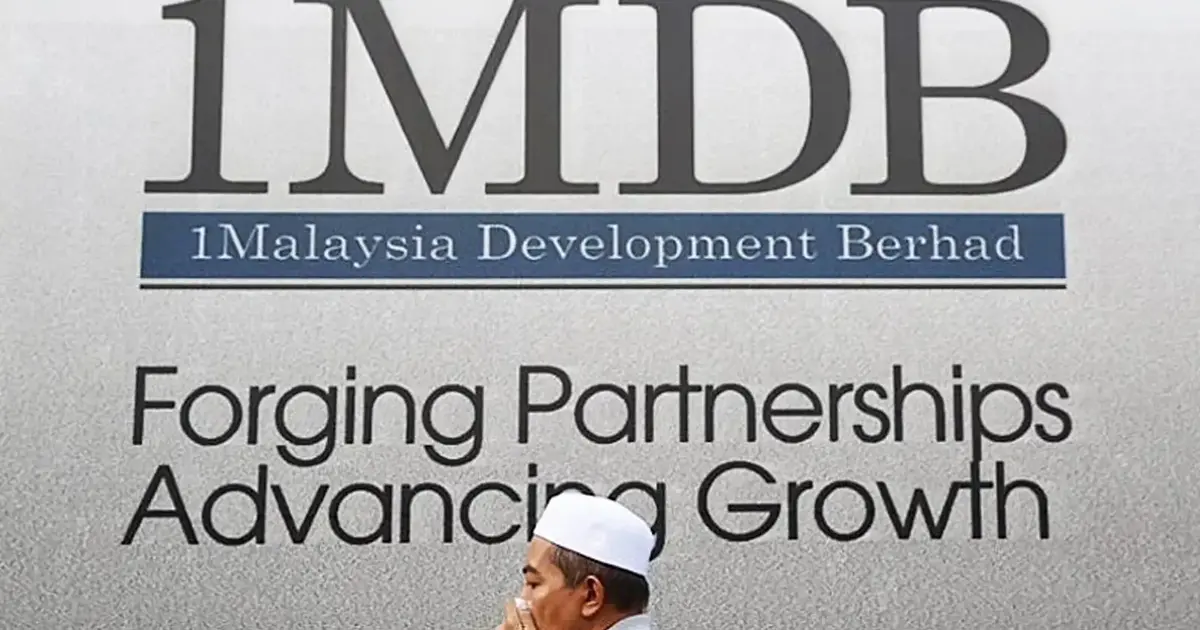
The Malaysian Anti-Corruption Commission has initiated a formal probe into an extensive portfolio of overseas properties estimated at RM59 million, which authorities believe may be connected to the sprawling 1MDB financial scandal that rocked the nation's governance landscape. According to MACC chief commissioner Abd Halim Aman, the investigation encompasses multiple potential offences including corruption, money laundering, and asset recovery mechanisms, reflecting the agency's determination to pursue remaining threads of the scandal that first emerged publicly in 2015.
The timing of this investigation underscores the persistent nature of 1MDB-related cases, which continue to generate new leads and allegations even years after initial prosecutions. The discovery and identification of these particular properties has prompted authorities to examine their ownership structures, source of funds, and any potential links to individuals previously implicated in the misappropriation of the sovereign wealth fund. The RM59 million valuation alone demonstrates the scale of assets that authorities believe may require recovery or clarification regarding their lawful origin.
Contextually, this development reflects broader anti-corruption efforts that have characterised Malaysia's approach to financial transparency since 2018. The 1MDB scandal fundamentally altered public discourse around government accountability and institutional oversight in Southeast Asia, with implications that extend far beyond Malaysia's borders. Neighbouring countries and international regulators watched closely as Malaysian institutions grappled with investigating and prosecuting cases involving billions of ringgit in misappropriated funds and complex international financial schemes.
The shift toward investigating overseas property holdings represents a critical evolution in asset-tracing methodology. Financial crime often leaves traces across multiple jurisdictions, with perpetrators deliberately fragmenting illicit wealth across different countries to obscure its origins and complicate recovery efforts. By focusing on foreign real estate, the MACC is targeting one of the most tangible and identifiable forms in which stolen funds frequently resurface, making these properties valuable investigative touchpoints.
For Malaysian readers, this investigation carries implications beyond the immediate question of asset recovery. The 1MDB saga damaged Malaysia's international reputation and contributed to stringent scrutiny from global financial regulators and international partners. Successful investigations and prosecutions serve not merely as justice mechanisms but as signals to the international community that Malaysia maintains institutional capacity and political will to address high-level corruption. The credibility of Malaysian institutions in financial oversight and anti-corruption efforts remains partially contingent on the thoroughness of ongoing investigations.
The specific identification of RM59 million in luxury properties also raises questions about the sophisticated networks through which illicit proceeds were moved and concealed. These networks typically involved multiple intermediaries, complex corporate structures, and international banking channels. Understanding how funds flowed from Malaysia to foreign real estate markets provides authorities with insights into the operational methods of the broader conspiracy, potentially revealing accomplices or facilitating institutions that may warrant further investigation or regulatory action.
From a Southeast Asian perspective, Malaysia's continued focus on 1MDB investigations demonstrates how financial crimes originating within a single country can implicate regional banking systems, property markets, and professional services sectors. The presence of Malaysian illicit funds in overseas properties highlights vulnerabilities in international anti-money laundering frameworks and the sometimes inadequate due diligence practices of foreign real estate markets. These findings have prompted discussions within regional regulators about harmonising standards for beneficial ownership disclosure and cross-border financial transparency.
The investigation by Abd Halim Aman's MACC also reflects institutional learning and resource allocation choices made by the anti-corruption agency. Pursuing complex asset recovery cases involving international property holdings demands sophisticated forensic accounting, legal expertise across multiple jurisdictions, and cooperation with foreign authorities. That the MACC has prioritised this investigation suggests confidence in its capacity to manage such complexity and commitment to exhausting remaining investigative avenues before other statute-of-limitations concerns potentially arise.
The property-focused inquiry also presents practical challenges regarding identification and recovery. Unlike liquid assets or even financial instruments, real estate requires navigation of foreign property law, local regulatory frameworks, and potentially uncooperative local authorities or courts. Establishing clear proof of illicit origin becomes complicated when properties have passed through multiple nominal owners or been encumbered with legitimate-appearing mortgages or commercial arrangements that mask their actual provenance. These investigations therefore demand sustained effort and coordination across borders, reflecting the resource-intensive nature of modern anti-corruption work.
Moving forward, the outcomes of this investigation will likely influence how Malaysian authorities approach remaining suspected illicit holdings abroad and inform discussions about international asset recovery treaties. Successfully tracing and recovering properties linked to 1MDB would vindicate the institutional approach Malaysia has adopted since 2018, while simultaneously establishing precedent for future financial crime investigations. The investigation thus represents more than a technical exercise in financial forensics; it serves as a barometer for Malaysia's evolving commitment to institutional accountability and international cooperation in combating sophisticated financial crime that increasingly characterises corruption schemes among developing and middle-income economies across Southeast Asia.

