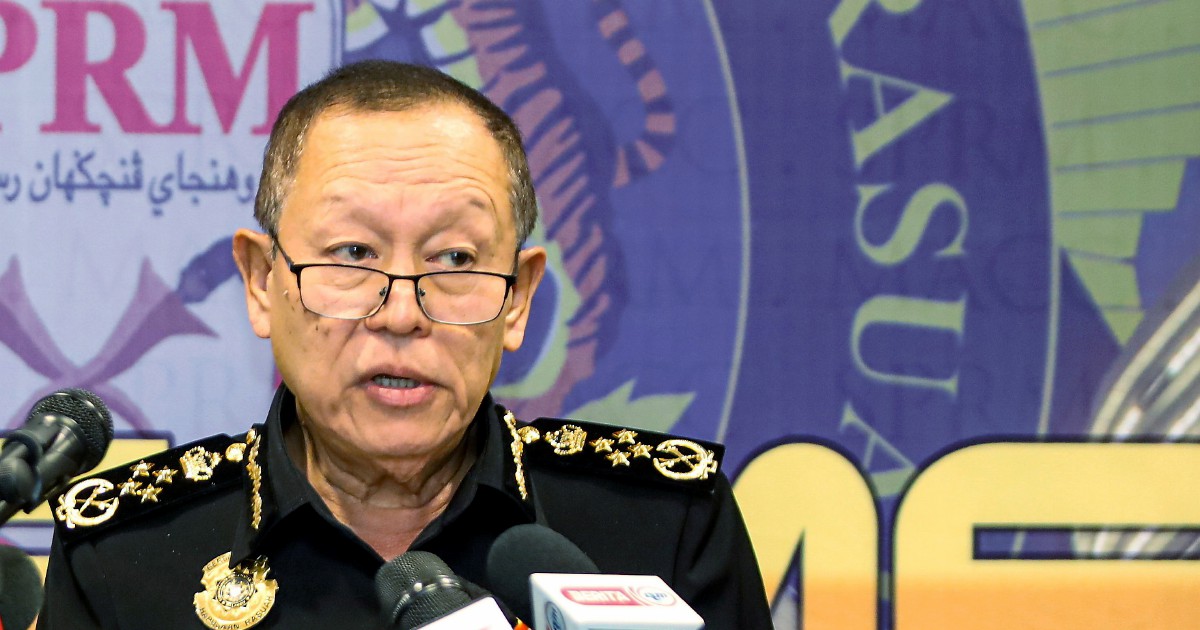
Authorities have formally commenced a corruption inquiry targeting what officials describe as suspected irregularities tied to a substantial RM80 million agricultural rejuvenation scheme at Felda Palong 7, situated within Wilayah Raja Alias in Negeri Sembilan. The Malaysian Anti-Corruption Commission's decision to initiate formal investigative procedures represents another chapter in ongoing governance concerns affecting federal land development enterprises, which have periodically attracted regulatory attention across Southeast Asia's agricultural sector.
The Felda Development Authority, which oversees federal agricultural settlement schemes across Malaysia, operates hundreds of schemes nationwide affecting tens of thousands of settler families and their livelihoods. These enterprises represent substantial public investment mechanisms designed to generate agricultural production while furnishing economic opportunities for rural participants. The Palong 7 undertaking, positioned within one of Malaysia's established plantation regions, carries particular significance given the concentration of Federal Land Development Authority operations throughout Negeri Sembilan's agricultural heartland.
Replanting initiatives constitute a critical operational facet for Felda schemes, as palm trees and rubber plants require periodic rejuvenation to maintain productivity and commercial viability. Such projects typically encompass clearance of ageing vegetation, soil remediation, replanting with improved cultivars, and modernisation of associated infrastructure. The RM80 million scope positions this undertaking among the organisation's more substantial capital commitments, suggesting comprehensive replanting coverage across multiple estate sections.
The emergence of suspected discrepancies warrants examination of how project funds traverse procurement pathways, contractor selection procedures, and implementation supervision mechanisms. Irregularities in agricultural development schemes frequently involve procurement anomalies, misallocation of materials, or divergence between budgeted and actual expenditures. Given Malaysia's historical focus on strengthening financial governance in government-linked entities, the MACC's involvement underscores renewed commitment to transparency across federally-managed agricultural operations.
Felda's operational environment encompasses intricate stakeholder ecosystems comprising settler beneficiaries, contracted service providers, supply vendors, and government agencies. Complex procurement frameworks can occasionally create conditions where inadequate oversight allows irregularities to accumulate before detection. The commission's investigative entry point remains unspecified in formal statements, though such probes typically originate from whistleblower disclosures, internal audits, or third-party reporting mechanisms.
The timing of this investigation reflects broader regional patterns wherein agricultural development authorities face intensified scrutiny. Across Southeast Asia, governments have increasingly prioritised accountability frameworks governing large-scale agricultural projects, particularly those involving substantial public resource allocation. Malaysia's experience aligns with comparable initiatives across Indonesia, Thailand, and Vietnam, where plantation-related enterprises have similarly attracted regulatory examination.
For Felda settlers and their communities, investigation outcomes carry direct implications. Project delays resulting from inquiry procedures could affect scheduled replanting timelines, potentially impacting future harvests and household income streams. Conversely, thoroughgoing investigation may ultimately strengthen scheme management by identifying systemic vulnerabilities requiring remedial action. Settler representatives and agricultural advocacy groups will likely monitor investigative progression closely, given the direct correlation between scheme efficiency and economic returns flowing to participant families.
The MACC's investigative capacity has expanded substantially over recent years, equipped with enhanced forensic capabilities and cross-agency coordination mechanisms. Formal investigation initiation signals that preliminary evidence sufficiently substantiates irregular conduct concerns, warranting comprehensive examination through established inquiry protocols. Such investigations typically require months of documentary analysis, witness interviews, and financial reconstruction before formal conclusions emerge.
Government-linked entities overseeing agricultural enterprises maintain heightened vulnerability to misconduct allegations given the scale of capital allocation and complexity of operational environments. Strengthened governance frameworks across such organisations have become policy priorities, reflecting recognition that transparent, accountable management directly enhances economic outcomes and public confidence. Agricultural development schemes fundamentally depend on settler confidence in institutional integrity; investigations demonstrating proactive misconduct prevention mechanisms thus serve broader stabilisation objectives.
The Negeri Sembilan region's agricultural economy, centred substantially on Felda operations, exhibits considerable sensitivity to scheme performance variations. Thousands of settler families derive primary income from scheme participation, creating substantial community reliance on operational efficiency. Investigation results may carry ripple effects across local commerce, supplier networks, and ancillary service providers dependent on scheme expenditure.
Preliminary investigative stages will likely examine project documentation, tender processes, contractor performance records, and fund disbursement mechanisms. Forensic examination typically reconstructs transaction sequences to identify divergence between approved plans and actual implementation. Should irregularities be substantiated, potential consequences could encompass disciplinary action against implicated officials, fund recovery procedures, or operational restructuring.
The investigation's eventual conclusions will contribute valuable intelligence regarding governance vulnerabilities within similar federal development enterprises. Findings may inform policy adjustments affecting procurement procedures, oversight mechanisms, or accountability standards across the broader Felda institutional framework. Beyond immediate institutional implications, the inquiry demonstrates regulatory determination to maintain fiduciary standards governing substantial public resource commitments in Malaysia's agricultural sector.

