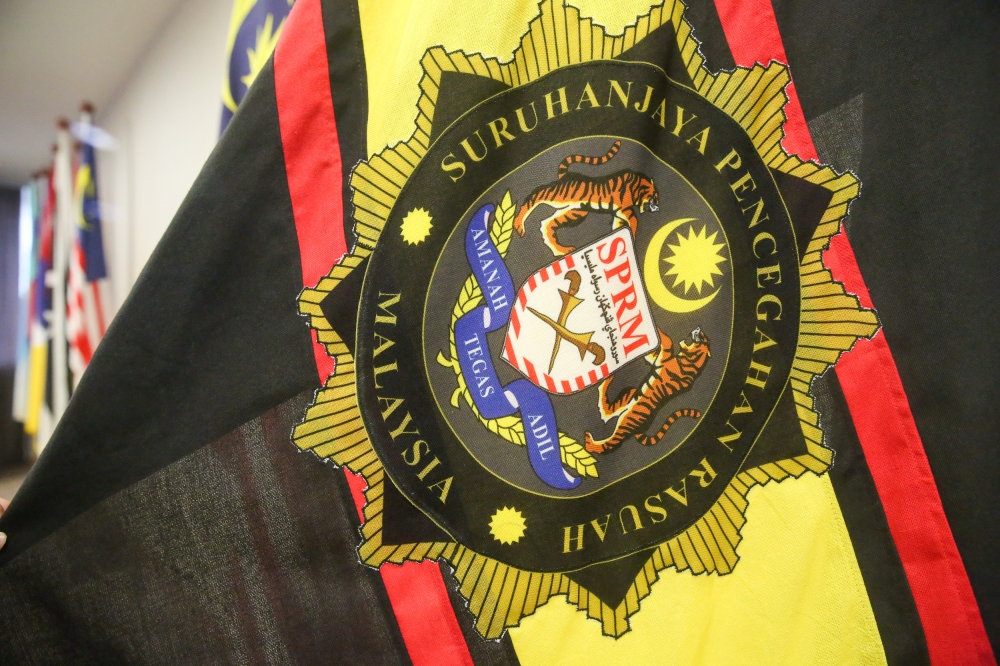
The Malaysian Anti-Corruption Commission (MACC) has arrested a former estate manager from a Klang Valley-based rubber sapling supplier as part of an expanding investigation into an RM8 million transaction that surfaced during the Tabung Haji Royal Commission of Inquiry. The detention, announced in Putrajaya on August 4, represents a significant development in the ongoing scrutiny of financial irregularities affecting the pilgrimage fund, one of Malaysia's largest Islamic financial institutions.
The case centres on a questionable supply contract valued at RM8 million, which the Tabung Haji RCI identified as potentially problematic during its comprehensive examination of the organization's operations. The inquiry, established to investigate governance failures and financial management issues at Tabung Haji, uncovered numerous transactions requiring further investigation by law enforcement. This particular supply arrangement has become a focal point for the MACC, which has now moved from the preliminary inquiry stage to active detention and questioning of individuals connected to the transaction.
Tabung Haji, formally known as Lembaga Tabung Haji, manages savings and investment accounts for Malaysian Muslims preparing for the Hajj pilgrimage to Mecca. As a pillar of Islamic finance in Malaysia with assets exceeding RM70 billion and millions of account holders, any irregularities in its operations carry significant implications not only for individual savers but also for confidence in Islamic financial institutions across Southeast Asia. The Royal Commission's findings have already prompted senior management changes and internal restructuring at the organization.
The detention of the estate manager signals that investigators believe the supply company may have been used as a vehicle for irregular transactions. Rubber saplings, as agricultural commodities, represent a tangible product that can be supplied legitimately, yet the RM8 million valuation suggests either exceptionally large quantities or significant price inflation compared to market rates. The MACC's interest in the individual's role as estate manager indicates suspicion that procurement processes may have been compromised or that the supplier inflated invoices beyond actual delivery values.
Investigations of this nature typically examine whether funds from Tabung Haji were diverted through inflated supply contracts, a common technique in institutional fraud schemes. The involvement of a Klang Valley-based company places the transaction within Malaysia's industrial heartland, where rubber and palm oil processing remains economically significant despite the sector's declining share of the national economy. The geographic location may also indicate whether the supplier had legitimate operations or existed primarily as a paper entity to facilitate the transfer of funds.
The Tabung Haji RCI, chaired by former judge Tan Sri Mohd Haniff Khatri Abdull, spent months examining the institution's affairs following mounting evidence of mismanagement under previous leadership. The commission's mandate expanded to encompass not merely governance failures but potential criminal conduct, necessitating referral of suspected offences to law enforcement agencies. The RCI's identification of this specific transaction suggests it was among dozens of questionable dealings requiring further scrutiny by the MACC and other authorities.
For Malaysian savers holding accounts at Tabung Haji, the ongoing investigation reinforces concerns about the security and proper management of accumulated funds. Many account holders are lower-income and middle-income Malaysians for whom these savings represent their primary financial reserve for fulfilling one of Islam's five pillars. The revelation that institutional irregularities may have eroded the value of their investments has prompted calls for comprehensive asset recovery efforts and stronger governance frameworks.
The MACC's expansion of its investigation from this single transaction to include the detention of key individuals suggests authorities expect additional disclosures during questioning. Former or current business associates, financial intermediaries, and officials at Tabung Haji who approved or facilitated the supply contract may face separate inquiries. Investigators typically use detention periods to cross-reference financial records, banking transactions, and communications to establish the full scope of any conspiracy or fraud.
Regionally, Malaysia's handling of the Tabung Haji scandal carries implications for investor confidence in Islamic finance across Southeast Asia, where Malaysia positions itself as a leading Islamic financial hub. Corruption and governance failures at flagship institutions can undermine the credibility of Islamic finance more broadly, potentially affecting fundraising and international participation in Malaysian Islamic financial markets. Transparency in investigating and prosecuting wrongdoing thus serves the broader strategic interest of protecting the sector's reputation.
The investigation also highlights systemic weaknesses in procurement oversight at large government-linked institutions. Supply chain governance, competitive bidding processes, and segregation of duties in approval hierarchies represent critical control mechanisms that, when circumvented, create vulnerabilities to fraud. Future regulatory reforms at Tabung Haji and similar organizations will likely emphasize strengthened internal audit functions and external monitoring to prevent similar irregularities.

