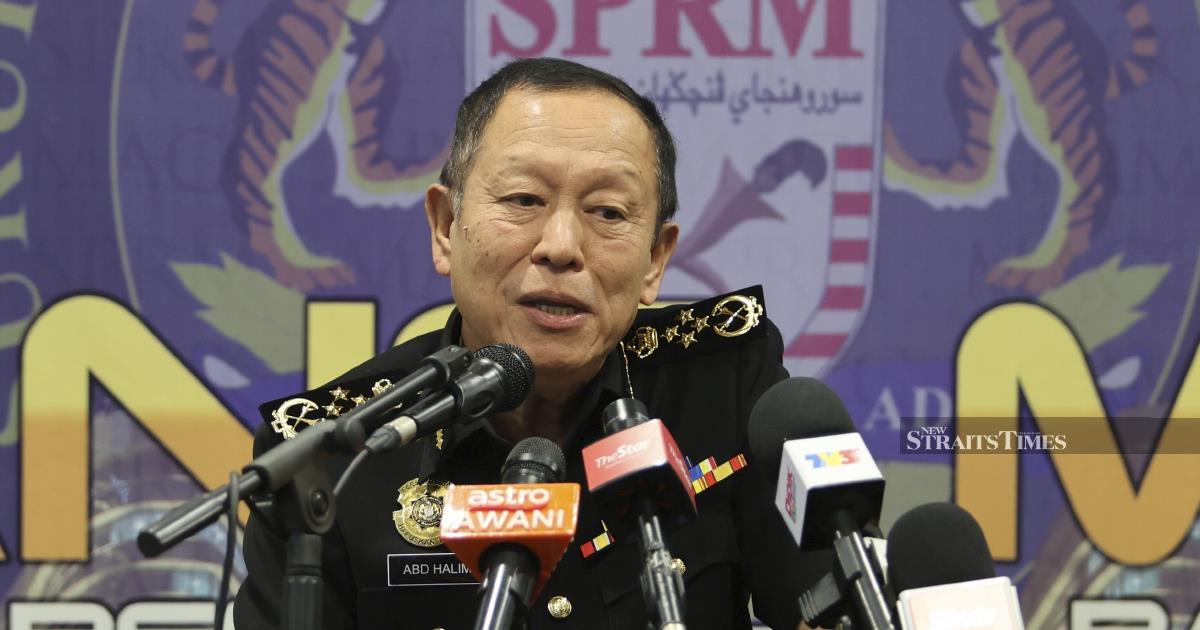
The Malaysian Anti-Corruption Commission (MACC) has deepened its investigation into a substantial investment decision involving the country's pension system, interviewing 10 high-ranking witnesses from both the Retirement Fund (Incorporated) (KWAP) and the Finance Ministry. The probe centres on KWAP's RM200 million allocation to eFishery, an Indonesian company specialising in aquaculture technology, raising questions about due diligence and investment governance at a critical institution managing retirement savings for Malaysian public sector workers.
The scope of witness interviews signals that MACC investigators are methodically building a comprehensive picture of the decision-making process that led to this substantial cross-border investment. By securing statements from senior leadership across both KWAP and its government overseer, authorities are examining whether proper protocols were followed at each stage of the investment approval chain. The involvement of multiple ministry officials suggests the probe extends beyond KWAP's internal operations to include whether Finance Ministry oversight mechanisms functioned adequately.
KWAP, which manages retirement benefits for Malaysian civil servants and government-linked company employees, holds assets exceeding RM300 billion. Any investment decision of this magnitude carries significant implications not only for the fund's financial health but also for the retirement security of hundreds of thousands of contributors. The RM200 million exposure to eFishery represents a material commitment that would typically warrant exhaustive evaluation and transparent governance procedures.
EFishery operates in Indonesia's aquaculture sector, providing technology solutions for fish farming operations. While the aquaculture industry presents genuine growth opportunities given Southeast Asia's expanding demand for seafood, investment in emerging technology companies—particularly those based offshore—demands rigorous assessment of market conditions, management competency, regulatory environments, and exit strategies. The MACC's focus on this transaction suggests investigators are examining whether such diligence was genuinely comprehensive or whether procedural shortcuts were taken.
The investigation comes at a time when Malaysian institutional investors face increasing scrutiny over governance standards. Pension funds bear a fiduciary duty to their contributors and must demonstrate that investment decisions prioritise long-term value creation rather than other considerations. International investment best practices emphasise independent valuations, competitive bidding processes, and documented risk analysis—elements that MACC will likely examine through witness testimony.
Finance Ministry involvement in the investigation highlights concerns about whether government oversight of major fund operations was active and effective. The ministry exercises supervisory authority over KWAP and should maintain vigilance over significant capital deployment. Investigators will seek to understand whether ministry representatives raised concerns about the investment's scale, structure, or execution before approval was granted, and whether any warnings went unheeded.
The decision to interview 10 witnesses suggests MACC is pursuing multiple investigative angles rather than focusing narrowly on a single allegedly culpable individual. This approach typically indicates investigators are mapping decision flows, identifying approval points, examining communication records, and establishing whether individuals acted within their authority. The breadth of the witness pool also suggests that multiple people possessed relevant knowledge about key investment criteria, risk assessments, and approval documentation.
For Malaysian pension contributors—individuals who have spent decades building retirement entitlements through statutory deductions—this investigation carries personal significance. Fund performance directly determines their retirement income adequacy. Large investment losses or decisions made without proper oversight can materially erode the value that contributors have accumulated. Transparency about how institutions invest retirement savings therefore represents a public accountability issue that extends far beyond corporate governance theory.
The eFishery investment also intersects with broader questions about Malaysia's approach to technology sector investments and cross-border capital flows. Government-linked funds increasingly position themselves as engines for economic diversification and regional expansion. Yet these ambitions must be balanced against fiduciary obligations to protect contributors' interests. MACC's investigation will essentially test whether KWAP appropriately calibrated this balance when deciding to commit RM200 million to an Indonesian venture.
Indonesia's regulatory framework for aquaculture and technology companies differs from Malaysia's established norms, creating additional due diligence complexity. Foreign investment invariably introduces currency, political, and operational risks that require sophisticated assessment. Witness testimony will reveal whether KWAP's investment committee and advisers conducted country risk analysis, evaluated legal protections for minority investors, and stress-tested financial projections under adverse scenarios.
The investigation's ongoing status means questions about accountability remain unresolved. Whether eventual findings result in administrative action, disciplinary measures, or criminal referrals will significantly influence how Malaysian institutional investors approach future decision-making. An investigation that reveals systemic governance failures could prompt sector-wide reforms affecting board composition, investment committee structures, and approval authorities across pension and sovereign wealth vehicles.
As MACC continues gathering evidence, contributors to KWAP await clarity about how their retirement savings were deployed and whether institutional safeguards performed adequately. The investigation's outcome will likely influence public confidence in fund governance and may prompt broader conversations about oversight mechanisms protecting Malaysia's retirement security infrastructure.

